dailynewsnblog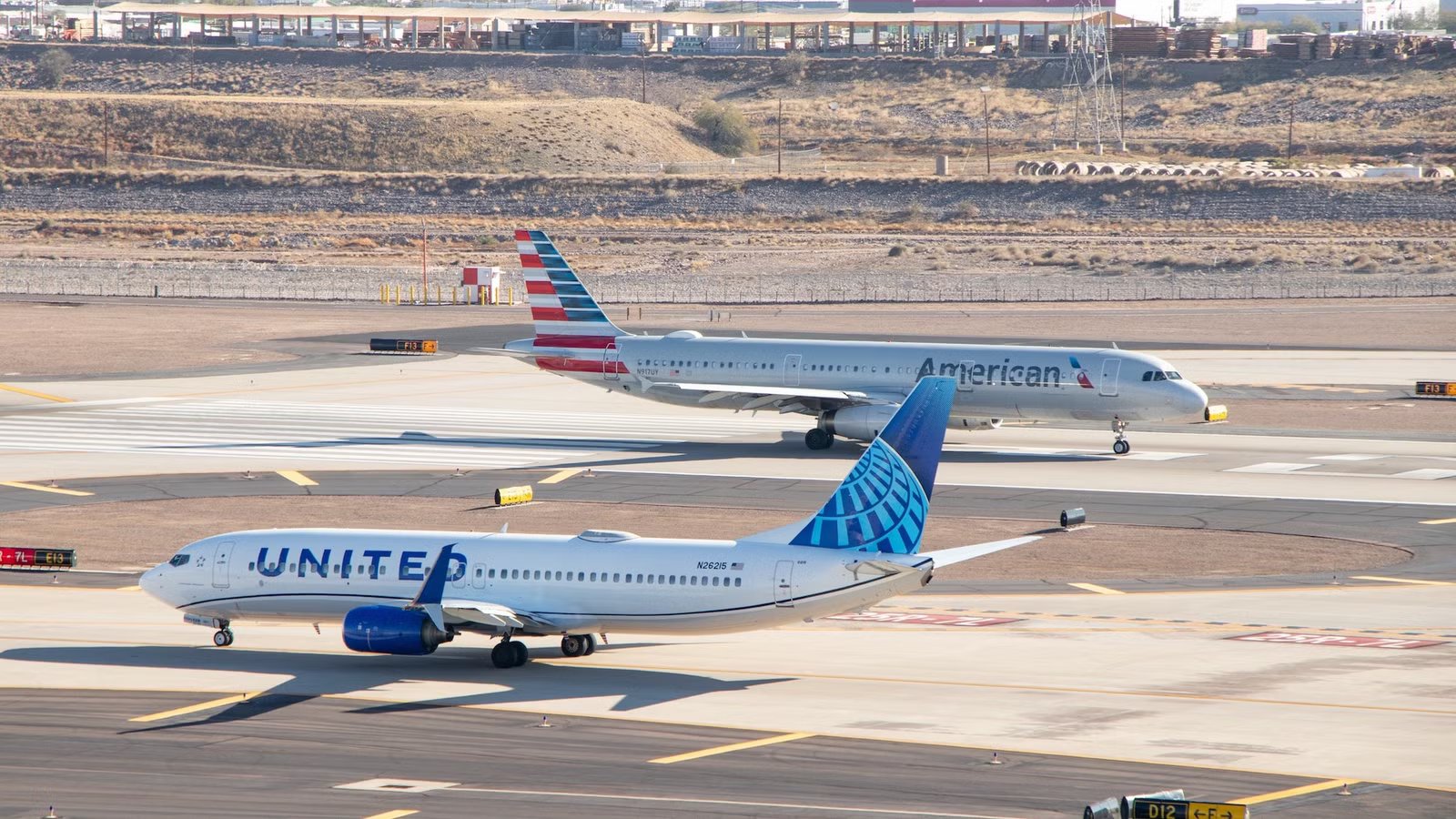
Rumors of a merger between United Airlines and  American Airlines have injected new kinds of drama into the United States airline industry after reports from CNBC (among other outlets) have said that United CEO Scott Kirby floated the idea to the Trump administration. A tie-up between two of the country’s largest carriers would create a giant airline and instantly reshape the competitive landscape.
Nonetheless, this is an extremely speculative story, with no confirmed merger talks and formidable antitrust barriers standing in the way of any merger. There is a key tension to this story. While Wall Street analysts may see strategic scale, synergies, and international reach, regulators, labor groups, competitors, and consumers directly see this merger proposal as a serious threat to competition, fares, route choice, and overall service quality.
What Barriers Stand In The Way Of This Merger?

A major merger between United and American would be a massive competitive threat, and few doubt that. It would bring together two of the largest U.S. network carriers into a single company with roughly 40% of domestic seat capacity and at least half of domestic capacity at 159 airports. This type of network concentration can significantly reduce head-to-head competition on overlapping routes, strengthen overall pricing power, limit consumer choice, and make it more challenging for smaller airlines to set fares.
It would also deepen dominance at key hubs and slot-constrained airports, where entry by rivals is already difficult. Regulators have become especially sensitive to these risks in aviation in recent years. The Department of Justice blocked JetBlue’s bid for Spirit Airlines and successfully challenged the American-JetBlue Northeast Alliance because reduced competition can significantly raise fares and limit options across the board.
Could This Kind Of Merger Ever Happen?

As most industry observers have been very quick to speculate, this kind of merger would almost certainly never be approved because it would run directly into the strongest antitrust objections in the history of modern aviation. A combined United-American would unite two of the nation’s largest network carriers, sharply increasing concentration across domestic markets and at major hub airports all across the country.
Regulators would likely argue that any deal of this kind would reduce direct competition on overlapping routes, increase pricing power, narrow consumer choice, and make it even harder for smaller airlines to challenge the combined carrier. The primary problem here would be especially severe at slot-constrained and fortress-hub facilities, where new entry is already very limited in nature. Recent legal precedent makes the obstacle even clearer.
Federal regulators have already moved aggressively against far smaller airline mergers and partnerships when they have appeared likely to weaken competition. Against that kind of backdrop, a merger between two members of the Big Four would be viewed not as marginal consolidation, but as a transformational deal with sweeping consequences for fares, service, labor, and market structure. However, it is unclear what the Trump Administration’s opinions are on the merger, and the Republican Party as a whole has been very quick to take an anti-regulation stance on many major consumer industries.

United Airlines Denies Rumors That It Wants To Merge With JetBlue
The carrier has set the record straight regarding rumors that it is considering acquiring JetBlue.
Why Is Wall Street Excited About This Merger Proposal?

Corporate airline executives, Wall Street analysts, and shareholders might be excited by this proposal because, on paper, it promises scale, pricing power, and a stronger global network. A combined United-American would create the world’s largest airline by capacity and more than $110 billion in annual revenue.
This would give management a far bigger platform to compete for corporate travel contracts, monetize its loyalty program, improve international connectivity, and increase its aircraft purchasing leverage. Investors also tend to like the prospect of cost synergies. Overlapping headquarters functions, procurement, technology, fleet planning, and airport operations could all be streamlined over time.
There is also a strategic appeal in folding a relatively weaker American into a stronger United-led operating model, especially because American has lagged key peers in the years following the pandemic, while United has been viewed as the sharper premium-network operator. Both American and United shares rose in Tuesday’s trading.