dailynewsnblog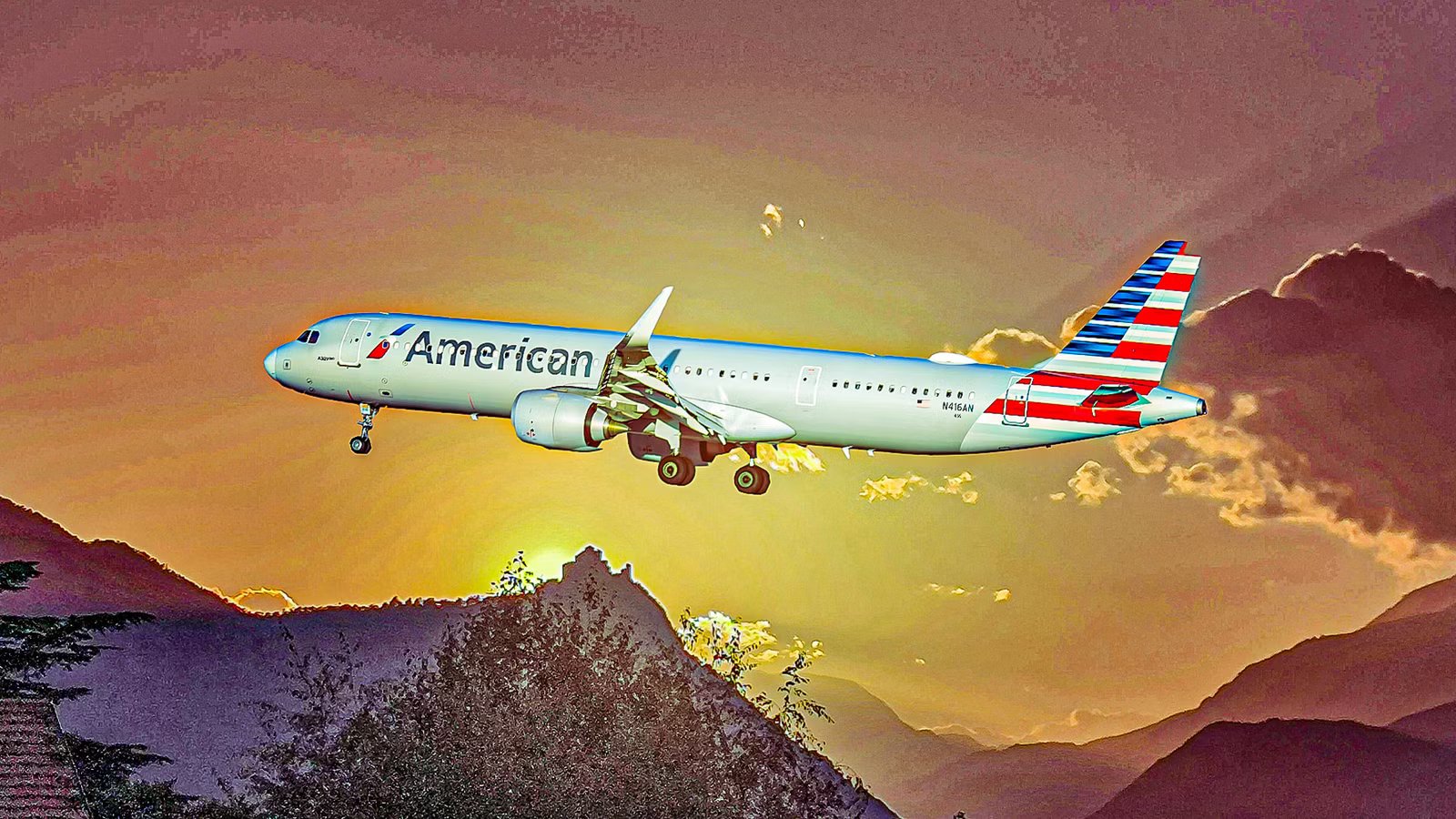
Passengers onboard an  American AirlinesAirbus A321 faced an unexpected delay after their flight from Phoenix to Miami was diverted on April 13 due to concerns over a potential onboard fire, as reported by News4Tucson. Operating as flight 1429, the aircraft was forced to land at Tucson International Airport shortly after departure. The diversion followed a reported issue with an onboard oven, prompting the crew to act out of caution. The aircraft ultimately landed safely, with no fire or injuries reported.
While the incident caused disruption for those onboard, it reflects standard aviation safety procedures in action. Even minor technical irregularities, especially those involving heat or electrical systems, are treated seriously by flight crews. For passengers, this serves as a reminder that diversions can occur even when risks are low. This event highlights the layered safety approach that defines modern airline operations.
Diversion Triggered By Galley Equipment Malfunction

American Airlines flight 1429 departed Phoenix as scheduled en route to Miami when crew members identified a malfunction involving an onboard oven. Although galley equipment is not critical to flight operations, any irregularity that could indicate heat or smoke is handled with urgency. The crew made the decision to divert to Tucson, the nearest suitable airport, to ensure the situation remained under control. The Airbus A321 landed without incident, and no signs of fire were detected.
The diversion ultimately resulted in a delay of approximately three and a half hours. While inconvenient, such delays are a direct consequence of prioritizing safety above all else. The aircraft was inspected on the ground before any further operational decisions were made.
According to the American Airlines statement,
“Shortly after departure, crew members reported an issue with an onboard oven. Out of an abundance of caution, the flight diverted to Tucson (TUS). The aircraft landed safely and without incident. We apologize to our customers for the inconvenience and thank our team members for their professionalism.”
Why Even Minor Issues Lead To Major Decisions

In commercial aviation, the possibility of fire, no matter how remote, is treated as a critical risk. Aircraft are equipped with advanced fire detection systems, but crew training emphasizes early intervention rather than waiting for confirmation. This means that even minor issues, such as an overheating oven or unusual odor, can result in a diversion. These decisions are made to eliminate uncertainty and ensure passenger safety at all times.
Galley systems, including ovens and coffee makers, are among the most common sources of noncritical technical issues on board. These components rely on electrical systems that can occasionally malfunction, triggering warnings or irregular behavior. Although such incidents rarely escalate, they can mimic the early stages of more serious problems. As a result, flight crews are trained to respond conservatively and decisively.
The Phoenix–Miami route is a long domestic sector typically operated by narrow-body aircraft such as the Airbus A321. On flights of this duration, onboard catering systems are frequently used. Airlines mitigate fire hazard through regular maintenance and strict operational checks. However, as this incident shows, unexpected faults can still arise despite these precautions.

Smoking Device Forces American Airlines Airbus A321 To Divert To Washington
The aircraft involved remained on the ground for just under a day after the incident.
Similar Incidents Highlight Industry-Wide Safety Approach

Issues involving onboard kitchen equipment have led to similar diversions in recent years. Flights operated by multiple airlines have reported smoke or burning smells traced to ovens, often resulting in precautionary landings, as happened last September on a  Delta Air Lines flight from Lagos to Atlanta, operated by an Airbus A330. According to The People, the burning smell was caused by food debris that obstructed certain oven components, leading to a fire and diverting the flight to the nearest airport in Ghana. Another incident last year led to an emergency landing of a domestic flight from Key West to Newark, operated by
  United Airlines on a Boeing 737, when the oven started emitting smoke, as reported by Reuters. In most cases, the root cause was minor, such as an electrical fault, an overheating component, or simply burned food. Nevertheless, the response remains consistent: land as soon as safely possible.
More broadly, fire-related risks, whether real or suspected, are among the most serious scenarios in aviation. Historical incidents involving onboard fires have shaped the strict safety protocols followed today. From improved detection systems to enhanced crew training, the industry has continuously evolved to minimize risk. Diversions like this one are a direct outcome of those lessons.
Although passengers experienced a delay, the outcome reinforces confidence in aviation’s safety-first philosophy. The aircraft landed safely, and travelers were able to continue their journey with minimal disruption beyond lost time. For frequent flyers, it is a reminder that even minor technical issues can lead to significant operational changes. But such decisions ensure that safety is never compromised.