dailynewsnblog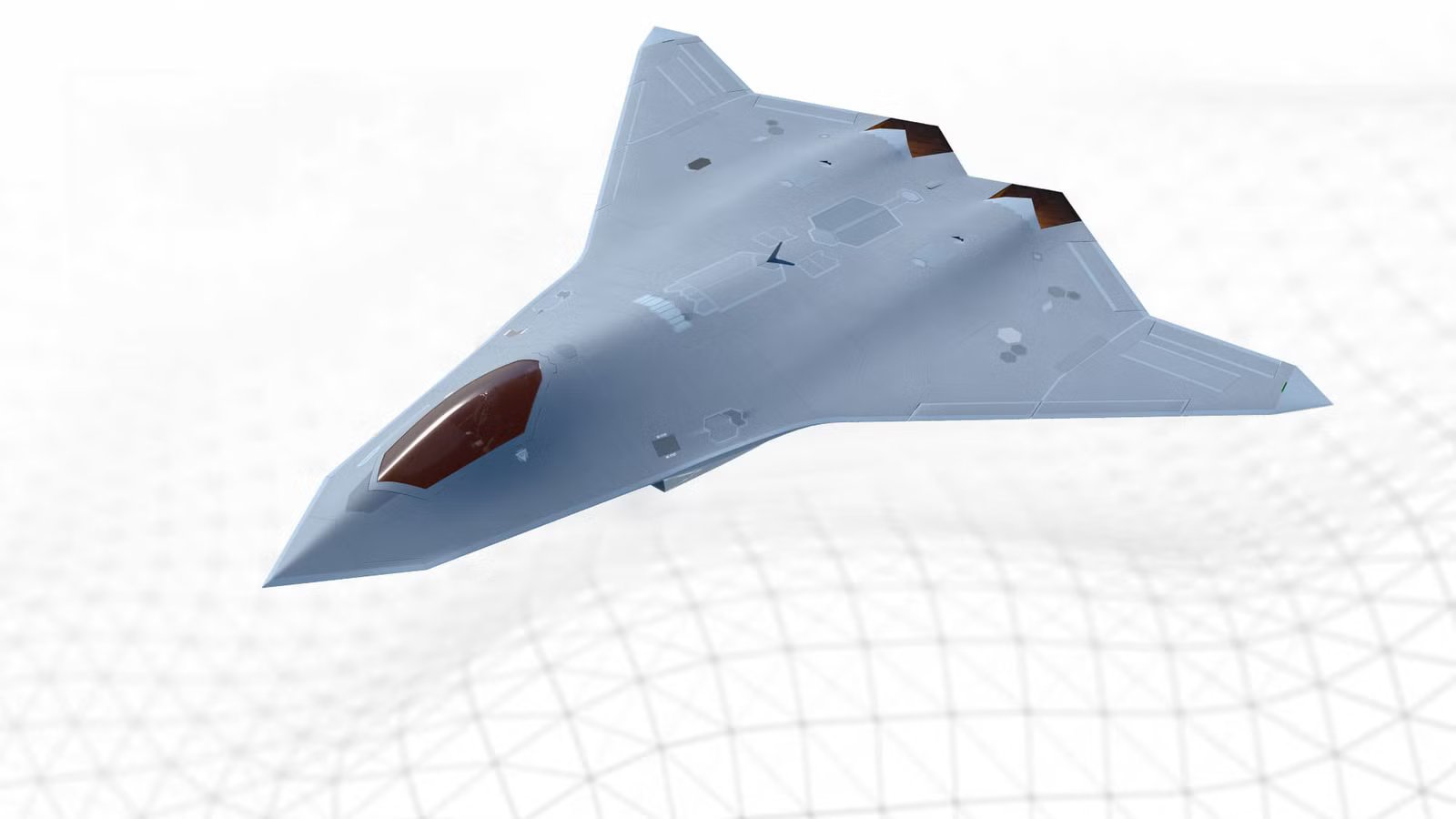
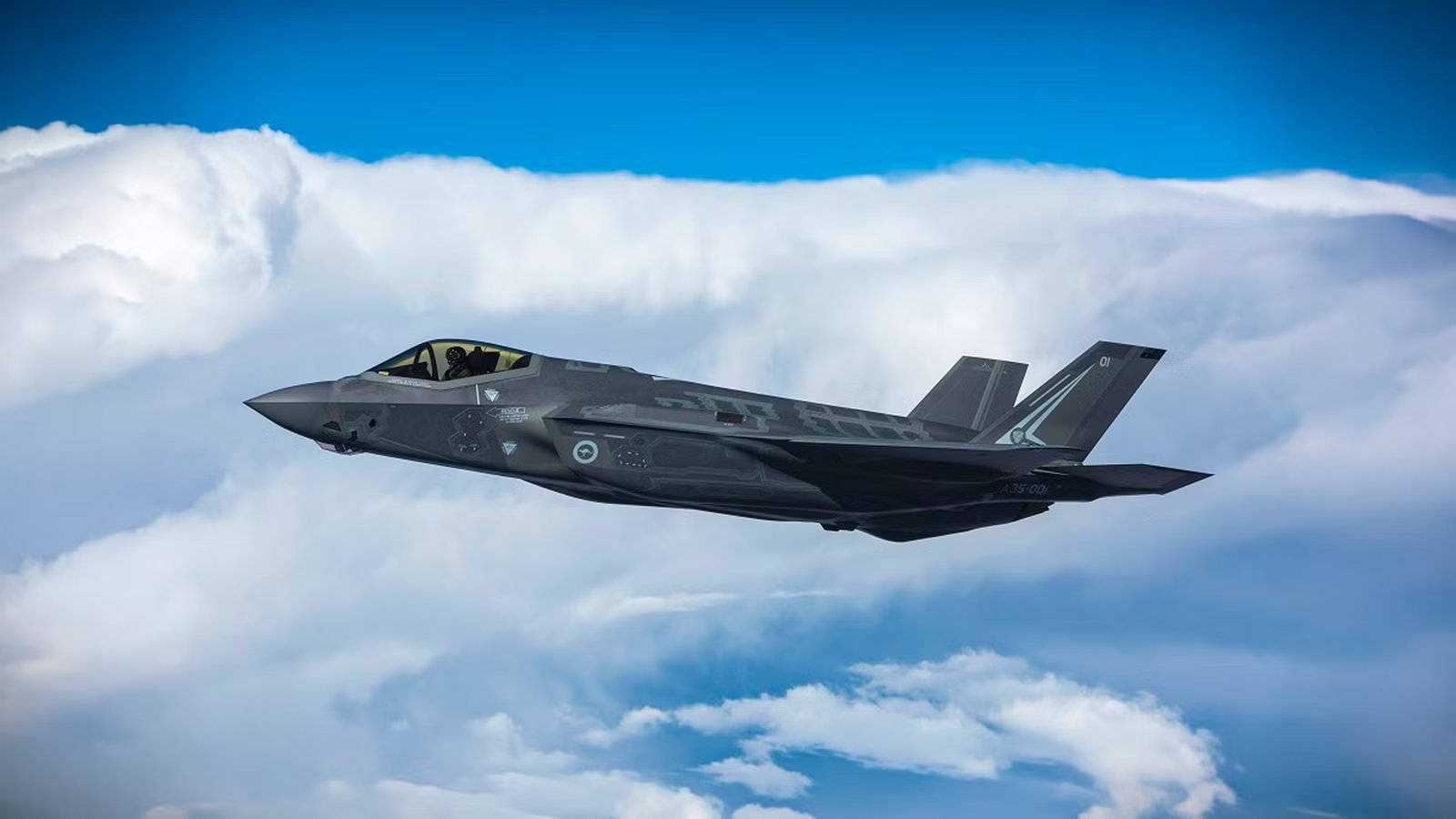
The United States military is facing a new headache as news has emerged that two of its key sixth-generation fighter jet projects — the  Boeing F-47 and F/A-XX — are unlikely to enter service until the mid-2030s. This will force the country to extend the service life of its F-22 Raptor and F/A-18 Super Hornet fleets, creating a ‘fighter gap’ that could last over a decade.
The delay represents a significant setback for the Pentagon’s goal of achieving initial operating capability by 2030, with both jets facing various development complexities that are slowing their entry into service. Extending the service life of its existing inventory of fighter jets will not only prove a major logistical challenge, but also rack up billions in additional maintenance and upgrade costs.
US Sixth-Generation Fighter Delays

As reported by Air & Space Forces, Rep. Rob Wittman, chairman of the House Armed Services Committee’s tactical air and land forces subcommittee, stated at the recent McAleese Defense Programs Conference that the two next-generation fighter jets will not be operational until the mid-2030s. Boeing’s F-47 will replace the United States Air Force (USAF) F-22 Raptor platform, which has been beset by ballooning production and sustainment costs.
Boeing won the race to lead USAF’s next-generation fighter in March 2025 with a massive $20 billion contract, and USAF leaders had initially hoped the jet would complete its first flight in 2028 before entering service before 2030. The F/A-XX is the US Navy’s equivalent and is already significantly behind schedule, with the Navy yet to award a final contract to the two remaining contractors, Boeing or Northrop Grumman. With both programs lagging behind, the US will now have to keep its F-18s and F-22s in service for longer than planned. According to Wittman,
“We have to maintain a fleet of F-18s, and then we have to maintain the F-22… That’s the only way we create that bridge to the sixth-generation aircraft.”
Why The Timeline Has Been Pushed Back

It is hardly a surprise for an aircraft program to run into development delays, particularly one as complex and security-sensitive as the F-47. One of the key differences in the F-47 program compared to its predecessor, the F-22, is a move towards government-led control over the platform’s architecture. This will ultimately enable the US to maintain sovereignty over the aircraft and its future updates.
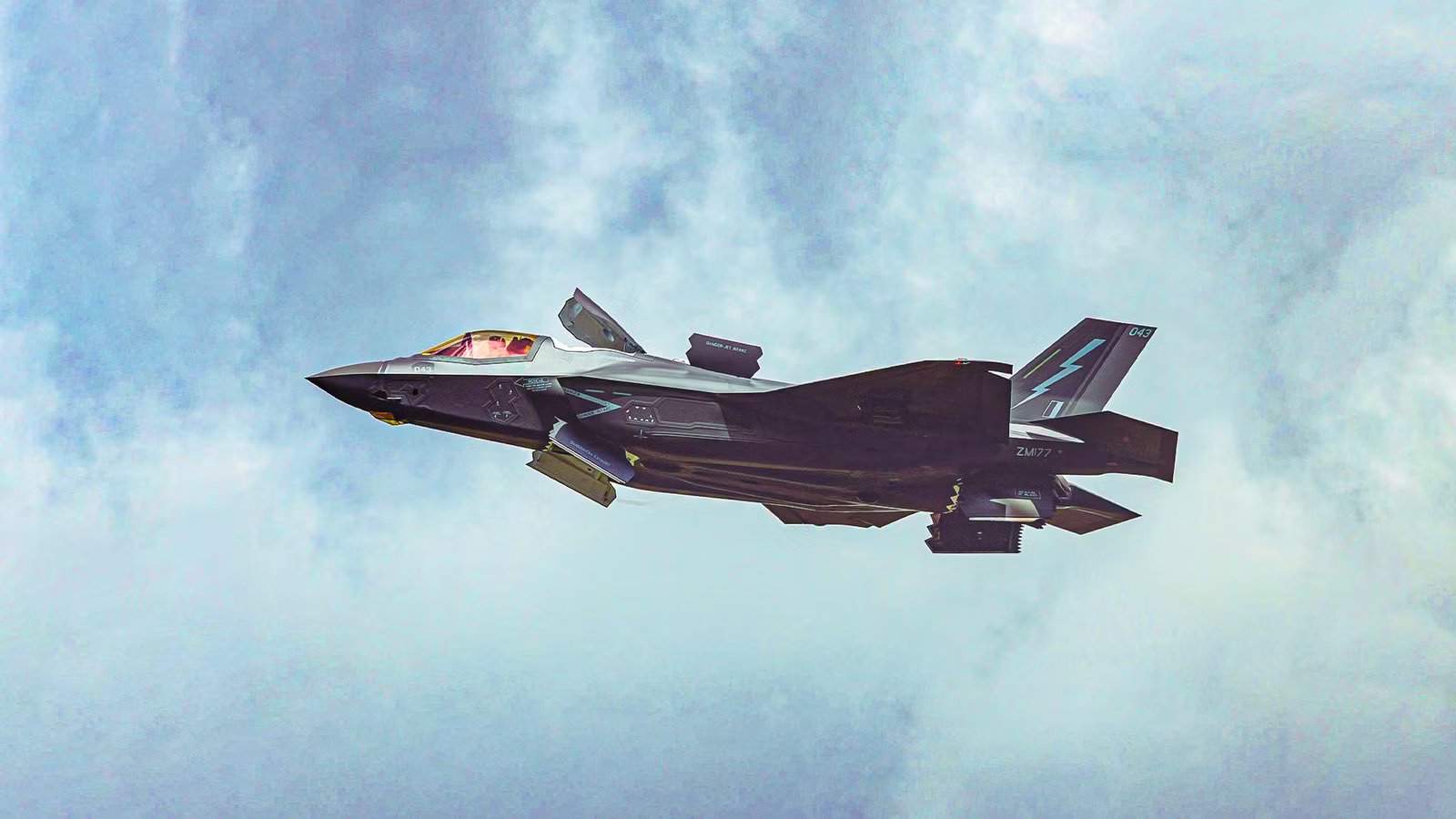
These lessons were learned on the F-35, which has infamously suffered from “vendor lock”, with prime contractor Lockheed Martin retaining the technical data rights for the platform. This lack of data ownership meant that the Pentagon was forced to go back to Lockheed to deal with any software or hardware tweaks, driving up sustainment costs and waiting times.
According to Air Force Gen. Dale White, after outsourcing engineering for so long, the F-47’s program philosophy aims “to bring the government back into engineering,” an approach that will also benefit other future platforms. The US defense industrial base is also struggling under the weight of multiple new aircraft programs, particularly with B-21 Raider production ramping up.

The Real Reason Why Boeing Is Building The F-47 Stealth Fighter And Not Lockheed
Stealth, Speed, and Strategy: Inside the F-47 Revolution.
Longer Life For Existing Fleet

USAF has earmarked the F-22’s retirement to begin in 2030, but this was dependent on the F-47’s expected entry. The F-22 remains the most expensive fighter jet in the US inventory, typically costing around $80,000 per hour with a total cost per plane of $350 million. It is now likely to remain operational well into the next decade, an expensive proposition that will necessitate billions of dollars of additional spending.
The Navy faces the same predicament and will be extending its Service Life Modification (SLM) program for its F-18 fleet. Originally intended to bridge a shorter gap than it currently faces, the SLM program will aim to push the F-18 beyond 10,000 flight hours, which is more than 40% over its original design limit.