dailynewsnblog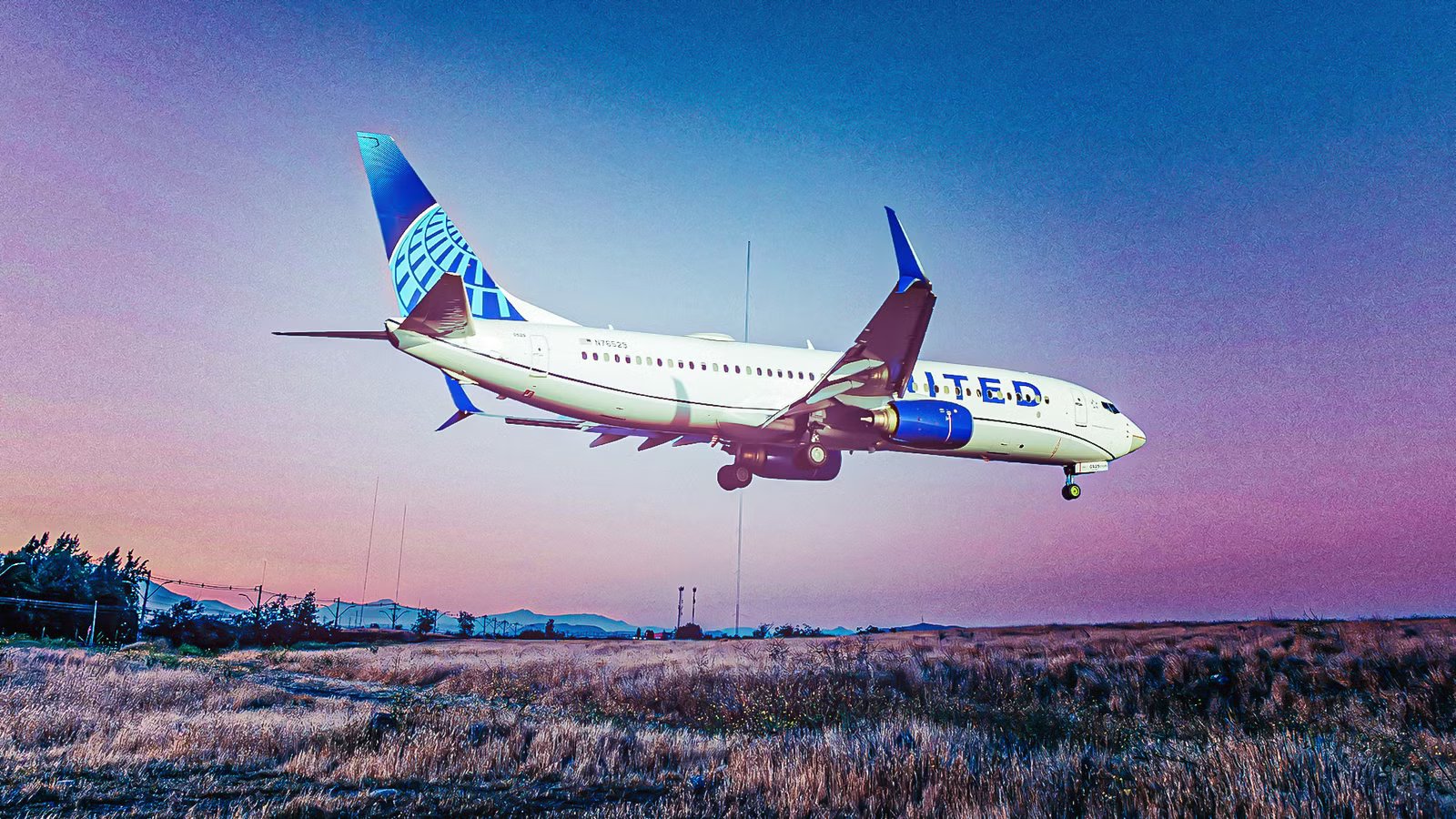
A  United Airlines Boeing 737-700 experienced an incident in which the cabin failed to pressurize after takeoff. According to a passenger onboard who shared their account on Reddit, they experienced “brain-searing pain,” and felt as though their eardrums were on the verge of bursting.
The flight, originally en route to Chicago, diverted to  Houston George Bush Intercontinental Airport and landed safely. After a delay, the airline swapped aircraft and continued the journey from Houston to Chicago, the intended destination. Simple Flying has asked United Airlines for comment.
A Closer Look Into The 737’s Cabin Depressurization

On January 30, 2026, a United Airlines Boeing 737-700 (registration N27724) operating flight UA1332 from San Antonio International Airport (SAT) to Chicago O’Hare International Airport (ORD) reportedly experienced a cabin depressurization shortly after takeoff. As a result, the aircraft diverted and made an emergency landing at George Bush Intercontinental Airport (IAH) in Houston.
The flight landed safely. However, one passenger reported significant health issues due to the depressurization event. According to their account, approximately 30 seconds after takeoff, the passengers “went from feeling completely normal to brain-searing pain.” The individual claimed they temporarily lost their hearing and that they had not fully recovered.
The passenger stated that United Airlines later emailed an offer of 2,500 MileagePlus points as compensation, which the passenger described as inadequate given “the absolutely horrible time I had during the flight and how I still haven’t fully recovered from it.” They shared their full account in a post on Reddit.
“Only after leaning into the aisle and sending a message to the flight attendant with my hands frantically pointing to my head … did the attendant make a message saying we don’t have cabin pressure.”
Why Does Cabin Need To Be Pressurized?

High altitudes reduce the ability of humans to take in enough oxygen to sustain life. For this reason, aircraft are pressurized. The pressurization in an aircraft works by pumping air from the air conditioning system into the cabin in a controlled manner. The air for the air conditioning comes from the engines.
When on the cruise at about 35,000 ft, a typical airliner maintains the cabin pressure equivalent to the pressure felt at 6000 to 8000 ft. This level of pressure is good enough for passengers to breathe normally. The reason why the pressure is not increased to that of sea level is to increase the durability of the airframe.
If oxygen is not provided as mentioned above, the body suffers from something called hypoxic hypoxia. Hypoxia causes impaired judgment, memory loss, muscle impairment, etc. and, if untreated, it can eventually cause the person to lose consciousness, which is soon followed by death.

Delta Air Lines Boeing 757-200 Returns To Atlanta After Cabin Depressurization
The aircraft landed safely with no reported injuries.
How Do Pilots Deal With Such Incidents?

For pilots, depressurization calls for immediate rapid descent to an acceptable altitude which is preferable to 10,000 ft. But before that, the pilots should immediately put on their oxygen masks. This is the first action, as at higher altitudes the Time of Useful Consciousness (TUC) is over within a few seconds. Delaying oxygen masks can cause a lack of judgment which can jeopardize the safety of the aircraft. This is one of the main reasons why the actions required by the pilot in a cabin depressurization must be memorized and done without the help of a checklist.
To initiate the descent, the engines are idled, and the speed is set to the maximum to convert all that potential energy at the altitude to kinetic energy. When available, speed brakes are deployed to further increase the descent rate. In some cases, even the landing gear can be lowered to increase the drag, which in turn increases the rate of the dive.
In today’s aircraft, the passenger oxygen masks are armed to automatically deploy if the cabin pressure exceeds a certain threshold (about 14,000 ft). So, in a depressurization event, when the cabin altitude goes above the threshold, the masks fall from their compartments.