dailynewsnblog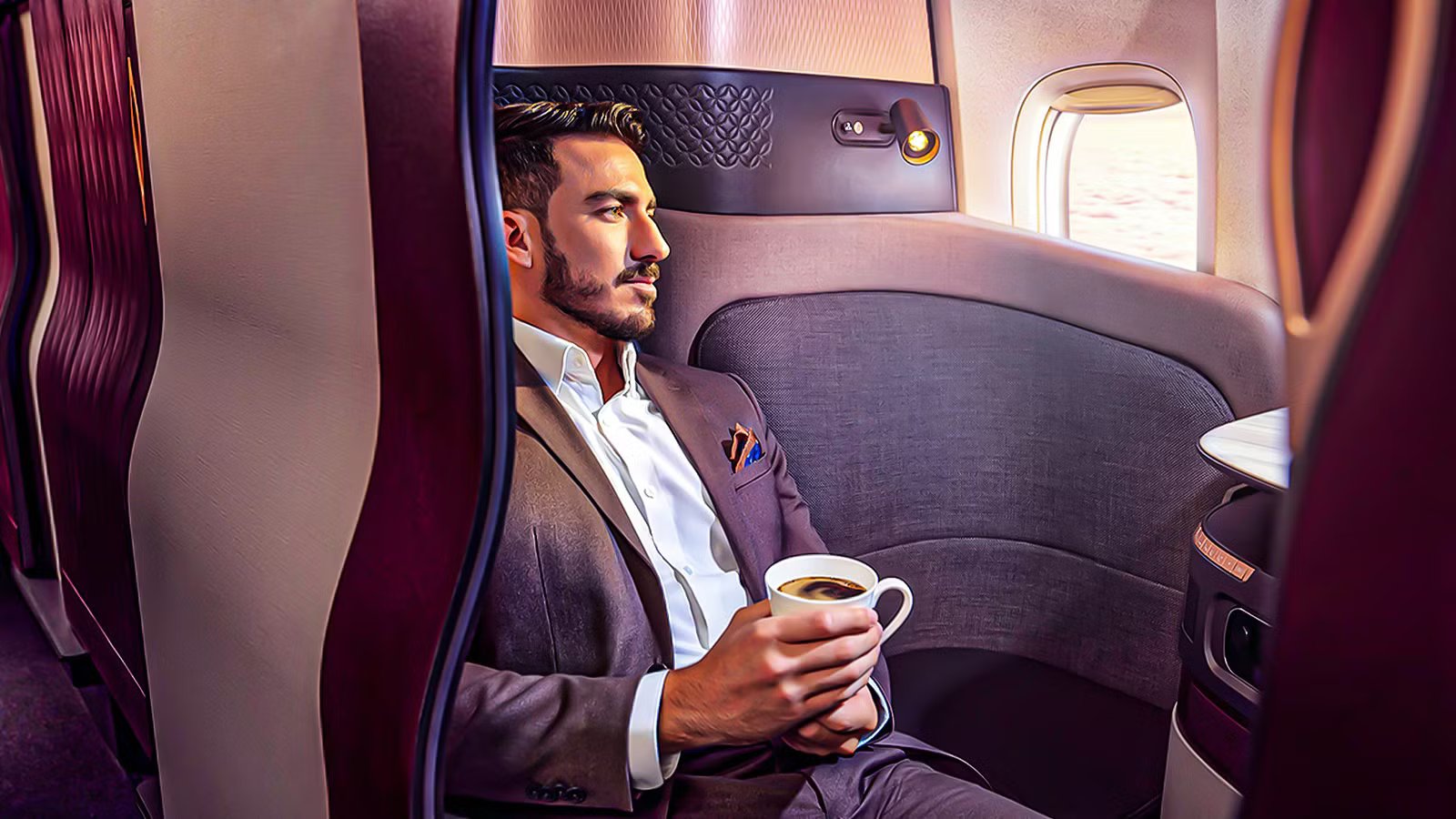
In 2026, business class travel has evolved into a highly competitive segment where airlines differentiate themselves through far more than seating and onboard amenities. One of the most important battlegrounds is now inflight dining. Airlines have been raising the bar, and premium passengers now increasingly expect restaurant-quality meals, thoughtful presentation, and flexibility in how and when they dine. As a result, airlines have invested heavily in culinary partnerships, menu innovation, and service design to elevate the onboard experience.
Global benchmarks such as the SKYTRAX World Airline Awards highlight just how important catering has become. These rankings evaluate not only the taste and quality of food, but also consistency, presentation, and the overall dining experience. Airlines that perform well in this category tend to excel in premium travel more broadly, as dining is closely tied to passenger satisfaction. Based on the latest global rankings of business-class catering, the following six airlines set the highest standard in 2026. Presented in increasing quality, each offers a distinct approach to inflight dining, reflecting regional influences, operational strategies, and brand identity.
Emirates
Extensive menus and premium presentations

 Emirates stands out among airlines not because it is the most chef-driven or culturally specific airline, but because it has perfected premium dining at an industrial scale. Its core advantage is consistency across an enormous global widebody network while still maintaining a luxury presentation standard.
Unlike airlines that build identity around a single cuisine or onboard chef concepts, Emirates focuses on breadth and repeatability. The menu is designed to feel familiar in structure but varied in execution, with multiple global options available on every flight. This reduces reliance on regional identity and instead prioritizes universal appeal.
Presentation is central to the experience. Meals are individually plated and served on proper tableware, reinforcing a restaurant-style feel even within a high-volume operation. The emphasis is less on theatrical service and more on controlled luxury that can be replicated flight after flight.
Where Emirates differentiates itself most clearly is scale. Few airlines operate as many long-haul aircraft while maintaining this level of consistency in business class dining. The ability to deliver a premium experience across a vast network is its defining strength.
This makes Emirates less about culinary uniqueness and more about reliably executing a high-end dining standard on a global scale.
The airline has become a mainstream luxury airline, if that’s even a thing, and truly delivers across its business class fleet. This ability to scale quality across numerous routes is a key reason it remains among the top-ranked airlines for business class dining.

The World’s Most Comfortable Premium Economy Doesn’t Have The Most Legroom
Emirates won the premium economy seats category in the Skytrax awards, yet it has less legroom than that of Japan Airlines.
All Nippon Airways
Precision, seasonality, and traditional Japanese excellence

All Nippon Airways (ANA) business class dining stands apart because it is structured around a kaiseki approach rather than a standard airline meal format. Instead of focusing on menu breadth or global variety, ANA emphasizes a tightly controlled multi-course Japanese dining sequence that mirrors traditional restaurant etiquette.
Meals are designed as a progression of small, carefully paced courses rather than a single consolidated service. This creates a dining rhythm that feels intentional and structured, even within the constraints of inflight operations. Seasonality is not decorative but foundational. Ingredients and dishes are rotated to reflect Japanese seasonal cycles, ensuring that menus feel contextually authentic rather than static or globally standardized. This gives frequent travelers a noticeably different experience throughout the year.
Plate presentation is executed with extreme precision. Each element is arranged to reflect Japanese aesthetic principles, in which balance, spacing, and visual harmony are treated as part of the meal itself rather than as secondary details. Unlike airlines that prioritize flexibility or scale, ANA prioritizes discipline and structure. The result is a dining experience that feels closer to a curated cultural experience than to a conventional business-class service.
This clear focus on kaiseki-style sequencing and seasonal authenticity makes ANA one of the most distinctive and recognizable business class dining products in the world. In other news, ANA will launch a new business class seat offering called The Room FX later this year. The refreshed design will enhance the already elevated traveling experience with ANA.
Singapore Airlines
Customization and culinary expertise within a premium ecosystem

 Singapore Airlines is distinguished less by a single signature dining concept and more by the strength of its entire premium cabin ecosystem, where business class dining is tightly integrated with one of the most consistently highly ranked business and first class products globally. Its reputation for onboard catering is reinforced by its frequent placement near the top of Skytrax premium cabin rankings, reflecting strength across seat comfort, service, and inflight dining performance.
The most defining element of its dining strategy is the “Book the Cook” program. This system allows business class passengers to pre-select meals from an expanded menu well before departure, significantly increasing control over the onboard experience. Unlike standard airline menus, this includes chef-designed dishes that would typically be reserved for first class or restaurant settings.
Singapore Airlines supports this customization through its International Culinary Panel, which brings in globally recognized chefs to design menus that balance regional authenticity with international appeal. This ensures that dining is not only varied but also consistently refined across routes.
Execution is where the airline further separates itself. Meals are engineered specifically for inflight conditions, with careful adjustments to texture and seasoning to preserve quality at altitude. This operational discipline helps maintain consistency across a large global network. What makes Singapore Airlines distinct is the combination of personalization, culinary credibility, and overall premium cabin consistency. Dining is not treated as an isolated feature but as part of a broader high-end product experience that includes some of the most consistently well-regarded business and first class seats in the industry.
Hainan Airlines
Authentic Chinese cuisine with a modern presentation

Hainan Airlines has built a strong reputation for delivering authentic Chinese cuisine in business class. Its menus focus on traditional flavors, using carefully selected ingredients and preparation methods to maintain authenticity. This emphasis on cultural identity sets it apart from competitors that offer more generalized international menus. Passengers can expect dishes that reflect genuine Chinese culinary traditions.
Presentation is also a priority. Meals are served in courses and plated individually, creating a more structured and refined dining experience. The airline has invested in improving consistency across its network, ensuring that catering standards remain high regardless of route.
Hainan Airlines also updates its menus regularly, introducing new dishes to keep the experience engaging. While the airline is not as well-known globally as other Asian carriers, it does not lack in quality of service. This combination of authenticity and innovation supports its strong ranking in global catering evaluations.

The Airlines With The World’s Widest Business Class Seats In 2026
The biggest seats for biz flyers.
Qatar Airways
Elegant dine-on-demand service

 Qatar Airways builds its business class dining around full flexibility, led by its dine-on-demand concept. Passengers are not tied to fixed meal times and can order from a full menu whenever they choose, creating a more personalized inflight experience. The menu functions like a restaurant list, offering a mix of international dishes and refined regional options. Each meal is individually plated and served in courses rather than as a standard tray, which improves presentation and pacing.
A key strength is operational control. Even with flexible ordering, service remains structured and consistent, avoiding the disorder that can come with on-demand dining at altitude. Meals are also designed specifically for inflight conditions, with adjustments to seasoning and preparation to preserve flavor at cruise altitude.
The result is a dining system focused on flexibility and refinement, where passengers have continuous access to high-quality meals without being restricted to traditional service windows. All of this takes place in the QSuite: the elegant, highly private business class seat offered on Qatar flights. In addition to the restaurant-level dining, the atmosphere itself elevates the entire dining experience.
Turkish Airlines
End-to-end culinary identity

 Turkish Airlines ranks first because its business class dining is not just a strong menu, but a fully integrated culinary system that combines sourcing, preparation, service, and identity into a single, consistent product. Unlike competitors that excel in specific areas such as flexibility or presentation, Turkish Airlines delivers strength across every stage of the dining experience.
A major differentiator is its partnership with DO & CO, which manages much of the inflight catering at a high gourmet standard. This ensures restaurant-level preparation before meals even reach the aircraft, with a focus on fresh ingredients and precise execution. The airline also embeds culinary identity directly into the experience. Turkish cuisine is not treated as a theme but as the core product, with mezze, grilled meats, and regional dishes forming a structured menu that feels grounded and authentic rather than adapted.
Service design further sets it apart. The chef-on-board concept on many long-haul flights adds live preparation and plating in the cabin, creating a level of interaction and quality control that most airlines do not attempt. This bridges the gap between catering and fine dining service. Consistency is the final advantage. Turkish Airlines maintains a high standard across its global network, ensuring that passengers receive a similar experience regardless of departure point.
The combination of culinary identity, live service execution, and system-wide consistency is what clearly separates Turkish Airlines from its competitors and justifies its position at number one.