dailynewsnblog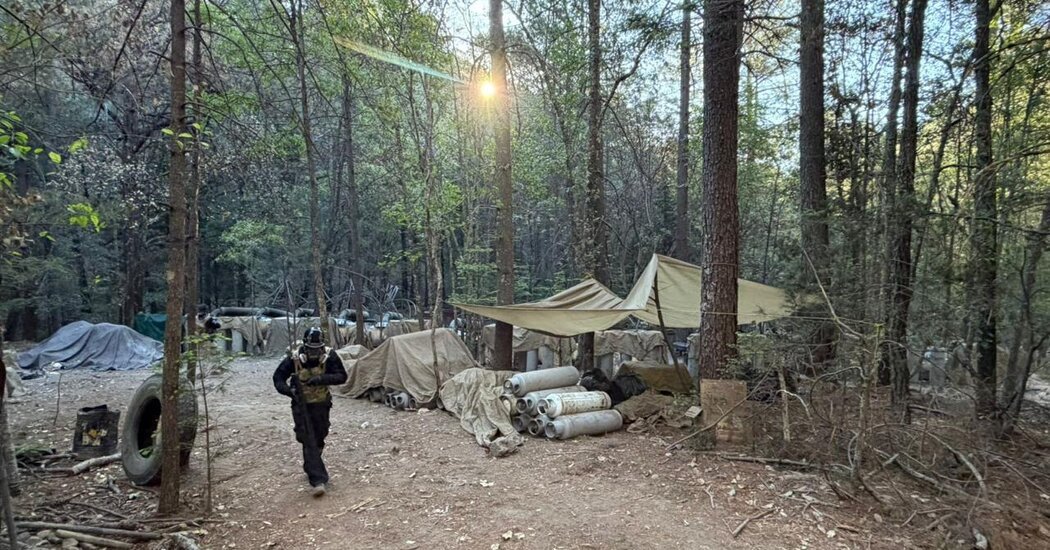
Two American officials killed in a car crash early Sunday in northern Mexico while returning from a counter-cartel operation were officers of the Central Intelligence Agency, according to people familiar with the episode, raising questions about the agency’s role in Mexico’s war against drug cartels.
The two C.I.A. officers, along with two Mexican officials, were killed when their vehicle crashed while returning from an operation led by Mexico’s armed forces to dismantle clandestine methamphetamine labs in the mountains, said the authorities in the state of Chihuahua, where the accident occurred.
The people confirming the Americans’ identity spoke on condition of anonymity to discuss sensitive details of the episode.
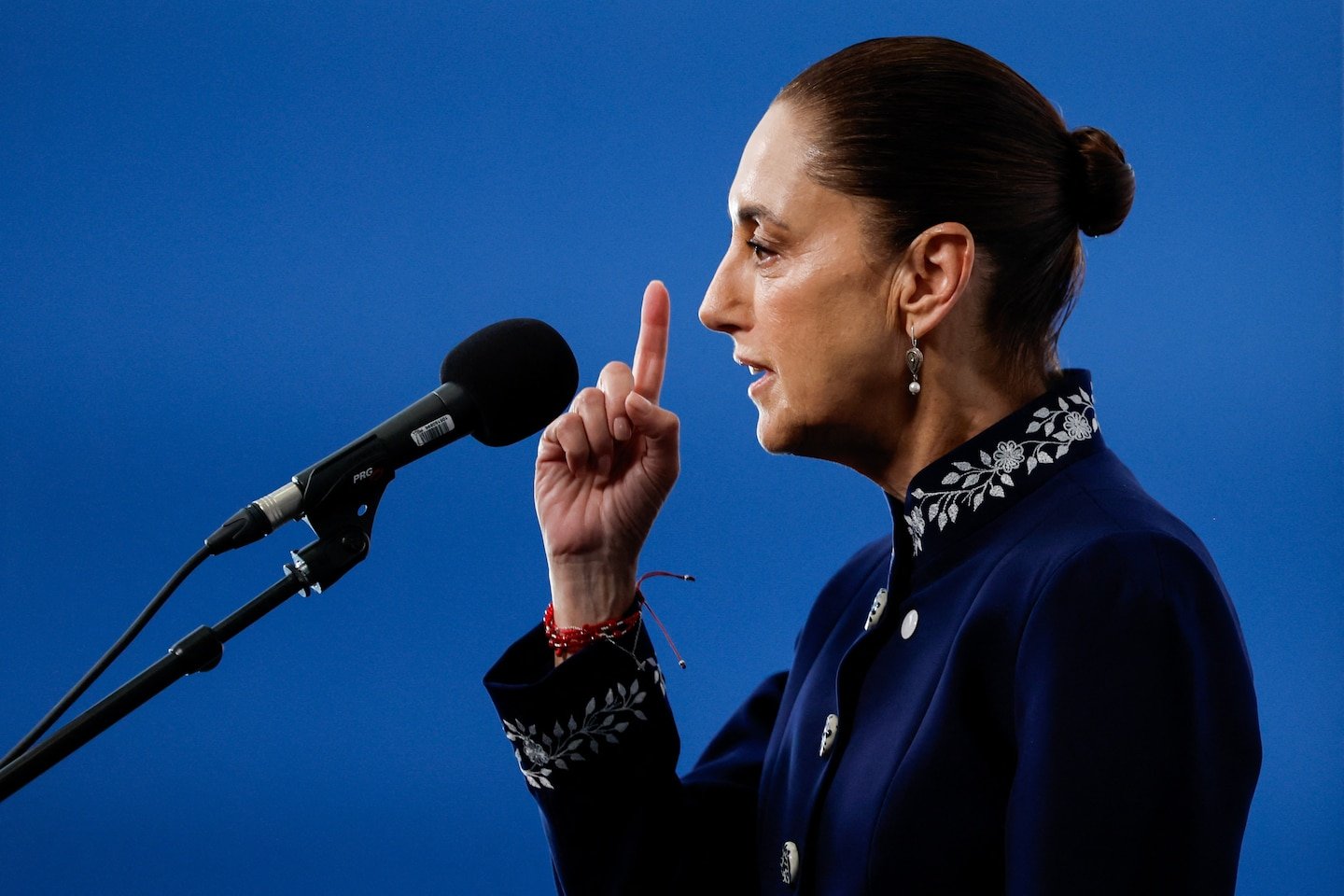
President Claudia Sheinbaum of Mexico said on Monday that her cabinet had no prior knowledge of the activities involving the Americans in Chihuahua and would investigate whether their involvement in the operation violated Mexico’s national security laws.
“There is collaboration, there is coordination, but there are no joint operations on the ground,” Ms. Sheinbaum said at her daily news conference, drawing a firm red line that has come to define her approach to Mexico’s security ties with Washington. She said that the Americans’ presence appeared to stem from an arrangement between the U.S. Embassy and local authorities in Chihuahua, not with the federal government.
The C.I.A., along with the Pentagon, have taken on an expanded role in the war against drugs and trafficking groups since President Trump took office early last year. The campaign against drug cartels has historically been led by the Justice Department and its law enforcement arm, the Drug Enforcement Administration.
But after the Trump administration designated some two dozen drug organizations as terrorist groups last year, it tapped into the military and the C.I.A.’s more sophisticated, high-tech and lethal resources in the battle against the cartels.
The C.I.A. expanded a secret drone program in Mexico last year, deploying surveillance drones more powerful than those used by the Justice Department to the fight.
At the same time, the Pentagon has used lethal military equipment to target drug traffickers in the Caribbean and the Pacific Ocean, killing at least 174 people since those operations started late last year.
In February, the C.I.A. provided crucial intelligence on the location of Nemesio Oseguera Cervantes, the longtime leader of the Jalisco New Generation Cartel who was known as El Mencho. He was killed in an operation by Mexican forces.
The C.I.A. declined to comment.
Mexico’s national security law forbids foreign agents, including U.S. military and law enforcement officials, from operating the country without prior authorization by the government. American officials working directly with state-level authorities without federal approval would be in direct breach of the Constitution.
“We need to understand the circumstances under which this was taking place, and then assess the legal implications,” Ms. Sheinbaum said on Monday.
Eloy García, a spokesman for the Chihuahua state attorney general’s office, said the Americans were in the state under a “direct agreement” with the U.S. government tied to continuing training efforts. Such training programs, he said, are regular and do not require federal authorization.
“We have signed agreements that allow us to carry out this type of joint effort — training exercises that are ongoing, though not permanent — without needing to request authorization from the federal government,” Mr. García said.
He added that cooperation with U.S. officials, often coordinated through the embassy, had intensified in recent months as seizures of synthetic drug labs surged. After three state agents became intoxicated last year while handling fentanyl, he said, the state authorities began specialized training with their American counterparts on how to safely handle the deadly synthetic opioid.
Emiliano Rodríguez Mega contributed reporting.