dailynewsnblog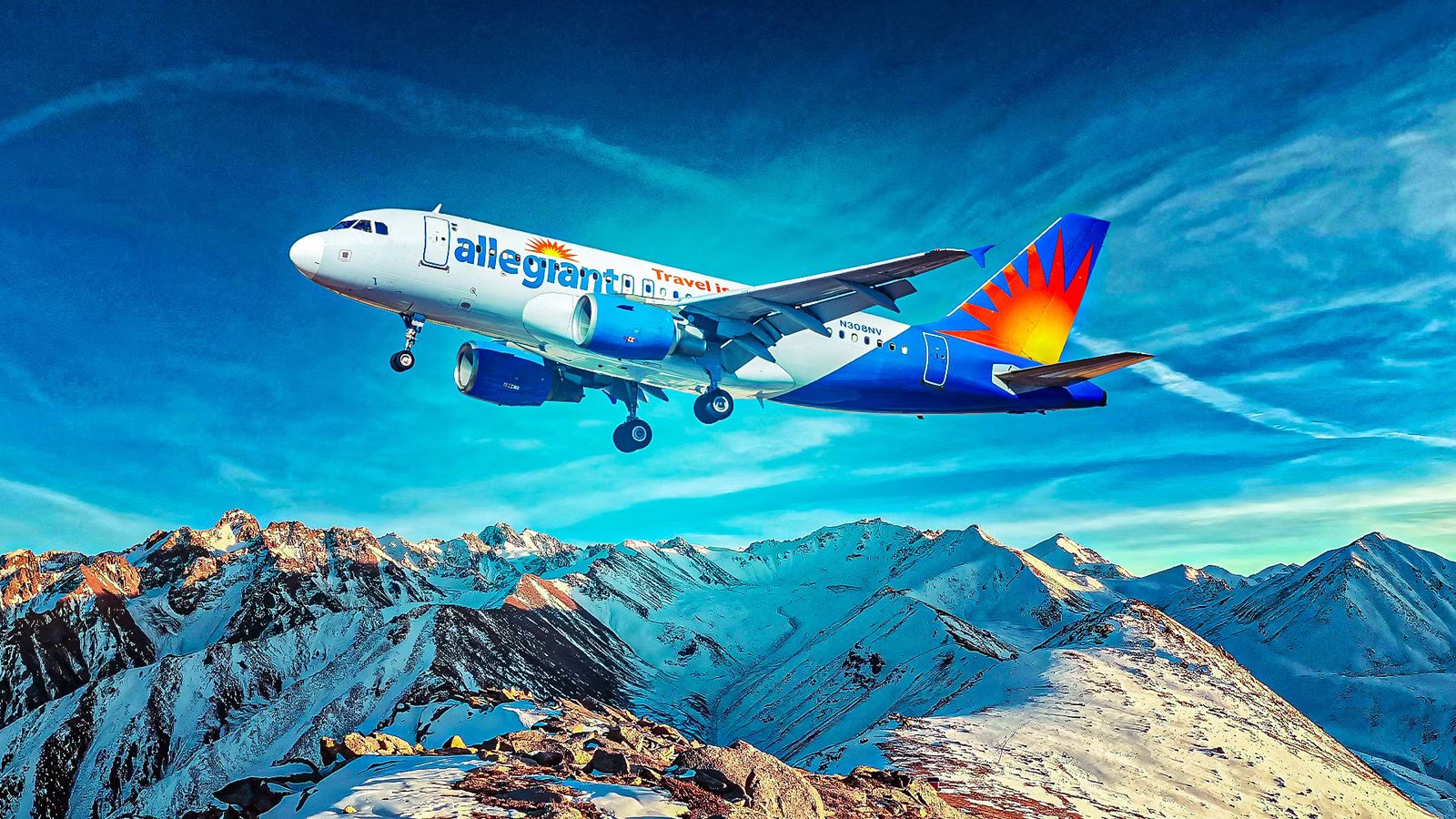
Allegiant Air has completed its $1.5 billion acquisition of Sun Country Airlines, creating one of the country’s largest carriers and strengthening Allegiant’s position as the biggest leisure airline in the US. With almost 175 destinations and over 650 routes, the two airlines will continue to operate under their respective brands for the foreseeable future, although the Sun Country name will eventually be assimilated under the Allegiant brand.
The combined fleet will number almost 200 aircraft, with Allegiant’s Airbus A319, Airbus A320, and Boeing 737 MAX fleet bolstered by Sun Country’s all-Boeing 737NG fleet. The merger comes just weeks after the collapse of ultra-low-cost carrier Spirit Airlines, which struggled to survive amid skyrocketing fuel prices and other industry headwinds.
Allegiant-Sun Country Merger Finalized

Allegiant’s acquisition of Sun Country was announced in January 2026, aiming to bring together two complementary carriers in a move that Allegiant CEO Greg Anderson says is to establish “a more differentiated and durable airline.” As per Cirium data, the new airline will be the 8th largest in the US as measured by seat capacity, and it will have more diverse revenue streams with the addition of Sun Country’s charter and cargo business.
Travelers will also have more route options, with the new combined entity set to operate over 650 routes to nearly 175 cities. As for the combined fleet, ch-aviation data shows Allegiant’s fleet numbers 124 aircraft, joining Sun Country’s 69 planes to equal 193 aircraft in total. Both airlines also have additional firm orders for 30 jets and another 80 options, which, if taken up, would boost the fleet to over 300 planes. Allegiant’s CEO Anderson commented,
“Today marks a defining moment in Allegiant’s history as we officially join forces with Sun Country to create the leading leisure-focused airline in the United States. By bringing together two strong airlines with similar business models, we are creating a more differentiated and durable airline – one well-positioned to deliver lasting value for our customers, team members, and shareholders.”
How Will This Affect Passengers?

In the near term, customers won’t see much change when flying with either airline, with both carriers set to retain their autonomy in the months ahead. However, the Sun Country name will eventually disappear as Allegiant implements a full integration, although the carrier warns this will take time.
The combined airline is projected to serve around 22 million passengers per year. Sun Country’s  Minneapolis-St. Paul International Airport (MSP) hub will continue operating as normal and will play a central role in the new airline’s strategy, while Allegiant’s Las Vegas base will take on the role of the combined airline’s corporate headquarters in due time.
Both airline loyalty programs — Allegiant Allways Rewards and Sun Country Rewards — will remain separate, although full integration is to be expected. Allegiant says it will implement additional benefits in time that will enable more seamless booking, travel and loyalty perks across both carriers.
How Allegiant Is Shifting From All-Airbus To A Boeing-First Fleet In Just 2 Years
The MAX 8200 is at the heart of a seismic shift towards Boeing.
Low-Cost Airlines Feeling The Pressure

Allegiant and Sun Country’s merger comes during extremely testing times for budget airlines. The low-cost model has always been difficult to pull off in the US, and with fuel prices doubling since the beginning of the year, it is the budget airlines feeling the greatest strain due to their razor-thin margins. Consolidation will bolster the resilience of both airlines, with CEO Anderson noting that the merger will help to “protect margins.”
Allegiant has projected it will save around $140 million per year within three years as a result of “synergies” gained from the merger. The addition of Sun Country’s alternative revenue streams — particularly its sports and government charters and cargo contracts under Amazon Prime Air — will help to diversify the business and make it more robust to market shocks.
The Association of Value Airlines, which includes both Allegiant and Sun Country, recently reached out to the Trump administration over a $2.5 billion relief plan to help its member airlines endure the current fuel crisis. According to the group, “smaller value airlines are disproportionately impacted by higher fuel prices.” However, US Transportation Secretary Sean Duffy has rejected the proposal, stating that it wasn’t necessary for these airlines.