dailynewsnblog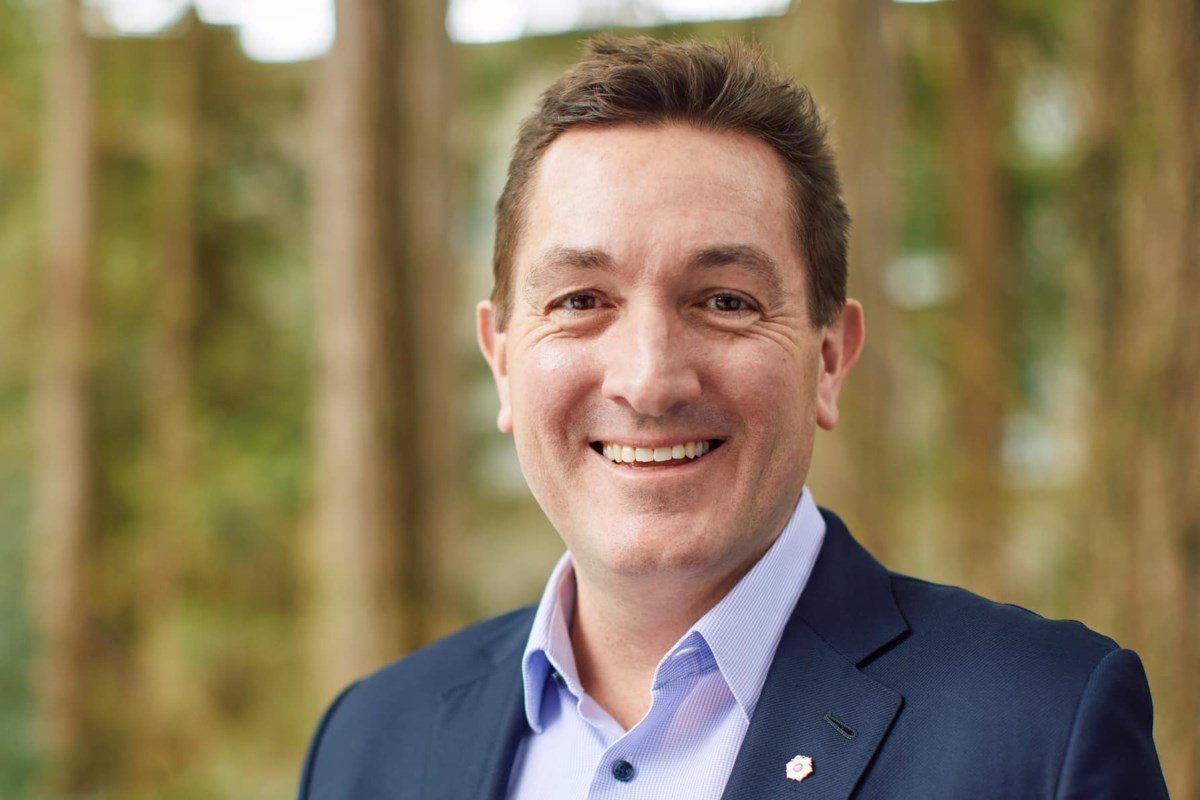

Voting for the next leader of the Conservative Party of B.C. runs May 23-29. Ahead of the vote, candidates make their case on some of the province’s most pressing issues.
The following Q&A has been condensed and edited for length and clarity.
Yuri Fulmer
Leadership candidate for the Conservative Party of B.C.
What is the first thing you would do to address B.C.’s housing crisis?
I believe everyone deserves a place to call home that they can afford. But British Columbia has the most unaffordable housing in North America and the highest rents in Canada under the NDP.
Right now, every delay, every layer of red tape, every unpredictable approval process and every added government cost gets passed on to families and renters. You cannot tax and regulate your way into affordable housing.
To make housing more affordable, we have to make it easier and cheaper to build more of it—condos, townhomes, apartments, market rentals and affordable rentals—while also delivering the transit, child care, schools and infrastructure growing communities need.
I would also eliminate the Property Transfer Tax for first-time buyers and use public land more aggressively for affordable housing. The goal is simple: build more homes, lower the cost of building them and give young families a real shot at owning a home in this province.
Put simply: more supply, better planning, and less red tape and taxes.
What measures would you take to reduce household costs?
Families need relief, not more empty NDP promises.
David Eby has made life more expensive at every turn: higher taxes, higher housing costs, higher fuel costs and higher costs for basic essentials. Food bank use has skyrocketed. My approach is straightforward: government should take less, not more, from people during a cost-of-living crisis.
I will end the NDP tax grabs and focus on one basic principle: helping families keep more of what they earn.
But affordability is also about discipline. We need to stop wasteful government spending, restore competitiveness, and grow private-sector jobs and wages. British Columbians do not need a bigger bureaucracy. They need a government that respects the money they earn and keeps more of it in their pockets.
What is your plan to diversify B.C. trade?
B.C. should be the gateway between Canada and the world but, under the NDP, we have become less competitive, slower to approve projects, and too dependent on politicians managing decline instead of building opportunity.
My trade plan starts with making B.C. a place where people can actually build. That means fast, predictable approvals for ports, mines, LNG, forestry, agriculture, energy and transportation infrastructure. We need to sell more B.C. products to more markets around the world where countries are clamouring for reliable energy, critical minerals, food, lumber and clean technology.
I would also bring in a “Buy B.C.” mandate for the provincial government, Crown corporations, agencies, health authorities and universities. If taxpayer dollars are being spent, B.C. workers and businesses should be prioritized.
Trade diversification is not a slogan. It means building infrastructure, backing our resource industries, opening new markets, and making B.C. competitive again.
What is your plan to provide all British Columbians with access to a family doctor?
Every British Columbian deserves timely, high-quality primary care. Right now, too many people are stuck on waitlists, sitting in emergency rooms or going without care altogether. That is unacceptable.
My plan is to put patients first and push authority back to the front lines. We need to retain and empower family doctors, reduce administrative burdens, expand the use of nurse practitioners and physician assistants, recognize qualified internationally trained health-care professionals faster (especially Canadians who went to medical school abroad), and increase medical school and residency spaces.
We also need more team-based primary care, especially in rural and underserved communities, where timely access to health care shouldn’t depend on your postal code. Within 180 days, I would table a comprehensive rural health-care strategy with clear targets, timelines and accountability.
The NDP keeps announcing plans. I want results: more doctors, shorter waits and a health-care system that works for patients again.
What is your timeline and plan for balancing the budget?
Unlike David Eby, and those in the political commentary class, I have actually balanced budgets and built successful organizations in the real world. It’s not fair that the government can spend more of your money while you have less and less of it.
The first step is honesty. David Eby has taken a province that should be leading the country and driven it off a cliff. Families are paying more and getting less, while government spends more than ever and delivers worse results.
As premier, I will implement a full review of government spending and introduce the Waste Task Force to hunt down the waste, cancel the pet projects and bring fiscal discipline back to government.
This will include a line-by-line review of programs and bureaucracy, and a commitment to protect core services, and redirect dollars from administration to frontline results.
But you cannot balance the budget through restraint alone. You also need growth. That means cutting red tape, speeding up approvals, restoring competitiveness and getting private-sector investment moving again.
I have built businesses, made payroll and balanced budgets in the real world. Government needs that same discipline.
If you were to repeal DRIPA, what legal framework would you pursue for consultation and consent?
I will repeal DRIPA immediately because British Columbians need certainty.
I’ve spent my life in the private sector at negotiating tables, and one of the first rules of negotiation is that you don’t make unilateral concessions and give the party on the other side of the table everything they want while you’re trying to reach a deal. But that’s exactly what this NDP government has been doing. As premier, I would immediately stop the discretionary transfer of land and cash payments to First Nations Bands in B.C. while major questions around DRIPA, Aboriginal title, private property and resource development remain unresolved. We would continue to meet all legal and constitutional obligations, but we have to bring everyone to the table on an equal footing.
My track record speaks for itself. I have a long history of bringing folks together and getting difficult deals done. Not just political deals like my Unite The Right Accord with Dallas Brodie that will stop the vote split next election, but business deals as well. Repealing DRIPA and enshrining property rights is step one. Then we have to get down to business in order to move forward as a province.
What’s the first BC NDP policy you would reverse if you were to form government?
The first thing I would reverse is the NDP’s failure to defend property rights, by immediately repealing DRIPA and enshrining property rights into law.
British Columbians have watched government move the goalposts on something that should be simple: your home and your land are yours. Period. People should not have to wonder whether the rules around their home, farm or business will change after the fact.
A Fulmer-led government would repeal DRIPA, restore certainty, and bring forward a B.C. Freedom Charter to protect fundamental rights, property rights, parental rights, free expression and the basic freedoms British Columbians should never have had to fight their own government to keep.
This is about more than one law. It is about whether government serves the people or controls them. I will always stand on the side of freedom, certainty and common sense.
How do you plan to address the opioid crisis that’s now in its 10th year? What would you do differently?
My heart goes out to every family that has lost someone to this devastating crisis. Every life lost is a tragedy.
What we are doing now is not working. The NDP’s approach has normalized open drug use, weakened enforcement, and failed to deliver treatment when people need it most. Compassion cannot mean abandoning people to addiction on the street.
I would make a dramatic shift toward treatment, recovery and enforcement. That means ending the failed approach to decriminalization, banning open drug use near homes and schools, cracking down on traffickers and fentanyl networks by investing in ports and border controls, and expanding access to detox, treatment and recovery.
I will also implement compassionate involuntary care for people who are at acute risk of serious harm to themselves or others. The goal is saving lives, restoring hope and bringing our family members, neighbours and loved ones back drug-free.
What was your very first job as a teenager, and what is the one lesson from that experience that you still apply to your leadership style today?
My first job was clearing tables and running the drive-thru at A&W. That’s where I learned what it means to show up, work hard and earn your way.
Those values, and my entrepreneurial drive, eventually led me to owning and operating dozens of restaurants across Western Canada, and building other businesses, too.
I’ve met payroll. I’ve dealt with red tape. I’ve felt the pressure of rising costs, and I’ve seen how government decisions hit real families and employers.
Leadership is not about giving speeches from the top. It is about understanding the work, respecting the people who do it, and building a team where everyone feels valued and that they can contribute. It’s about remaining in touch with folks at every level of the business.
That’s the kind of leadership and understanding I would bring to government.
If you had a free weekend and a full tank of gas, which B.C. gem would you drive to and why?
I would drive to Horseshoe Bay and get on a ferry to Vancouver Island.
Whether it’s the natural beauty of the North Island, the incredible small towns in the Mid-Island, or the countless attractions and things to do in the South Island, my kids absolutely love exploring the Island.
It is one of those places that reminds you just how extraordinary British Columbia is. You stop at local restaurants, gas stations and small businesses. You visit resource-dependent communities, tourism-reliant towns, and you meet the people who make this province so special, and so worth fighting for.
I know my kids are already excited for our next “ride” on BC Ferries.