dailynewsnblog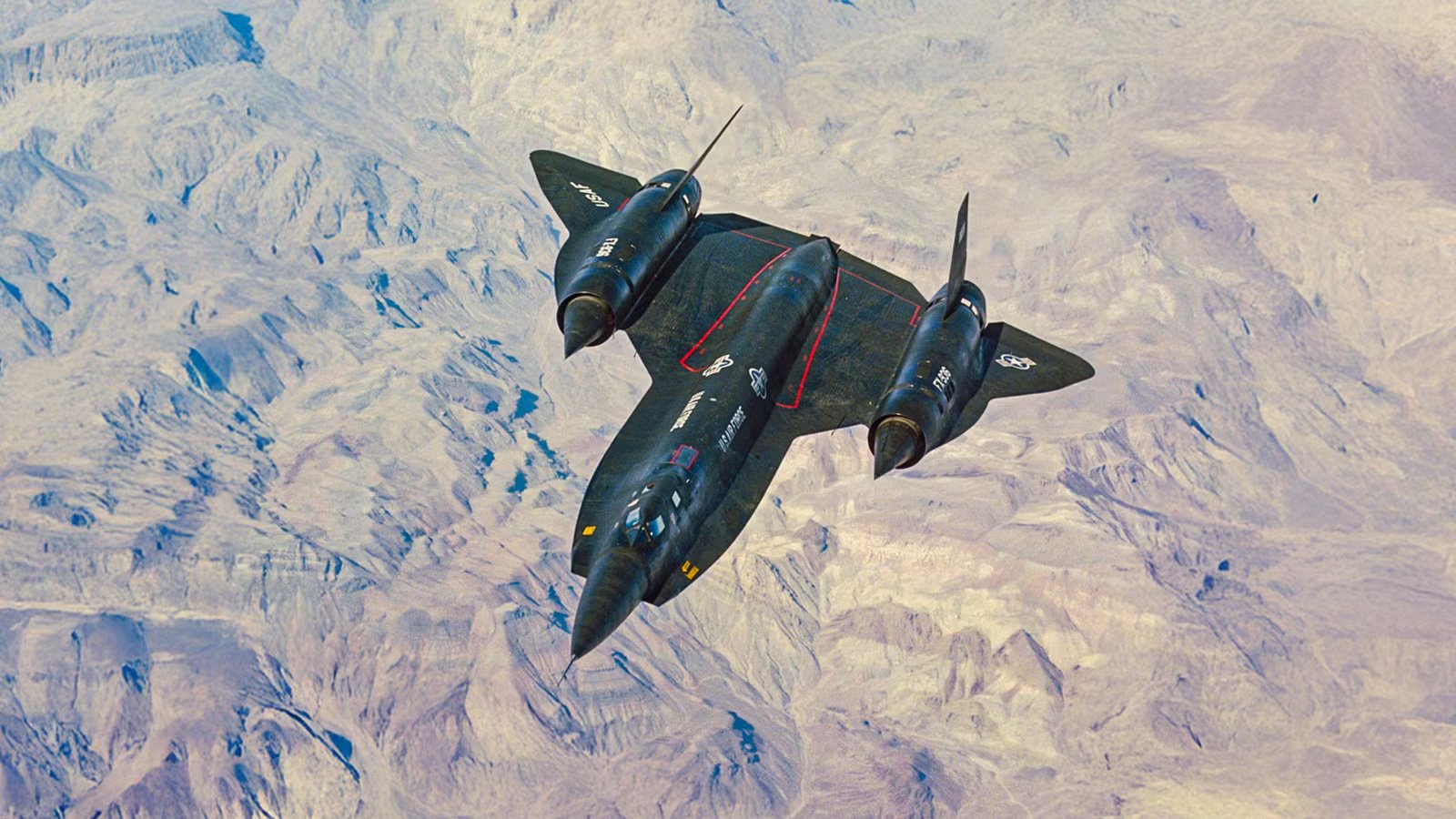
Aircraft and aviation history is often defined by the aircraft that succeeded, entered mass production, and reshaped military or commercial flight. However, an equally important part of that history lies in the programs that never reached operational service. Across the 20th century, governments and manufacturers invested heavily in experimental aircraft that promised to solve emerging strategic challenges or push technological boundaries. Many of these programs were ultimately canceled due to cost overruns, shifting military priorities, technical limitations, or the rapid pace of competing innovations.
Some canceled aircraft programs remain widely discussed, particularly those that were highly publicized or politically controversial. Others, despite their technical ambition or historical significance, have largely faded from public awareness. These lesser-known projects often reveal just as much about the evolution of aviation as their successful counterparts. They highlight the risks inherent in cutting-edge design and the complex decision-making processes that shape military procurement and aerospace development. The following ten aircraft programs represent notable examples of ambitious designs that were abandoned before reaching full operational status. Each reflects a distinct technological or strategic concept that ultimately proved impractical, premature, or unnecessary at the time.
McDonnell XF-85 Goblin
1948–1949

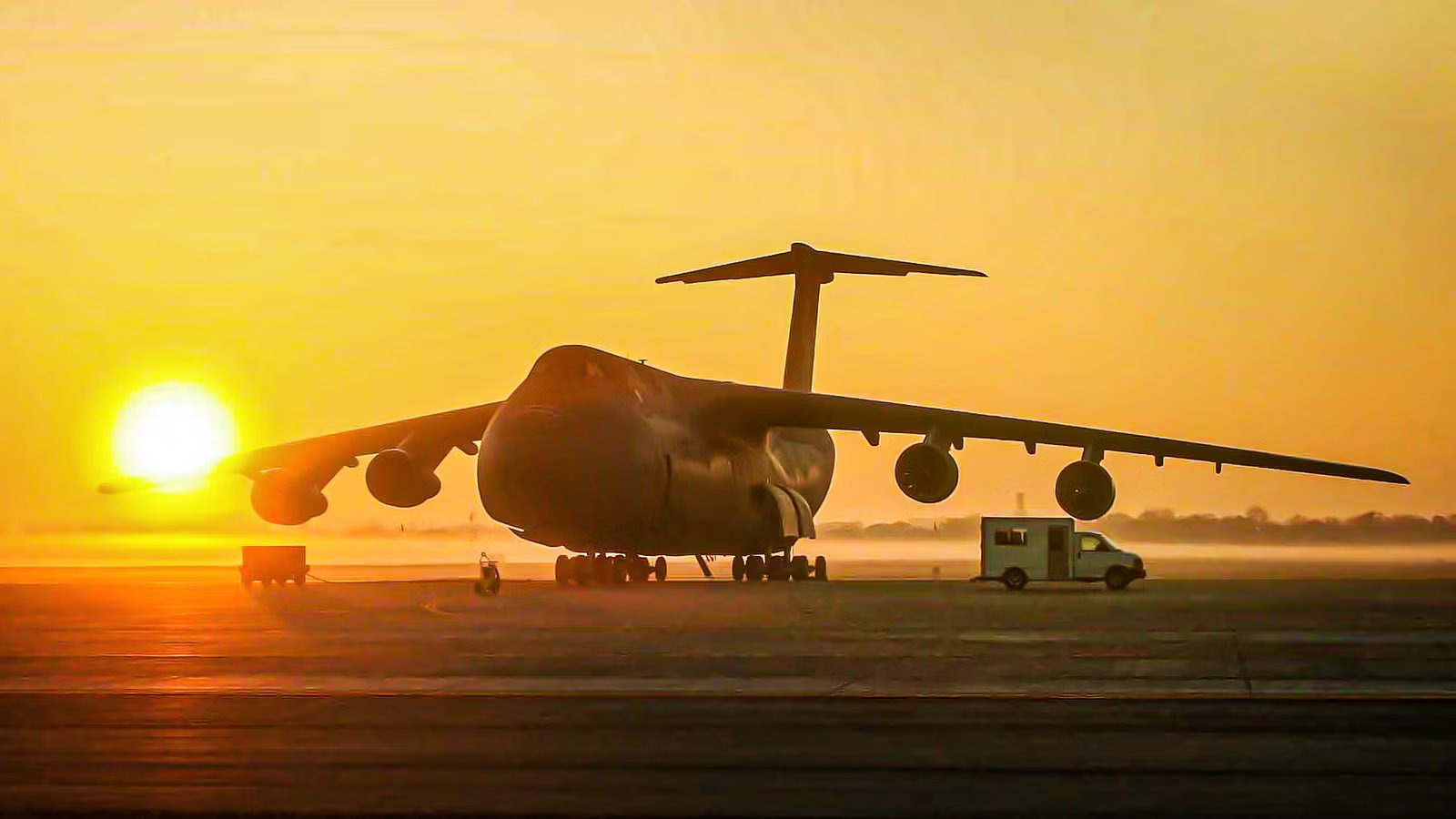
The McDonnell XF-85 Goblin was one of the most unconventional fighter concepts ever tested. Developed in the late 1940s, it was designed as a “parasite fighter” that could be carried inside the bomb bay of the massive Convair B-36 Peacemaker. The goal was to provide long-range bomber escort capability at a time when no conventional fighter had the range to accompany intercontinental missions.
The concept involved launching the Goblin midair to defend the bomber against enemy interceptors, then recovering it using a trapeze mechanism. In theory, this would allow bombers to carry their own defensive fighters deep into enemy territory. In practice, the system proved extremely difficult to operate. Turbulence beneath the B-36 made docking with the trapeze highly unstable and dangerous. Pilots struggled to align the aircraft for recovery, and several test flights ended with emergency belly landings.
Only two prototypes were built, and the program conducted seven test flights. Despite demonstrating that the concept was technically possible, the operational risks were considered too great. The US Air Force canceled the program in October 1949 after a total flight time of just over two hours. Advances in aerial refueling soon made long-range escort fighters more practical, rendering the parasite fighter concept obsolete.
Boeing Model 853-21 “Quiet Bird”
1962–1963

The  Boeing Quiet Bird was a largely secretive program that explored stealth technology long before it became a defining feature of modern military aircraft. Developed in the early 1960s, the project focused on reducing radar visibility through specialized materials and airframe design. A half-scale model was tested at Boeing’s Wichita facility between 1962 and 1963. Engineers experimented with shapes and coatings intended to minimize radar cross-section, resulting in several stealth-related patents. These innovations predated later stealth aircraft programs by more than a decade.
Despite promising results, the concept was not fully understood or prioritized by military leadership at the time. The US Army, which had an interest in the project, did not pursue it further. As a result, the program was shelved before it could progress to a full-scale prototype. Much of the documentation related to the Quiet Bird program was reportedly destroyed in later years, contributing to its obscurity. Its legacy, however, can be seen in the foundational principles that later influenced stealth aircraft development.
The Real Reason Why Boeing Is Building The F-47 Stealth Fighter And Not Lockheed
The jet will be built on stealth, speed, and strategy.
North American YF-107 “Ultra Sabre”
1956–1957

The North American YF-107 was an advanced derivative of the F-100 Super Sabre (pictured above), designed as a nuclear-capable fighter-bomber. It featured several innovative design elements, including a dorsal air intake above the cockpit and a recessed centerline weapons bay. The aircraft first flew in September 1956 and quickly demonstrated impressive performance. Within months, it achieved speeds exceeding Mach 2, placing it among the most capable aircraft of its time. Observers praised its handling and overall design, with some describing it as one of the best fighters never to enter production.
Despite these strengths, the YF-107 faced strong competition from the Republic F-105 Thunderchief. The US Air Force ultimately selected the F-105, citing factors such as program maturity and alignment with strategic requirements. The decision effectively ended the YF-107 program in 1957. Only three prototypes were built, and none entered operational service. The aircraft remains a notable example of a technically successful design that lost out due to broader procurement considerations.
Convair X-6
1946–1961

The Convair X-6 represented one of the most ambitious aviation concepts ever pursued: a nuclear-powered aircraft capable of remaining airborne for extended periods without refueling. The program was part of a broader effort to explore nuclear propulsion for strategic bombers. Using a modified Convair B-36 Peacemaker as a testbed (pictured above), engineers studied the feasibility of integrating a nuclear reactor into an aircraft. The concept promised a virtually unlimited range, which was particularly appealing during the early Cold War.
However, the technical challenges were immense. Shielding the crew from radiation while maintaining acceptable weight proved extremely difficult. Safety concerns related to potential crashes or reactor failures also raised serious questions about the practicality of the concept. After more than a decade of research and substantial financial investment, the program was canceled in 1961.
By that time, advances in intercontinental ballistic missiles and conventional jet technology had reduced the strategic need for nuclear-powered aircraft. Although the X-6 never flew as intended, the program contributed to broader research in nuclear propulsion and highlighted the limits of applying such technology to aviation.
Grumman XF10F-1 Jaguar
1952–1953

The Grumman XF10F-1 Jaguar began as a relatively straightforward development of the F9F Panther but evolved into a far more complex and problematic project. The aircraft was designed with variable-sweep wings, allowing it to adjust its wing configuration for different flight conditions. This feature, while innovative, introduced significant engineering challenges. Combined with unreliable jet engines of the period, the design became increasingly difficult to refine. Changing requirements from the US Navy further complicated development.
The prototype first flew in May 1952 and completed a series of test flights, but persistent issues limited its performance and reliability. By April 1953, the Navy canceled the program, including plans for over 100 production aircraft. Despite its failure, the Jaguar contributed valuable research into variable-sweep wing technology. These insights later influenced aircraft such as the General Dynamics F-111 and the Grumman F-14 Tomcat.
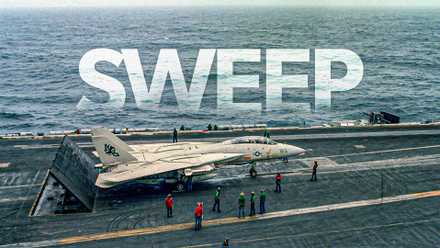
Why The F-14 Tomcat’s Wings Had To Sweep Forward To Land On A Carrier
A closer look at the reasoning behind the plane’s iconic swing-wing mechanism.
Republic XF-12 Rainbow
1945–1948

The Republic XF-12 Rainbow was an exceptionally advanced piston-powered aircraft designed for long-range photographic reconnaissance. With a top speed of approximately 460 miles per hour and a service ceiling of 40,000 feet, it was the fastest multi-engine piston aircraft ever built. A commercial variant was also proposed, intended to carry passengers on high-speed transcontinental routes. However, the economics of producing such an aircraft depended heavily on military orders.
The US Air Force ultimately canceled its requirement for the XF-12, opting instead to rely on existing aircraft such as the B-29 (pictured above) and B-50 until jet-powered reconnaissance platforms became available, such as the SR-71 Blackbird. Without military backing, the program was no longer financially viable. Only two prototypes were completed. One was lost in a crash, while the other was eventually scrapped after being used as a test target. The Rainbow’s impressive performance made it a technological achievement, but its timing placed it at the end of the piston-engine era.
Northrop YA-9
1972–1973

The Northrop YA-9 was developed for the US Air Force’s A-X program, which sought a dedicated close air support aircraft. Designed to be rugged, maneuverable, and capable of carrying a heavy weapons load, the YA-9 met many of the program’s requirements. The aircraft first flew in May 1972 and performed well during testing. Pilots reported favorable handling characteristics, and the design demonstrated strong potential as a weapons platform.
Despite this, the YA-9 faced direct competition from the Fairchild Republic A-10 Thunderbolt II prototype (pictured above). After a series of comparative evaluations, the Air Force selected the A-10 in January 1973. The decision was influenced by several factors, including the A-10’s readiness for production and broader economic considerations. Northrop’s design was not significantly inferior, but it was ultimately passed over in favor of a competing aircraft that better aligned with program priorities. The YA-9 remains a lesser-known example of a capable aircraft that lost out in a competitive selection process.
McDonnell Douglas / General Dynamics A-12 Avenger II
1988–1991

The A-12 Avenger II was intended to replace the Grumman A-6 Intruder as a carrier-based stealth attack platform for the US Navy. Its design featured a flying-wing configuration, optimized for reduced radar visibility. The program represented a significant technological leap, combining stealth characteristics with carrier-based operations. However, it quickly encountered major challenges, including weight growth, technical difficulties, and escalating costs.
By the late 1980s, the projected cost per aircraft had risen dramatically, raising concerns within the Department of Defense. In January 1991, Secretary of Defense Dick Cheney canceled the program after approximately $5 billion had been spent. The cancellation led to legal disputes between the government and contractors, further highlighting the complexity of large-scale defense programs. Despite its failure, the A-12 contributed to ongoing research in stealth technology and naval aviation.
Lockheed L-2000
1964–1971

The Lockheed L-2000 was Lockheed’s proposal for a supersonic passenger airliner intended to compete with the European Concorde (pictured above). The project was part of a US government initiative to develop a domestic supersonic transport. Lockheed’s design emphasized a more conservative approach compared to Boeing’s competing concept, focusing on feasibility and efficiency. However, the Federal Aviation Administration selected Boeing’s more ambitious design, believing it represented a greater technological advancement.
Boeing’s project later encountered significant technical challenges, including issues related to weight and complexity. As costs increased and public concerns about noise and environmental impact grew, support for the program declined. In 1971, the government canceled the entire supersonic transport initiative. As a result, the L-2000 never progressed beyond the mock-up stage, despite being considered a more practical design by some observers.
Northrop YF-23A
1989–1991

The Northrop YF-23 was developed as part of the US Air Force’s Advanced Tactical Fighter competition, which aimed to produce a next-generation air superiority fighter. Competing directly with the Lockheed YF-22, the YF-23 emphasized stealth, speed, and long-range performance. The aircraft featured a distinctive diamond-shaped wing, a V-tail configuration, and advanced infrared signature reduction. It demonstrated impressive performance during testing, including sustained supersonic flight without afterburners, known as supercruise.
Despite these strengths, the Air Force selected the YF-22 in 1991, which would later enter service as the F-22 Raptor. The decision was influenced by factors such as perceived maneuverability and the maturity of the competing design. The YF-23 never entered production, and only two prototypes were built. While it is sometimes discussed among aviation enthusiasts, it remains less widely recognized than other advanced fighter programs. Its design continues to be regarded as one of the most advanced fighter concepts never to reach operational service.