dailynewsnblog
Welcome to Economic Insights, your twice-weekly deep dive into the major projects and policy shifts shaping the Canadian economy.
Stories we are following:
- Ottawa is proposing to amend the Clean Electricity Regulations to allow for more “flexibility” in the use of natural gas for electricity generation.
- Experts warn that Ottawa’s rush to slash project review timelines could trigger litigation that stalls the very projects the government wants to accelerate. Others argue the feds risk green lighting unviable projects that could leave taxpayers on the hook for clean up costs down the road.

Carney’s new energy plan clears the way for natural gas (iPolitics)
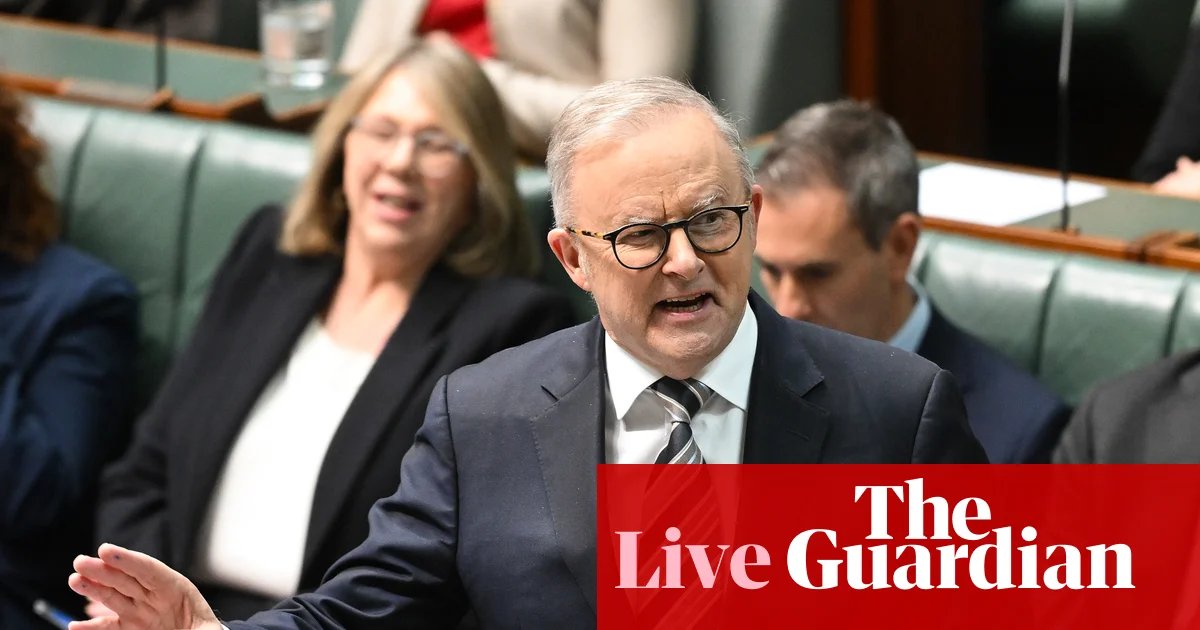
After months of anticipation, Prime Minister MARK CARNEY unveiled his government’s national electricity strategy today. The plan resembles the “Powering Canada’s Future” of 2024, except when it comes to natural gas.
- More flexibility: The strategy proposes changes to the clean electricity regulations and clears the way for natural gas to play a larger role in powering the Canadian grid.
- Climate targets: Government officials in the technical briefing said the changes will likely change Canada’s emissions trajectory.
- Non-committal: Carney said Ottawa will release updated emissions data and modelling in due course, and would not say if Canada is committed to its 2030 targets.
- No more fighting: Alberta is currently seeking a court ruling on the constitutionality of the clean electricity regulations. Pressed on how natural gas will impact emissions, Carney said:
“It doesn’t do us good to be sitting in court all the time with provinces. It doesn’t do us good to be talking past each other. What it does do us good is to come together with specific projects.”
- Hydro-Québec fan: Carney held up Québec as the gold standard for boosting renewables and cutting demand through efficiency. The Bloc Québécois didn’t buy the flattery, though, saying Québec is working alone on this file. They expressed concern that Ottawa might use tax dollars to fund electricity projects in other provinces, “especially Ontario and its costly nuclear buildout.”

Experts warn of risk and potentially costly trade-offs in Carney’s reform plan (iPolitics)
Lawyers and policy advisors tell iPolitics that the proposed changes to the federal project review process could lead to some big wins for reducing duplication, but some measures could backfire if they lead to litigation or huge public cleanup costs.
- Risk transfer: Former federal counsel Clara Conkin says rushing stuff through could end up transferring the risk to the public purse and leave taxpayers on the hook should the project fail. She worked on the $4.4 billion remediation of Giant Mine in Yellowknife.
“We have to make sure that the risks, factors, interests and value components are being addressed. Because if we don’t, we’re not going to gain anything on the economic side either.”
- How, not if: The latest policy package proposing measures like approving projects before they’ve been assessed. Conkin questions how condition documents and co-operation agreements with provinces will work in practice, saying Ottawa may lack the capacity to ensure long-term compliance.
- “Pattern of exclusion”: Assembly of First Nations Grand Chief CINDY WOODHOUSE NEPINAK tells iPolitics her legal team worked all weekend to review the proposed reforms and concluded they threaten First Nations rights in many aspects. She says the one-year timeline for review is unacceptable.
- Court challenge: Torys major projects lawyer CLAIRE SEABORN says some of the measures, like the proposed federal economic zones, present huge litigation risk.
““I think the approach can work, but it is also extremely possible for it to go sideways.”
By the numbers:
2x: The factor by which Canada’s electricity demand is expected to increase by 2050.
$1 trillion: The estimated cost to expand and modernize Canada’s electricity systems between now and 2050.
1 million: The number of Canadian households the government intends to support with energy-saving retrofits and electrification.
Major projects watch:
– Carney confirmed the agreement on carbon pricing with Alberta will be revealed on Friday. Several media outlets report that the province will have until 2040 to reach an effective carbon price of $130 per tonne.
– The announcement will come with a renewed commitment to support Alberta’s pitch for a new bitumen pipeline to the northwest, a project Premier DANIELLE SMITH reportedly said is consistent with the teachings of Jesus (thank the Tyee for this funny write-up).
– Per CP: Enbridge says it is unfazed by rival oil pipeline expansions likely to jockey for oilsands producers’ business. If anything, the stepped-up competition is a good sign, said a senior executive.
– Energy Minister TIM HODGSON, B.C. Premier DAVID EBY and LNG Canada signed a “enhanced co-operation agreement” on Thursday meant to nudge the company towards a final investment decision for Phase 2. The deal does not involve any federal or provincial dollars, but offers general support. The timing of the announcement is to celebrate LNG Canada’s decision to approve hundreds of millions of dollars in additional spending on the project on May 1.
Headlines: