dailynewsnblog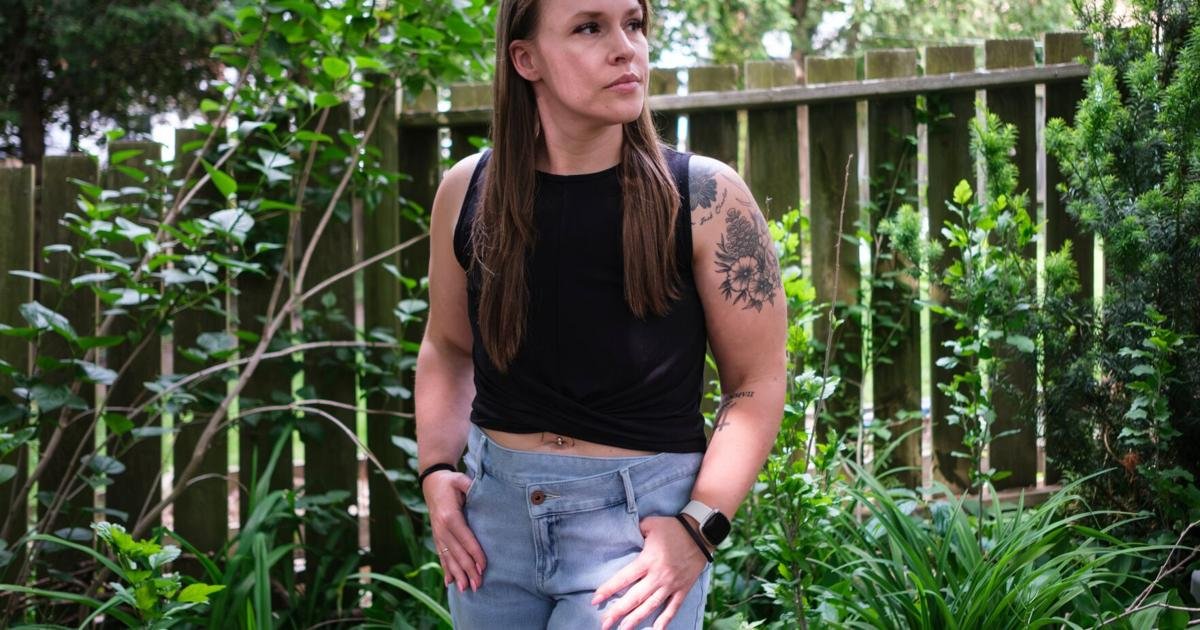
When Beth Marchant first felt a lump in her left breast in the summer of 2022, she chalked it up to a blocked milk duct.
Marchant, a then-32-year-old marketing professional based in Cambridge, was breastfeeding her seven-month-old daughter and felt she was in excellent shape. Still, her family doctor insisted on an ultrasound after she reported the lump.
That scan revealed eight separate growths in Marchant’s chest — not just in her breast, but in her lymph nodes and arm.
Her doctor immediately referred her to specialists at multiple hospitals. But Marchant said she never heard back on when she could get the tests needed to confirm whether the growths were cancerous. As the weeks passed, she said she felt an “all-consuming” pit of worry burrow into her gut.
“Because I was younger, it wasn’t seen as an emergency,” Marchant said. “It was kind of like, ‘Oh, this young lady’s just looking for screening’ — even though I had abnormal ultrasound results already.”
Cancer experts say Marchant’s experience is not an isolated case. They warn that too many young people face difficulties in accessing cancer tests and follow-up care during a period when every delay before diagnosis could prove critical for their outcome. There needs to be more awareness that adults under 50 are not too young for cancer, experts say.
Dr. Jean Seely estimates around 80 per cent of the young patients referred to her Ottawa breast imaging centre from other clinics have experienced delays in getting there.
A striking shift in demographics is worrying doctors who say it’s part of a wider trend showing steep increases of cancer in people under 50.
A striking shift in demographics is worrying doctors who say it’s part of a wider trend showing steep increases of cancer in people under 50.
“I cannot overemphasize how common this story is,” said Seely, head of the breast imaging section of the Ottawa Hospital and a professor of radiology at the University of Ottawa. “I think the overwhelming belief of many physicians, based on past history, is that you only get breast cancer as you get older, and that you don’t get it when you’re in your 20s or 30s or 40s.”
There’s some logic to that. Older individuals are at significantly greater risk of cancer, with roughly 66 per cent of all Canadian cases occurring in people 65 and older. But that’s slowly changing.
Medical professionals are slowly catching on, aided by initiatives like Ontario lowering the screening age for breast and colorectal cancer to 40 and 45, respectively, in recent years. But oncologists and patient advocates say more must be done to prevent younger adults from falling through the cracks.
Beth Marchant’s story
Marchant’s doctor referred her to four different hospitals across Ontario. For more than three weeks, Marchant called each hospital every day, asking when an appointment would be available. And every day, she was told to keep waiting.
Marchant said that was the hardest part of the whole ordeal.
“Those were the weeks where I was like, ‘Am I going to die?’ Nobody has told you you’re not going to die yet,” she said. “I had a seven-month-old baby. Am I even going to live to see this baby grow up?”

Ultimately, Beth Marchant said she managed to book a biopsy and mammogram after more than three weeks of waiting, thanks only to a personal connection.
Giovanni Capriotti for the Toronto Star
Ultimately, Marchant said she managed to book a biopsy and mammogram after more than three weeks of waiting, thanks only to a personal connection — she convinced a family member who worked at Hamilton’s Juravinski Hospital to “literally hand my paper to the lady who became my surgical oncologist.”
It worked. In August 2022, Marchant was diagnosed with stage three metastatic breast cancer. By the time she got the results, the tumour in her arm, once pea-sized, had swollen to the size of a walnut.
“I only got in because I have a family member in the system,” she said. “Lucky for me, but horrible for any other young woman in that boat.”
Ontario’s diagnostic benchmark after an abnormal breast screening is to have the biopsy results ready within seven weeks, according to Seely. That meant Marchant’s time-to-diagnosis fell within the provincial target, despite her concerning ultrasound results.
Once she had that diagnosis, things moved quickly. The next two years saw Marchant undergo eight rounds of chemotherapy, 28 rounds of radiation and a full double mastectomy.
Marchant has been cancer-free since her double mastectomy in January 2023, although she continued receiving treatments for a year and a half.
The rise in cancer cases in people under 50 was first seen in colorectal cancer, but cases of early-onset breast, kidney, pancreatic and testicular cancer are also up.
“Younger women are much more likely to die of their breast cancer because they tend to have more biologically aggressive cancers,” Seeley said.
And yet, more than half of young Canadian patients with this type of cancer said they felt “dismissed due to their age,” while nearly 70 per cent felt they were initially misdiagnosed, according to a 2022 study in Current Oncology.
“Today, people and doctors are a lot more sensitive to (rising early-onset cancer rates) than they were 30 years ago,” said Barry Stein, the study’s corresponding author and CEO of Colorectal Cancer Canada. “But still, patients feel that they’re being dismissed.”
Hyla’s story
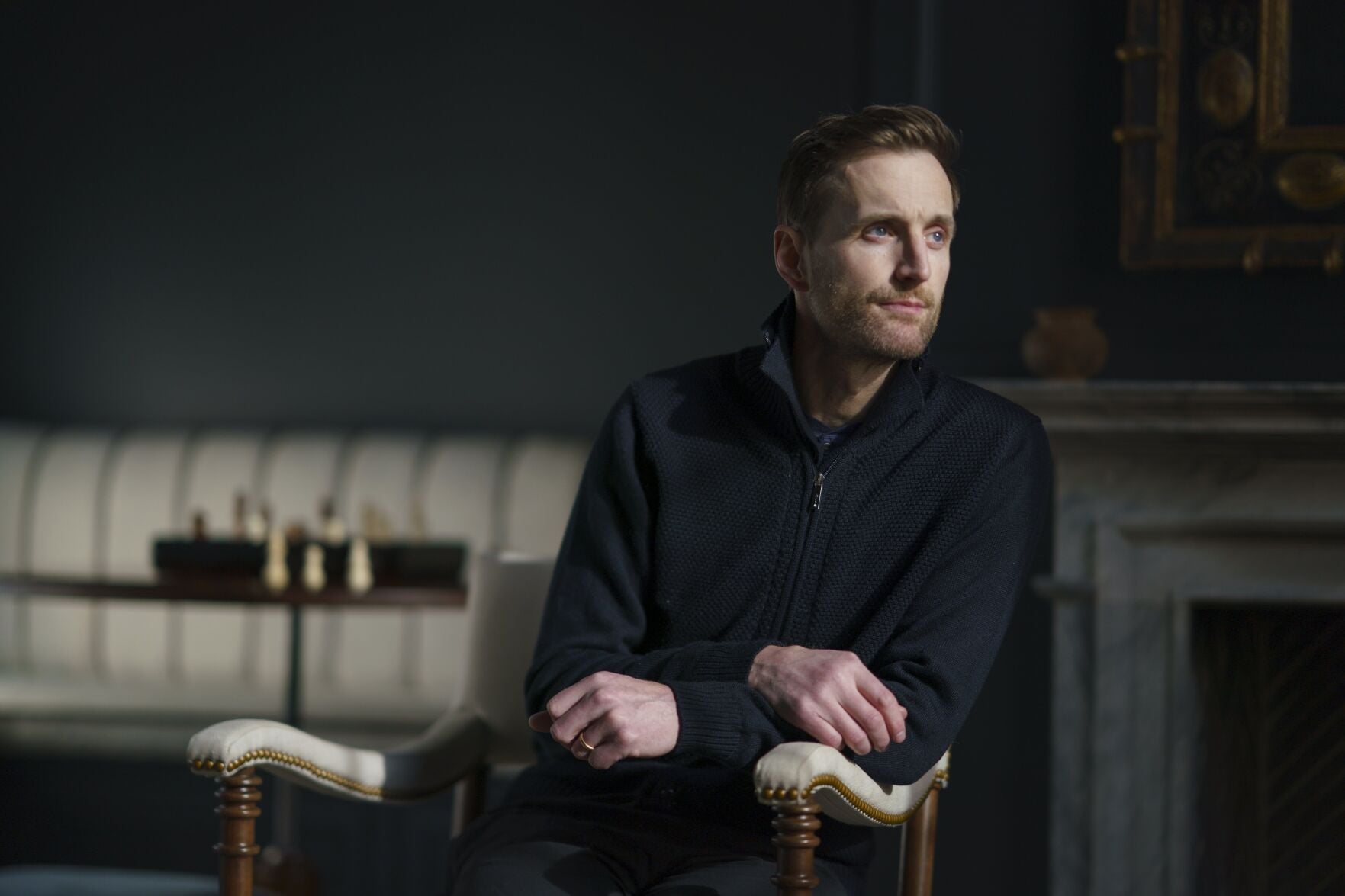
Hyla Korn was 41 when she first went to her family doctor, worried about intense stomach pain and unrelenting diarrhea.
It was December 2023 and Korn, a Toronto lawyer, was hopeful the stool tests her doctor ordered would pinpoint a diagnosis. But the results came back normal even as her symptoms got worse.

Hyla Korn was diagnosed with colon cancer in her early 40s and struggled for months to get a diagnosis, despite debilitating symptoms.
Richard Lautens/Toronto Star
Korn returned to her family health team twice more over the next month, finally pushing her doctor to send her to a specialist. By then, Korn said she felt a persistent pressure in her upper abdomen and was still struggling to manage painful bouts of diarrhea.
That specialist declined to see her, and Korn said there was no further follow-up from her family doctor, despite her repeated requests. It ended up being her endocrinologist — Korn was seeing him for a regular diabetes appointment — who sent her to a gastroenterologist, who then booked a colonoscopy for the end of February.
The test revealed a mass that doctors quickly confirmed was colon cancer. But Korn would have to wait almost six weeks to have surgery — a delay she said was due to a backlog for an MRI needed to determine whether her cancer had spread.
“I kept calling their office every day and saying: ‘Do you have an MRI booked yet?’” said Korn, adding the Toronto hospital would only say they were dealing with long wait times. “I thought: ‘This is puzzling and ridiculous. I have cancer. I need the date for the surgery.’”
Frustrated, and on the advice of a physician friend, Korn said she went to a Toronto emergency department to get fast-tracked for an MRI. The test showed the cancer hadn’t yet spread, and Korn was booked for surgery at the beginning of April — more than four months after her initial family doctor visit. Korn said the tumour removed from her colon was five centimetres in diameter.
Dr. Michael Raphael, a medical oncologist at Sunnybrook Health Sciences Centre who leads the hospital’s young adult colorectal cancer clinic, said it’s common to see patients who both struggle to get the initial diagnosis and then face delays getting “triaged” into the cancer system.
Health-care professionals “might see a 30-year-old and triage it lower, thinking I’ll see them in six months, as opposed to somebody who is 50 or 60,” said Raphael, who was not involved in Korn’s care or treatment. It’s led some of his younger patients to wait months for diagnostic imaging or to see a specialist.
For gastrointestinal cancers, his specialty, Raphael said younger adults who go to their doctor with abdominal pain or blood in the stool are frequently told they have benign conditions, such as irritable bowel syndrome, hemorrhoids or fissures, because cancer is not “front of mind” for this age group.

Supervised exercise programs, which cost about $3,000 per patient over three years, boost survival rates, study shows.
Supervised exercise programs, which cost about $3,000 per patient over three years, boost survival rates, study shows.
“The patients we see feel that their symptoms are disregarded constantly,” said Raphael. “We’ll see people who had abdominal pain or blood in their stool for months at a time, and they were sort of reassured that it’s nothing to worry about. The thought of cancer didn’t cross their mind, and perhaps didn’t cross their physician’s mind.”
Now cancer-free, Korn said she is still recovering from the emotional and financial strain of facing the disease at a younger age.
Korn ended up needing chemotherapy following her surgery and had to race to freeze her eggs before starting the treatment that could put her in early menopause. She also had to put her new job on hold — she was diagnosed one week after accepting a new position — and was forced to take out a second mortgage to cover the bills. Korn, whose parents are no longer alive, said she relied on her close friends and family to get through the toughest weeks.
Her experience, she said, has shown her how important it is to be your own advocate. Though she has since found a new family doctor who takes her complaints seriously, Korn worries about people new to Canada or those who don’t have English as a first language.
“They might not be familiar with the health system. Who is going to advocate for them?”
Medical views changing, slowly
Seely said the medical profession needs a “paradigm shift” regarding the belief that only older people get cancer. As more research comes out, and more media attention is paid to the issue, she believes we’re slowly moving in the right direction.
“I’m an optimist, and I do think that this is changing — but probably not fast enough,” she said. “We need to change it quickly because otherwise we are having people die of delayed diagnosis.”

Research has also shown that people born after 1980 have a higher risk of developing colorectal cancer at younger ages than those born in previous
Research has also shown that people born after 1980 have a higher risk of developing colorectal cancer at younger ages than those born in previous
Stein agrees, adding that Ontario’s recent moves to lower the minimum screening age for breast and colorectal cancer are a good step.
“It’s not just about provincial policy changes. What they are is a validation of what the patients and the caregivers have been saying all along,” he said, adding that the lowered screening age will help spread awareness, as a symbol of cancer’s shifting demographics.
Raphael countered that a screening age of 45 can still lead doctors to rule out cancer in patients younger than that. He said a patient with potential symptoms should undergo testing, regardless of age.
It can feel “incredibly frustrating” to have your signs and symptoms dismissed by a health-care practitioner, Stein said. If you’re in such a situation, he recommends getting a second opinion from a different physician.
“If it’s a serious case, go to the emergency room at the hospital and don’t leave until you’re seen,” he said. Stein also recommends keeping a log of symptoms and how they develop over time, which can help inform a physician’s decision.
In the end, “we have to be our own biggest advocate,” Marchant said. “We have to be the squeaky wheel. It sounds awful and it’s not fun to be that person calling every day… but that’s how we get seen, unfortunately.”
“If we’re not advocating for ourselves, nobody else is going to, because nobody else knows our bodies like we do.”