dailynewsnblog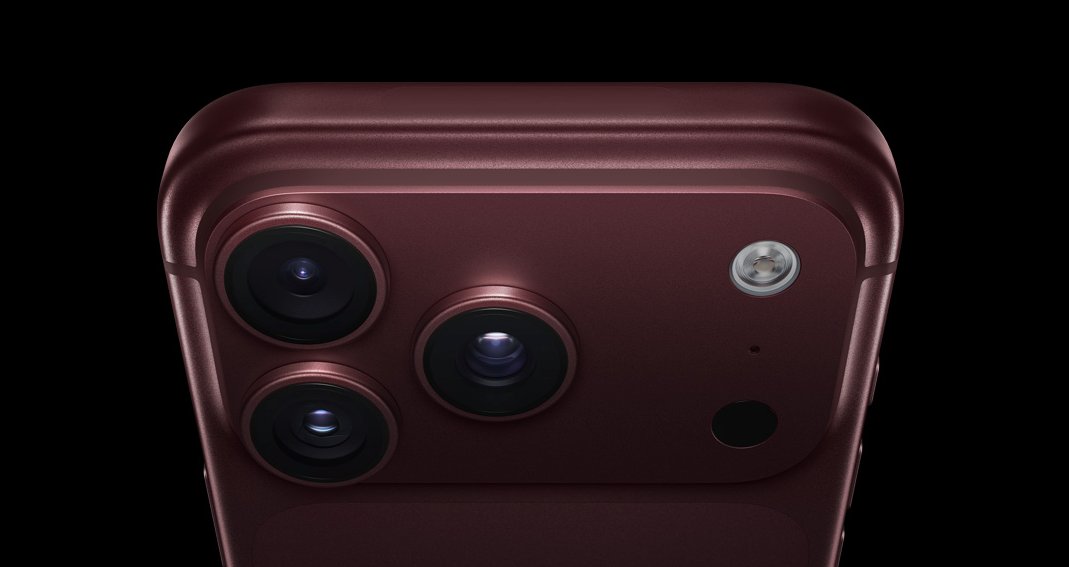
I wrote recently that I will never completely replace my proper cameras with a smartphone camera, and that’s still true. But Apple’s latest iPhone 18 Pro and Pro Max, which debuted on Wednesday at its “Surprise and Shine” event, have a host of new upgrades that I hope will make me more keen to leave my camera behind and enjoy a photo walk using just the phone. From the new variable aperture and updates to Photographic Styles, there’s plenty that caught my attention.
It’s no surprise that the new iPhone 18 Pro models are packed with top tech. After all, they’re aimed at showcasing the best the company has to offer — not counting the new foldable iPhone Duo. I’m sure the new A20 Pro chip will be lightning fast and the better battery life a welcome boost, but as a professional photographer, it’s always the cameras that excite me most.

So why then have I been moaning about camera phones? There are a number of reasons, but my biggest gripe about phone cameras is their overreliance on image processing. Photos increasingly look extremely fake, with artificially lightened shadows and highlights pulled back, which give shots an otherworldly “HDR effect” that looks anything but real. Even top phones like Oppo’s Find X9 Ultra can take stunning images, but you have to circumvent all of the phone’s processing by shooting in raw to get the best from them.
Apple’s iPhones have always offered a more natural look than rivals like Samsung, Oppo or Google — it’s why a shot I took with the iPhone 14 Pro was shortlisted for a major photography award — and assuming the iPhone 18 Pro continues that trend, then it’ll already be on to a good thing. One of my top updates to the iPhone is the new Pro controls, which let you adjust settings like white balance and aperture.
Sure, most Android phone owners will know that manually adjusting white balance has been a feature on almost every Android phone for many years, but it’s the first time we’ve seen it baked into the heart of the camera experience on an iPhone. With those settings to tinker with, I’ll be able to take full control of what my image looks like — I don’t have to just accept whatever auto settings an algorithm spits out.

And the same goes for the new control in Apple’s Photographic Styles. We loved the creative options these opened up when they first launched on the iPhone 13 range, and the 18 Pro takes that further with more styles and more creative tweaks like the ability to add realistic film grain.
For me, this feels like I can spend some time crafting a look in camera for my images that becomes the default whenever I open my camera app, so I don’t have to mess around with it when I’m out and about. I can snap away, safe in the knowledge that the look I want for my photos will persist.

iPhone 18 Pro and Pro Max
Pre-arranging my preferred photo settings like that is how I shoot with my Leica Q3 43 mirrorless camera. I love Leica’s Chrome film look and basically leave that permanently activated along with a warm white balance, and I adore the look of my shots straight out of the camera. I want that from my phone — glorious images right when I tap the shutter button without having to spend hours editing my photos later. Google recently launched its own take on Photographic Styles, called Camera Looks, on the Pixel 11 Pro, and I had a great time testing these out on my photowalk in Paris.
I’m also very curious about the new variable aperture Apple introduced on the Pro’s main camera. We’ve seen these before, most notably on Xiaomi’s 14 Ultra, which allowed me to take beautiful images at night with real starburst effects around points of light by intentionally using a narrow aperture.

Strictly speaking, it’s nighttime when you’d want to use a wide aperture to let in as much light as possible, and indeed, I’m keen to see how my shots look with the new tech in both broad daylight and after the sun goes down. But it comes down to one thing again: Having creative control. I want those options so I, the photographer, can take images exactly as I decide.
OK, fine, there are some things I moaned about with phone cameras that the iPhone 18 Pro still can’t address. It’s still a phone, so notifications will still pop up, which I’ll find distracting. I still won’t be able to hold it like a proper camera unless I also have to carry a case with a grip attached. And no, when I get commissions for commercial photography jobs, I won’t be turning up with just my iPhone — even though I did use the iPhone 17 Pro alongside a pro cinema camera for a coffee roastery film.

And that’s why it won’t outright replace any of my ‘real’ cameras. But I don’t need it to — I just need it to offer a genuinely good photographic experience that encourages me to take it out shooting when I don’t want to be burdened with a full camera slung around my neck. I’m not asking for huge changes, just a focus on core image quality over AI trickery and enough creative options to keep the artist in me interested.
So far, it looks like the iPhone 18 Pro has what I want, but I’ll be reserving my final judgment for when I can take one out and put it to the test.

See full bio