dailynewsnblog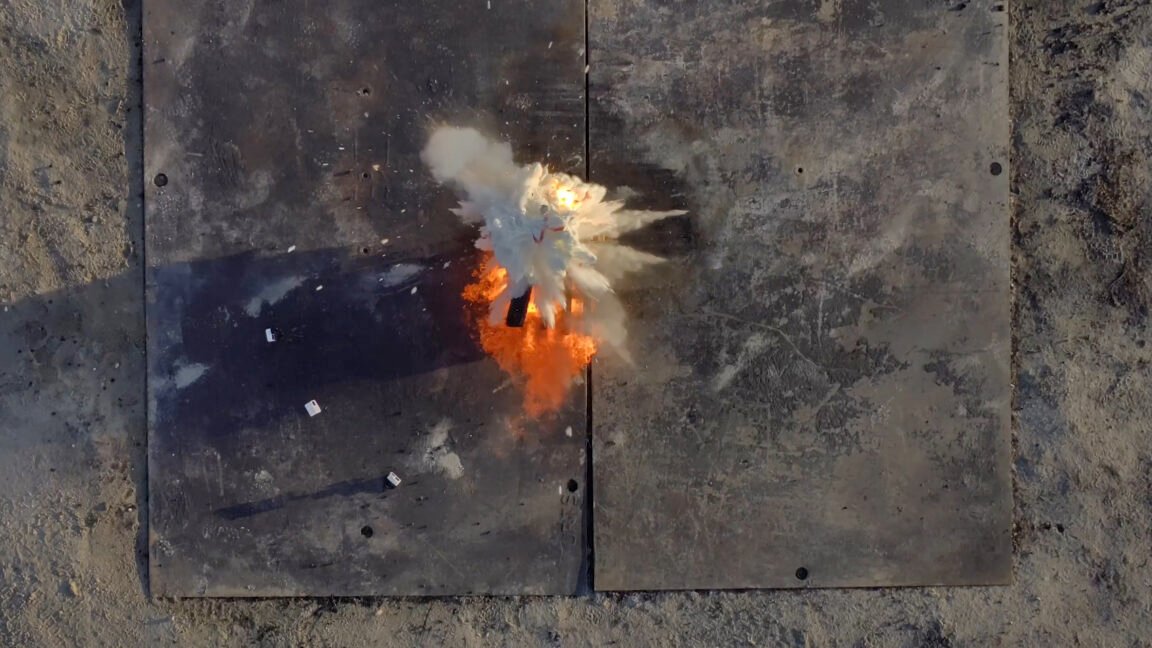
The first-place winner of $500,000 was the UK-based SIRIUS Wildfire Alliance. That organization offered a system capable of identifying and modeling the potential spread of wildfires, drawing upon both optical and radar data from satellites.
A prize of $250,000 went to second-place winner Team Snuffed based in Arizona. The competition’s press release credited Team Snuffed with providing “transparent, auditable and uncertainty-aware wildfire detection,” and highlighted the solution as being especially user-friendly for firefighters.
Special recognition prizes of $100,000 each went to MyRadar based in Florida, DeepFire based in Louisiana, and the German company Mayday.AI that adapted an algorithm originally designed for detecting volcanic ash to help detect wildfire smoke through cloud cover.
Send in the drones
Rapid detection of wildfires is one challenge, but getting firefighting resources to the scene fast enough to stop the spread is another. Teams competing in the autonomous wildfire response track put their technologies to the final test in the sparsely developed rural landscape of Nenana, Alaska, near Fairbanks in June 2026.
The finalists typically deployed ground-based sensors and sometimes drones to help detect wildfires across a 386-square-mile area of Alaska, approximately the size of the San Francisco Bay Area in California or San Antonio in Texas. Once a high-risk fire was detected, they launched their own versions of firefighting drones that flew to the scene and attempted to suppress the fire.
All three finalists successfully detected the high-risk fire in under 10 minutes, while two of the three also deployed drones that attempted to put the main fire out. But none quite managed to fully extinguish the blaze, which is why the grand prize ultimately remained out of reach in this track as well.