dailynewsnblog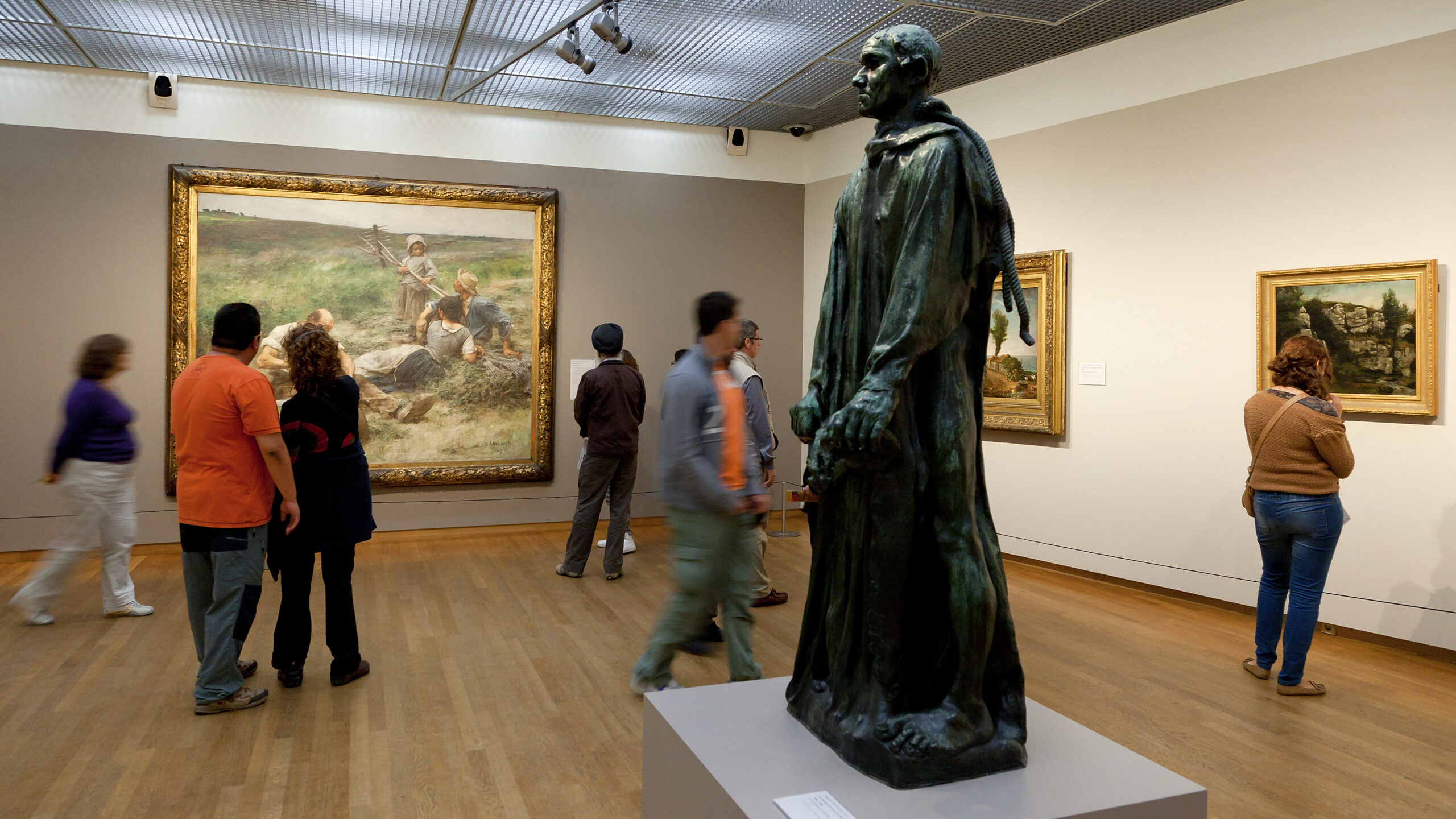
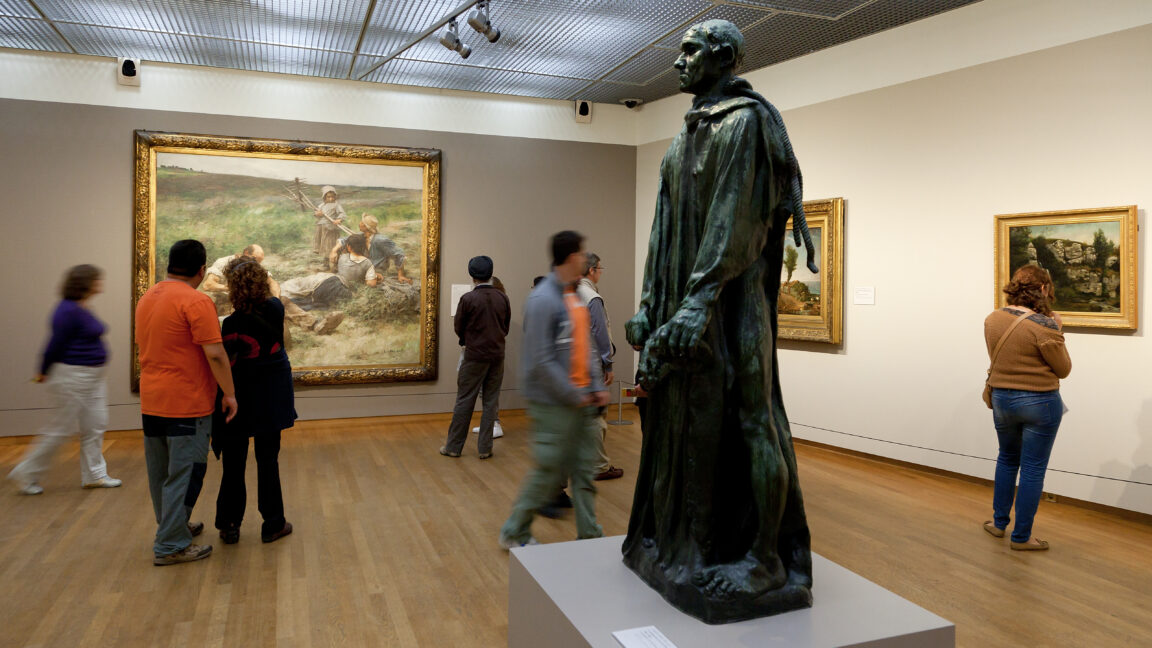
The authors’ model, named pathway multinomial logit or “pathway MNL,” does not reveal causal effects, they caution, but the associations they uncover are informative for museum professionals.
Multimedia guide users largely visited recommended artworks in the suggested order. Lisa van den Bos, product manager for digital education at the museum while the study was underway, expressed surprise that even subtle ordering changes on the guide impacted traffic patterns. “We actually have a lot of power in how we move people through,” she said.
Visitors sought variety in time period and size but consistency in subject and theme, the team found. Time pressure also affected choices; as time elapsed within a given visit, people were more likely to prioritize seeing masterpieces.
Perhaps surprisingly, the data revealed that congestion can increase engagement. “When there are more people, at least up to a certain number…people are more likely to go and view artworks that they probably wouldn’t have seen,” said Deshmane. Crowding around a painting may also be seen as a signal of quality.
Rearranging permanent collections can be tricky due to space or thematic constraints, but museums can often experiment with exhibition or gallery spaces, where shorter time frames and lower infrastructural requirements allow easier changes, said Deshmane.
Rather than actually moving pieces, the researchers used a simulation to generate new layouts and predict likely visitor reactions. Based on their simulations, they found that moving highly attractive art from leaky spots (e.g., stairs or lifts) and strategically swapping pieces could lead to visitors seeing more art—and staying for longer—without undermining curatorial aims. Additionally, data-informed planning of digital layouts, even without accompanying physical moves, may help visitors understand art through new perspectives, said Gundy van Dijk, the museum’s head of education and interpretation.