dailynewsnblog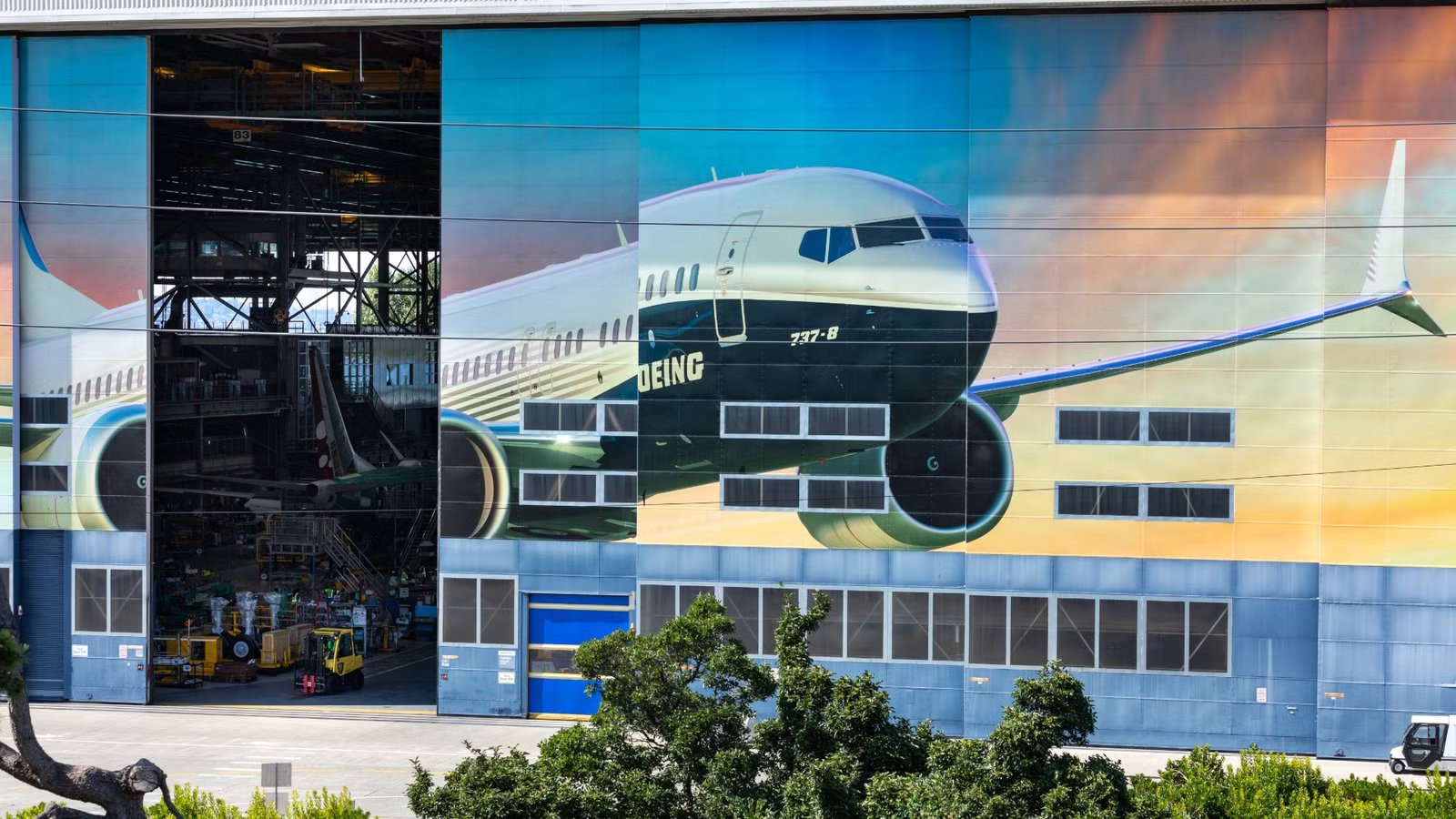
 Boeing is facing a delay in its effort to increase Boeing 737 MAX production, with wing manufacturing at its Renton, Washington, facility emerging as the main constraint. CEO Kelly Ortberg said on September 16 that Boeing is working to stabilize production at 47 aircraft per month, but the transition from 42 has taken longer than expected, Reuters reported. The setback is particularly significant because the company ultimately aims to raise output to 52 aircraft per month, with a longer-term possibility of reaching as many as 63.
The production challenge comes as Boeing attempts to rebuild its commercial aircraft manufacturing system after years of disruptions and regulatory restrictions. While the broader 737 MAX supply chain is described as being good, Boeing has not achieved the expected improvement in the flow of wings through Renton. Meanwhile, the manufacturer has recently opened its new North Line in Everett, Washington, which will be essential to supporting the next production increase.
Boeing’s 737 MAX Ramp-Up Hits A Wing Constraint

Boeing has already reached a production rate of around 47 737 MAX aircraft per month, but Ortberg emphasized that the rate has not yet stabilized. The move from 42 aircraft to 47 has taken longer than expected, meaning Boeing cannot assume the higher rate is sustainable. The company produces all of its 737 MAX wings at Renton, making the facility a critical point in the entire final-assembly process.
The problem is not being attributed primarily to engines or the wider supplier network. Ortberg said Boeing’s supply chain is in good shape, but the anticipated improvements in wing production flow have not materialized within the expected timeframe. That means increasing final assembly faster would risk creating an imbalance between aircraft production and the availability of completed wings.
Once the 47-per-month rate is stabilized, Boeing intends to move toward 52 aircraft monthly. However, the company also needs its new North Line in Everett to become certified and fully operational before that increase can take place. Boeing officially began 737 production at the Everett facility in July 2026, marking the first time in more than five decades that it has built the 737 outside Renton.
The North Line Is Critical To Future Growth

The Everett North Line is designed to provide Boeing with additional 737 production capacity and greater flexibility as demand continues. Boeing says the facility will help protect production stability by reducing dependence on a single location while providing additional space for aircraft requiring longer production flows. The manufacturer’s existing 737 MAX backlog extends production well into the 2030s.
For Boeing, however, adding another final-assembly line does not eliminate the need to solve upstream constraints. The Renton wing operation remains central because every MAX aircraft requires wings before final assembly can be completed. Consequently, Boeing needs to improve the flow of wings while simultaneously establishing the Everett line before it can comfortably move beyond the current 47-aircraft rate.
Boeing 737 Production Target | Status |
42 aircraft/month | Previous production rate |
47 aircraft/month | Current target, not yet stabilized |
52 aircraft/month | Next planned increase |
Up to 63 aircraft/month | Longer-term possibility |
The production delay also shows why Boeing is approaching recovery in stages rather than immediately trying to maximize output. The company first needs consistent performance at 47 aircraft per month, followed by certification and production activity at Everett, before moving to 52. A longer-term rate of 63 aircraft monthly therefore remains a future possibility rather than an immediate production target.
MAX 10 And 777X Certification Updates

Boeing’s production plans are unfolding alongside important certification developments. The Boeing 737-10, the largest member of the MAX family, has completed its required flight and ground testing, according to Ortberg, and Boeing is now completing the documentation required for Federal Aviation Administration ( FAA) certification. Boeing has previously said that the aircraft is approaching the final stages of its certification program.
The Boeing 777-9 faces a more complicated certification path. Boeing has not yet received approval to begin ETOPS testing, while additional work remains on the certification plan for a GE Aerospace GE9X engine issue involving the middle seal. As a result, some 777-9 flight testing could continue into 2027, although Boeing still targets deliveries that year.
Meanwhile, Boeing’s 787 program has stabilized at approximately eight aircraft per month, with the company targeting 10 per month by the end of 2026. However, deliveries may remain uneven due to issues with passenger-seat supply and certification. Along with the 737 MAX wing constraint and 777X certification work, these developments show that Boeing’s production recovery still depends on solving several bottlenecks across its commercial aircraft portfolio.