dailynewsnblog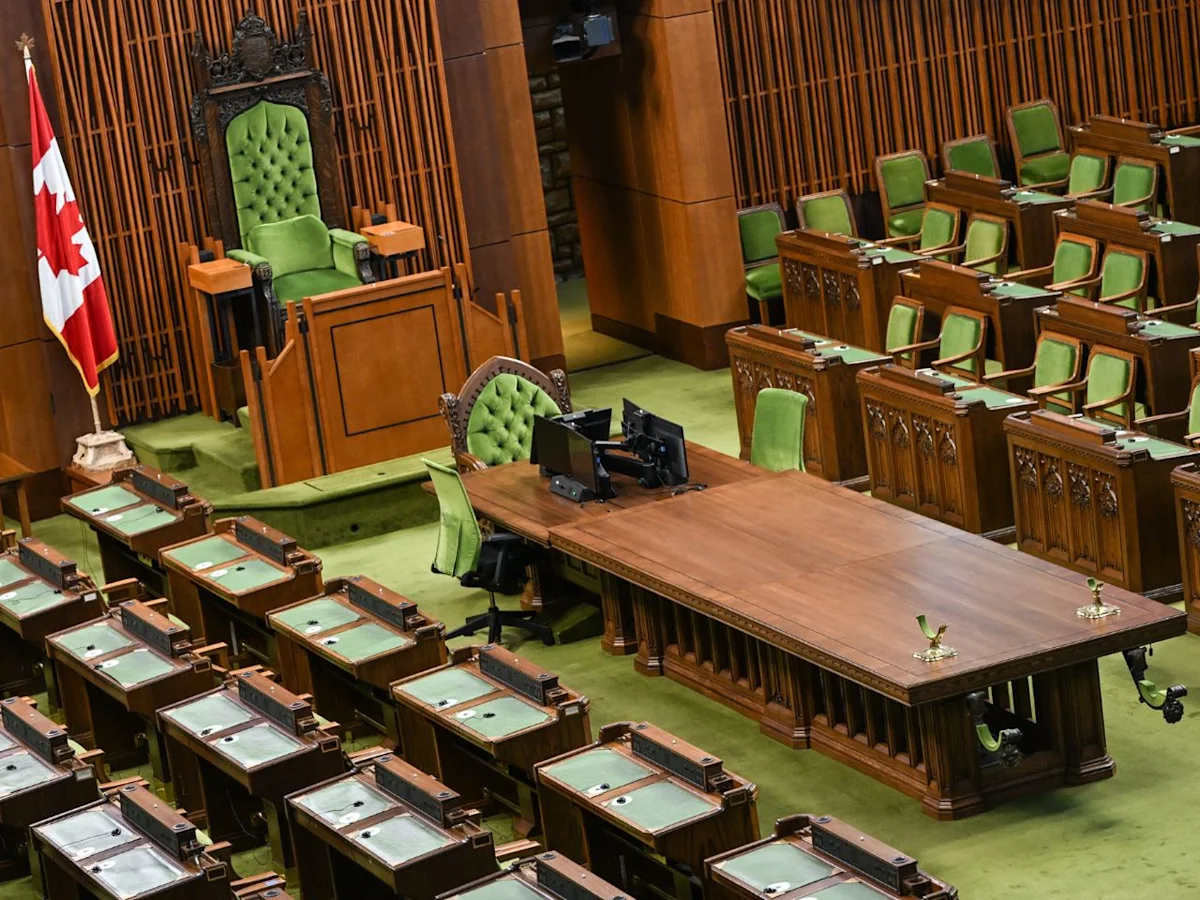

New MPs are run through a “members’ orientation program” in which they learn about House of Commons procedures, their financial resources, administration, ethics, disclosure and so on. No doubt, like judges, they also get DEI training, so they can stand on guard against systemic ills of one kind or another.
I’m not a big fan of compulsory education for adults but if that battle has been lost, it would be good for new MPs to get instruction in basic economics — as a guard against systemic policy malpractice of the sort we’ve known in recent years.
Non-economists have the impression, sometimes encouraged by economists, that economics is very technical and difficult. It’s true the average research paper produced by, say, the National Bureau of Economic Research in Cambridge, Mass., will be very hard for the average person to read. Many are hard for the average economist to read.
But the important parts of economics couldn’t be easier. What incentives do people face and how do they respond to them?
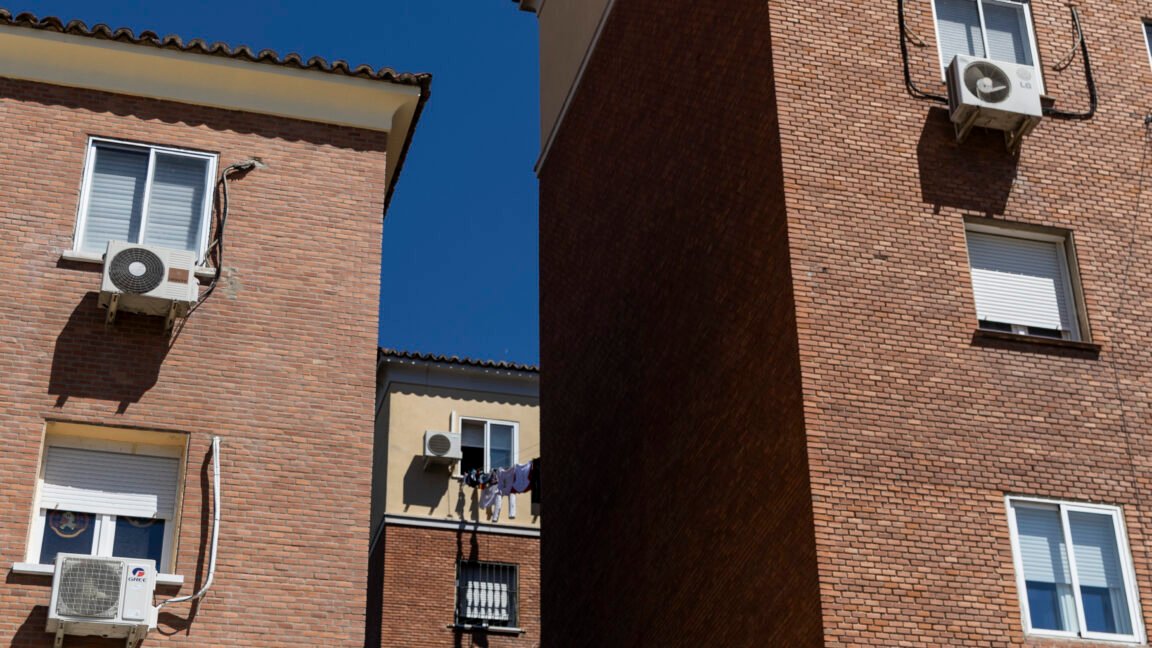
The new socialist mayor of New York, Zohran Mamdani, is bringing back the old socialist idea of rent control, which remains alarmingly popular. Renters don’t like that New York rents are high so he’s going to control rents. How do renters respond? With gratitude, to begin with: who doesn’t appreciate paying less? But over time, they stop moving. If they do move, they may have to pay the market price. Only by staying put do they benefit from the price control. With people stuck in place, units become hard to find. New York City’s first experience of rent control, beginning in the 1940s, ended with very old people — many with very good incomes — living in the same apartment for decades.
If you’re a landlord, how do you react to the new socialist limit on the rent you can charge? You survive on the difference between it and your costs. If you can’t raise the rent, you have to reduce costs. You can try to squeeze the prices your suppliers charge you. But if the mayor’s not controlling their prices, too, you may just have to buy less from them. Which means less re-painting of units, cleaning of ventilation systems, maintaining of plumbing, etc., etc. What other choice do you have?
How about new builds or new would-be landlords? Same problem. Who wants to invest in a business where you can’t raise your price? The long-term pain that follows the short-term palliative of rent control is that the supply of rental units dries up. Why do you think condos, rather than apartments, became the norm in so many places?