dailynewsnblog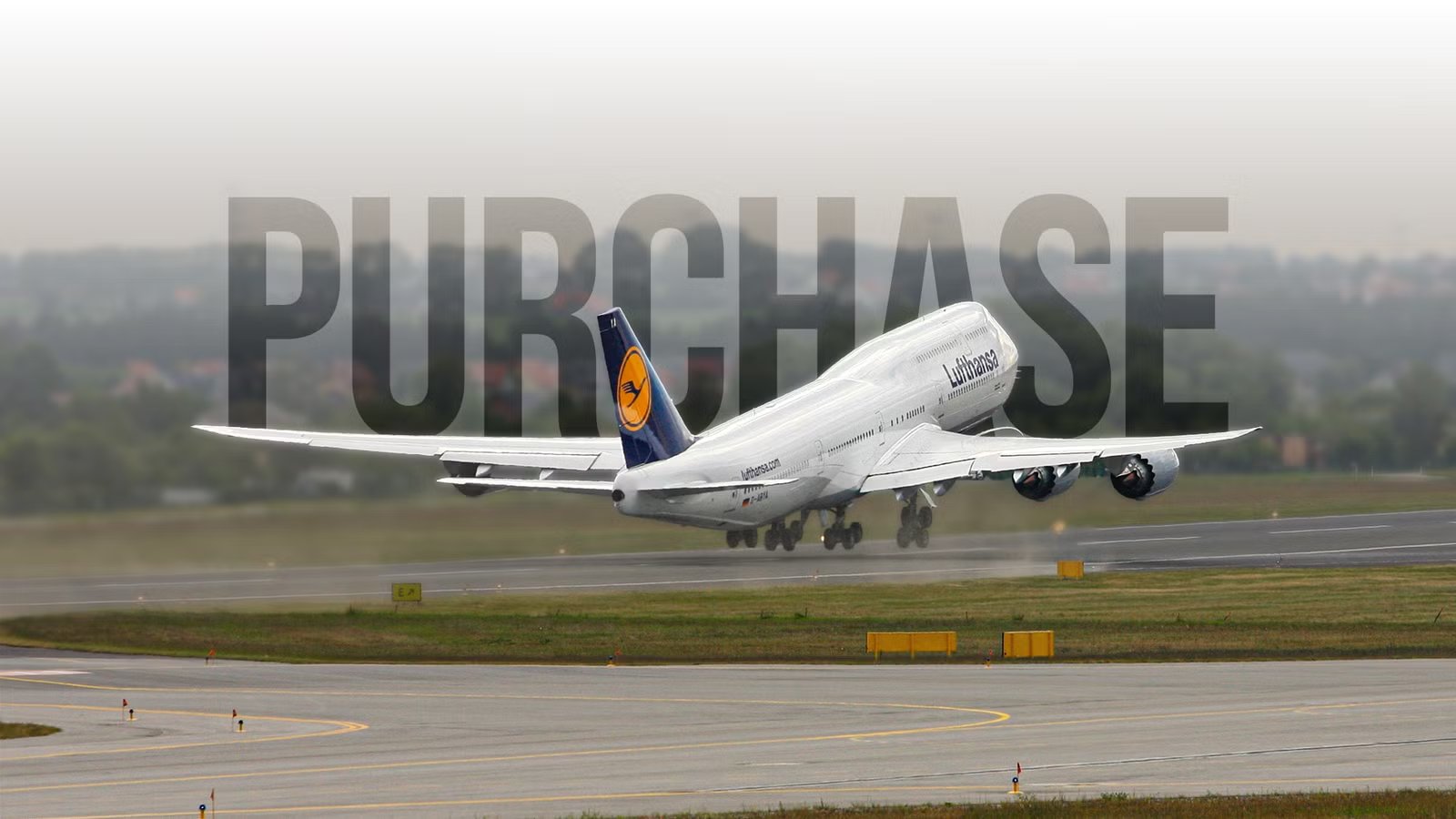
The US Air Force (USAF) is buying two  Lufthansa Boeing 747-8s in 2026, but the move is less about adding aircraft and more about managing the fallout from the badly delayed Air Force One replacement program. Boeing’s VC-25B jets were originally supposed to arrive in 2024, but that timeline has slipped by years, forcing the Air Force to think more seriously about how it will train crews and support a future 747-8-based presidential fleet before the new aircraft are even ready.
That helps explain why Lufthansa’s jets have become so valuable. The 747-8i is no longer in production, and the Air Force has said the aircraft are being acquired to support training and spare parts for the future fleet. In that sense, this is not really a story about the Air Force quietly buying used jumbo jets. It is a story about a troubled presidential aircraft program, a shrinking supply of 747-8 airframes, and the increasingly expensive steps now needed to keep the transition on track.
The Current Air Force One Fleet Dates Back To 1990

Before getting to the Lufthansa purchase, it helps to understand what the current Air Force One fleet actually is. Today, the president primarily flies on two specially modified Boeing VC-25A aircraft, military versions of the 747-200B that entered service in 1990 during the George H. W. Bush administration. While “Air Force One” is technically just the call sign for any Air Force aircraft carrying the president, the term is most closely associated with these two 747s.
The VC-25As replaced the older VC-137 presidential aircraft, which were based on the Boeing 707. Moving to the 747 gave the White House a much larger platform for long-range travel, greater onboard space for staff and communications systems, and a more capable aircraft for presidential transport. They are operated by the Presidential Airlift Group at Joint Base Andrews and are designed not only for transportation but also as a secure airborne command post when needed.
More than three decades later, those same aircraft are still flying, which is a big reason the delayed transition to the VC-25B matters so much. The replacement jets are based on the newer 747-8, but repeated setbacks have kept the current fleet in service longer than originally expected. That long overlap between an aging presidential fleet and a delayed replacement program helps explain why the Air Force is now taking additional steps to prepare for the eventual transition.
The Core Reason: Air Force One’s Catastrophic Delays

The Air Force’s decision to buy two Lufthansa 747-8s is not really about expanding the presidential fleet. It is about buying time as the long-troubled VC-25B program continues to slip further behind schedule. Boeing won the contract in 2018 to turn two 747-8s into the next Air Force One aircraft, and those jets were originally supposed to arrive in December 2024. That timeline has long since fallen apart, with the program now pushed to at least mid-2028, while a senior White House official said earlier in 2025 that delivery could slip to 2029 or later.
Those delays matter because the Air Force cannot simply wait for the new aircraft and sort everything out later. The current VC-25A fleet is based on the far older 747-200, while the replacement VC-25B is built around the much newer 747-8i, an aircraft with different systems, support needs, and training requirements. The Air Force has said the Lufthansa jets are being acquired as part of its “presidential airlift acceleration efforts” to support training and spares for the future 747-8 fleet, making clear this is a practical response to a delayed transition rather than a separate prestige acquisition.
In other words, the Lufthansa deal is really a symptom of how troubled the Air Force One replacement effort has become. Reuters reported that the two aircraft will cost about $400 million and that one is expected to arrive in early 2026, with the second following before the end of the year. Instead of waiting for the VC-25Bs to finally enter service, the Air Force is building out the training and sustainment side of the 747-8 operation now, because the replacement program has taken so long that those support needs can no longer be deferred.
Why The Air Force Is Buying Lufthansa’s 747-8s Specifically

The Air Force is not buying Lufthansa’s 747-8s simply because they happen to be available. It is buying them because the future Air Force One fleet is also based on the 747-8i, which is no longer in production. Air Force spokesperson Ann Stefanek told The War Zone that the purchase is meant to support training and spares for the future presidential 747-8 fleet, adding that the 747-8i is “no longer in active production” and is very different from the older 747-200 that currently serves as Air Force One. In other words, the Air Force needs real 747-8 airframes now if it wants to build a training and sustainment pipeline around the aircraft that will eventually replace the VC-25As.
Lufthansa’s aircraft make particular sense because there are very few passenger 747-8s left in airline service anywhere in the world. Boeing ended 747 production in 2023, so the Air Force cannot simply order new airframes from the factory. At the same time, only a small group of airlines still operates passenger 747-8s on scheduled flights, and Lufthansa remains one of the biggest and most visible examples. That makes Lufthansa one of the few realistic sources for the exact aircraft type the Air Force needs.
There is also a practical reason this deal points to Lufthansa specifically, rather than any other used jumbo jet on the market. The Air Force does not need an old 747 in general. It needs the newest passenger version of the 747, one close enough to the VC-25B baseline to be useful for crew familiarization, systems training, and long-term spare-parts support. That is why this purchase is so specific. The Air Force is effectively buying access to a shrinking pool of highly relevant aircraft before that pool shrinks further.
What The Air Force Is Paying And What Each Jet Will Do

The Air Force says it is spending about $400 million to acquire the two Boeing 747-8s. The two aircraft will not serve the same purpose. Reporting indicates that one jet will remain operational and flyable, at least initially, and will be used for pilot and flight engineer training on the 747-8 platform. That matters because the future presidential fleet is based on the 747-8i, which is a very different aircraft from the 747-200-derived VC-25As currently in service, according to CNN. Bringing a real 747-8 into the Air Force inventory gives the service a dedicated platform to build its training pipeline around, rather than relying entirely on outside arrangements.
The second aircraft is expected to serve as a dedicated source of spare parts from the outset. Since the 747-8i is no longer in production, sourcing components for long-term sustainment will only get harder over time. That makes the second jet valuable even if it never flies in operational service, because it gives the Air Force a controlled stock of airframe-specific parts to support the two future VC-25Bs. In that sense, the $400 million price is really buying two things at once: a flying training asset and a long-term sustainment buffer for a highly specialized, increasingly hard-to-source aircraft type.
The End Of 747 Production Has Made Spare Parts More Valuable

The Air Force is preparing to operate one of the smallest and most specialized 747-8 fleets in the world. That creates a long-term support challenge because Boeing ended 747 production in 2023, closing off the option of sourcing newly built airframes or relying on a continuing production line for future fleet support.
For a niche government fleet that will likely remain in service for decades, that changes the value of existing aircraft dramatically. That is why one of the Lufthansa jets is reportedly being acquired primarily as a parts source rather than as an aircraft intended to remain in regular service.
The value is not in adding another operational jumbo jet. It is in securing a stock of major components, structures, and systems from the exact aircraft type the Air Force will soon depend on for presidential transport. In effect, the Air Force is buying insurance against the logistical realities of maintaining an out-of-production aircraft with a very limited global fleet.
This Purchase Shows How Troubled The VC-25B Program Has Become

The Lufthansa purchase also highlights how far the VC-25B program has drifted from its original expectations. Boeing’s contract for the new presidential aircraft was awarded in 2018, and the first delivery was initially expected in December 2024. That timeline is now years behind, with reporting indicating the first aircraft may not arrive until 2028 and earlier White House comments pointing to 2029 or later.
What makes that notable is not just the delay itself, but the extra steps now required around it. Rather than moving directly into the next presidential fleet, the Air Force is also having to invest in the supporting pieces needed for that transition, including training and sustainment capacity tied to the 747-8. In that sense, the Lufthansa acquisition shows how the longer timeline has expanded the scope of what the Air Force needs to do before the VC-25B can fully take over.