dailynewsnblog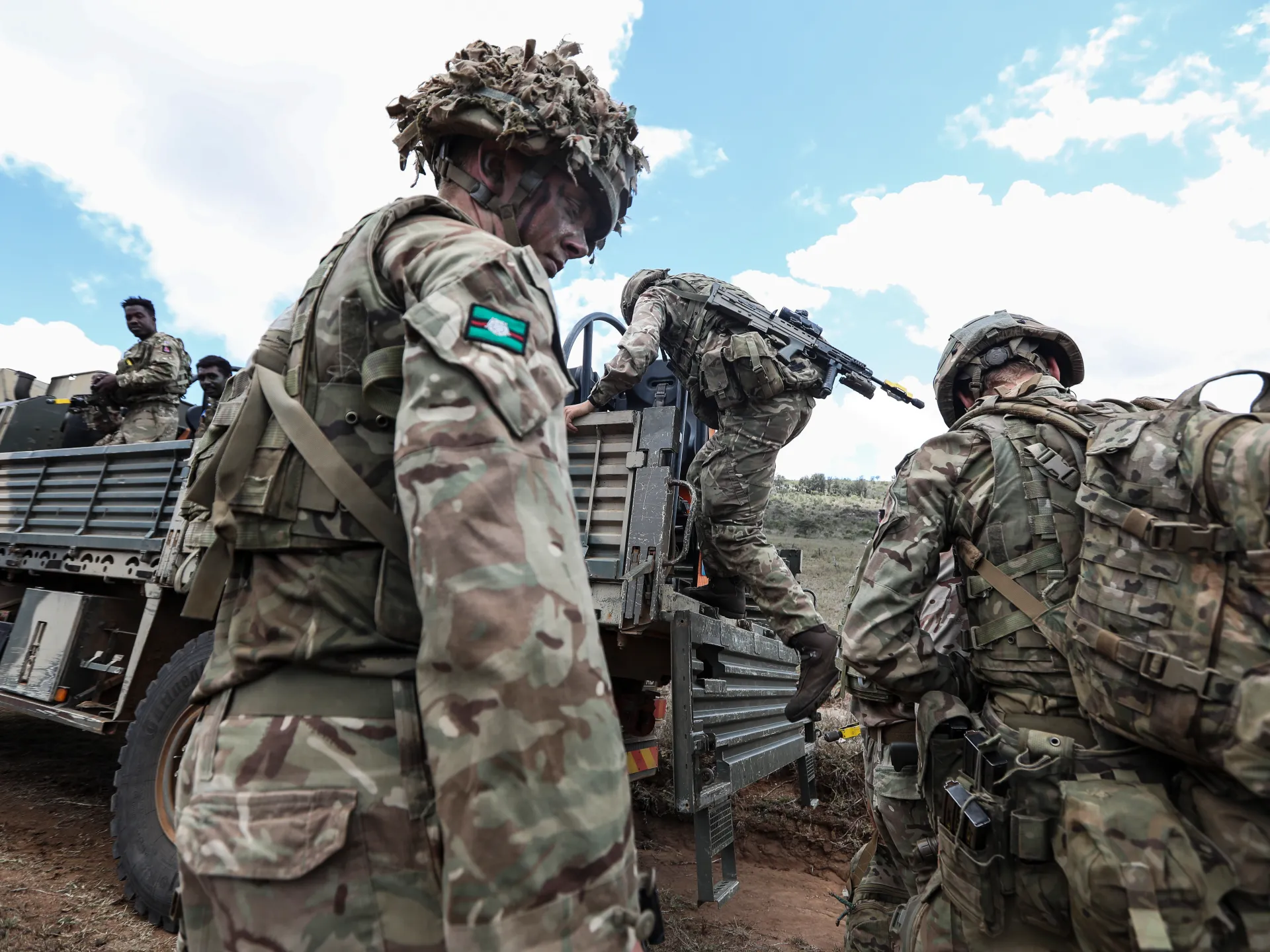
Published On 26 Jul 2026
Nairobi, Kenya – Britain’s decision to cancel a planned military training exercise in Kenya has exposed tensions in a long-running defence relationship between the two countries.
The United Kingdom’s Ministry of Defence cancelled a planned September 2026 training exercise in Kenya after the required approvals were not obtained, amid disagreements over defence arrangements between the two countries.
The dispute centres on legal jurisdiction, accountability mechanisms and the rules governing the presence of British forces in Kenya.
At the heart of the issue is the UK-Kenya Defence Cooperation Agreement, which provides the legal framework for military cooperation between the two countries. The agreement covers areas including training arrangements, investigations and jurisdiction over visiting forces.
The disagreement has placed renewed scrutiny on the British Army Training Unit Kenya (BATUK), a longstanding arrangement that allows British and Kenyan forces to conduct joint exercises.
What is the UK military presence in Kenya?
British forces have trained in Kenya for decades, with BATUK serving as the main platform for joint exercises between the British army and the Kenya Defence Forces.
Based near Nanyuki in central Kenya, the training unit provides British troops with access to training areas while allowing Kenyan and British forces to work together.
But the presence of British troops has also generated debate over oversight, accountability and the legal status of foreign military personnel operating on Kenyan territory.
Kenya’s concerns
The disagreement centres on the legal arrangements governing British troops operating in Kenya.
Kenyan lawmakers have raised concerns over whether existing arrangements provide sufficient accountability when British soldiers are accused of offences in the country.
![Members of the British Army Training Unit Kenya (BATUK) participate in an earlier military exercise with Kenya Defence Forces personnel in Kenya [DANIEL IRUNGU/EPA]](https://www.aljazeera.com/wp-content/uploads/2026/07/11132739-1785052795.jpg?w=770&resize=770%2C513&quality=80)
During parliamentary discussions on the Defence Cooperation Agreement, lawmakers highlighted concerns linked to BATUK and the need for clearer accountability mechanisms.
One parliamentary statement said:
“This House and the Departmental Committee on Defence, Intelligence and Foreign Relations had reservations on BATUK and particularly, where we as a society, are uncomfortable with human rights abuses.”
Those concerns have contributed to continued debate over the agreement, even as both countries have expressed a desire to maintain security ties.
The dispute reflects a wider challenge facing military partnerships involving foreign forces: how to balance operational cooperation with the host country’s legal authority and accountability requirements.
Britain’s position
The UK government has defended its defence relationship with Kenya, describing it as based on shared interests, mutual benefit and cooperation.
The UK Ministry of Defence said: “The UK MOD highly values its relationship with Kenya, which is underpinned by mutual benefit, respect and cooperation.”
The ministry has also acknowledged challenges linked to Britain’s defence presence in Kenya, saying: “The UK MOD deeply regrets those issues and challenges which have arisen in relation to the UK’s defence presence in Kenya, both in the past and more recently.”
London has argued that continued military ties with Kenya support joint training and security cooperation.
Why does the dispute matter?
For Kenya, the issue is about ensuring that defence agreements provide clear accountability rules for foreign forces operating on its territory.
For Britain, Kenya remains a key defence partner in East Africa and an important location for military training.
The cancellation of the exercise does not mark the end of UK-Kenya military ties, but it signals that future arrangements may face closer scrutiny over legal and political concerns.
What happens next?
The immediate challenge for London and Nairobi is finding a way to resolve their differences over the defence agreement while preserving a relationship built over decades.
If the two sides fail to reach an understanding, future British training activities in Kenya could face further uncertainty and force both governments to reconsider the terms of their military cooperation.
The cancellation of the exercise is the clearest sign yet that the future of Britain’s longstanding military presence in Kenya may depend on reaching a new understanding over accountability and legal authority.