dailynewsnblog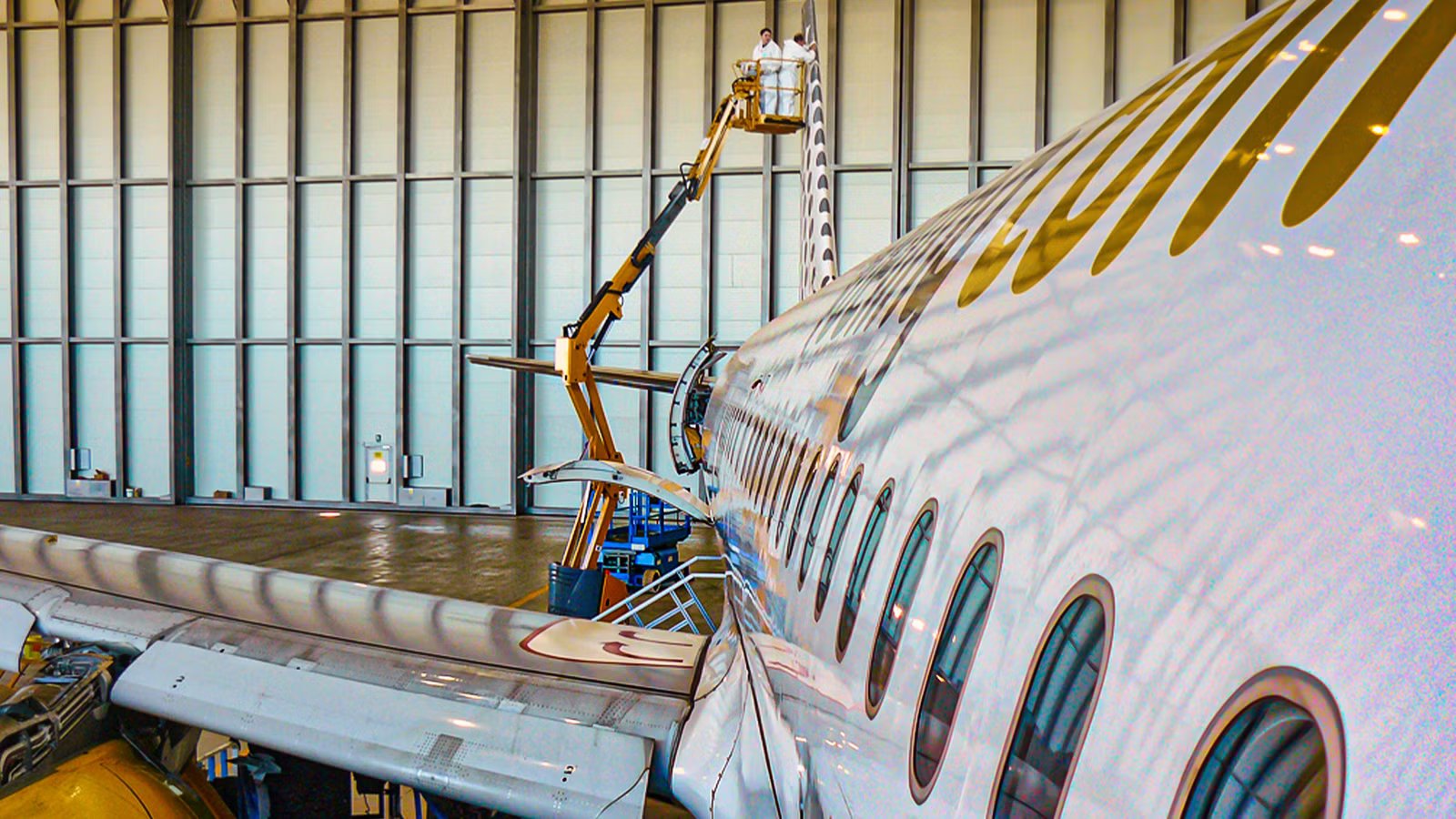
Commercial airline passengers are often alarmed by the aircraft damage that they can easily see. This includes everything from peeling paint, chipped coatings, and discoloration to streaking or weathered panels that look dramatic in a viral photo. Nonetheless, the scariest-looking exterior wear is not always the most dangerous. In many cases, visible paint damage is more of a mild maintenance concern than an immediate structural threat. The real question is not whether the aircraft looks worn, but rather whether the protective layers beneath the paint have failed and allowed corrosion to develop in critical areas. That distinction is extremely central to an understanding of aircraft safety. Paint onboard an aircraft is not just cosmetic. Rather, it is the aircraft’s first line of defense against moisture, salt, chemicals, and environmental exposure.
When properly applied and maintained, it helps prevent corrosion from reaching aluminum structures, fasteners, joints, and hidden surfaces. Inspectors are trained to look beyond surface ugliness and identify more meaningful warning signs, such as bubbling paint, powdery deposits, pitting, intergranular corrosion, or cracking near stressed components. The result here is thus a gap between passenger perception and engineering reality. A battered-looking patch of paint may be relatively benign, while subtle corrosion hidden beneath a coating can prove to be far more serious. We explain why visible wear can look frightening, but it is not what inspectors actually worry about. Aircraft appearance on its own rarely tells the full safety story.
Why Can These Kinds Of Issues Emerge?

Aircraft paint defects are capable of emerging for several overlapping reasons, and not all of them point to poor maintenance or immediate danger. Aircraft live in a uniquely harsh environment. They fly through rain, ice crystals, ultraviolet radiation, runway debris, hydraulic fluids, deicing chemicals, fuel residue, salt air, and rapid temperature changes. Over the course of time, these conditions wear down even a properly applied paint system. Leading edges, around doors, near fasteners, and high-contact service areas are especially prone to chips, scratches, staining, and erosion.
There are many stages in an aircraft’s life cycle where these kinds of defects can emerge. They start during the painting process itself. If the aircraft skin is not properly stripped, cleaned, treated, primed, and cured, the paint may not bond in a correct fashion. Things like moisture or contaminants that have been trapped underneath can appear as bubbling, blistering, lifting, or filiform corrosion beneath the coating. Oftentimes, even small imperfections in surface preparation are capable of becoming visible months or even years later.
Operational use of a particular aircraft adds another, potentially more complicated, layer to this discussion. Aircraft panels are opened for inspections, catering trucks and jet bridges can cause scuffs, and mechanics may remove and reinstall fasteners or access doors. Aircraft can also flex in flight and on landing, which can stress coatings around seams and joints. In short, paint defects emerge because aircraft coatings are both protective barriers and working surfaces. They are constantly exposed, handled, stressed, and repaired throughout the aircraft’s service life.
Why Would This Be Concerning To Passengers?

There are quite a few reasons why these kinds of defects are immediately of concern to passengers. Visible aircraft paint damage can understandably worry passengers because it challenges the basic expectation that an airliner should look meticulously maintained. Most travelers cannot distinguish between cosmetic wear, coating failure, corrosion, and structural damage. Thus, peeling paint or discolored panels can easily feel like evidence of neglect. If the exterior of an aircraft looks rough, passengers may wonder what hidden areas of the aircraft look like, especially because they know the aircraft is operating under extreme speed, altitude, pressure, and weather conditions.
That is evidently not a particularly irrational concern. Paint is part of an aircraft’s protective system in addition to a branding element. When coatings fail, moisture, salt, chemicals, and pollutants can reach the metal underneath. Over time, that can contribute to corrosion, and some forms of corrosion are more dangerous precisely because they are hard to see. Bubbling paint, staining, powdery deposits, or blistering can therefore raise questions about whether the problem is only surface-level or whether it signals deeper degradation.
There is also an important psychological factor at play here. Once passengers are on board, they have relatively little control over a safety situation, and thus are more prone to becoming overconcerned by otherwise benign cues. A worn aircraft exterior can undermine confidence even if the aircraft is airworthy and fully inspected. That gap between what passengers see and what maintenance teams know is why these images spread so quickly over the internet.
How Does An Aircraft Cabin Flood?
Just like bathrooms on the ground, airplane toilets are vulnerable to flooding.
What Kinds Of Issues Do Mechanics Actually Watch Out For?

Mechanics are not just looking for paint that appears old or ugly. Their principal concern is whether a defect actually points towards a deeper failure of the aircraft’s protective system. One major warning sign is blistering or bubbling paint, which can suggest that moisture has become trapped under the coating and may be attacking the metal beneath. They also watch for powdery deposits, such as grayish-white residue on aluminum or reddish staining on steel parts, because these can indicate active corrosion.
More serious concerns include pitting corrosion, where small holes form in the metal of the aircraft. This can look minor from the outside, but may penetrate deeper than expected. Mechanics also look for intergranular corrosion, which attacks the grain structure of the metal and can weaken components without producing dramatic surface damage. Stress corrosion cracking is another major issue, especially around fasteners, joints, landing gear areas, and other high-load structures, according to the National Business Aviation Association.
They also pay quite close attention to seams, rivets, access panels, drain areas, and places where dissimilar metals meet, because galvanic corrosion can develop there. In short, mechanics are less worried about whether the aircraft looks polished and more focused on whether stains, cracks, lifting paint, or surface deposits reveal hidden structural deterioration. This is what can seriously alarm maintenance teams and lead to immediate action.
What Do Mechanics Do If They Spot A Serious Issue?

If airline mechanics spot a serious paint, corrosion, or structural-skin concern, the response is mostly procedural rather than improvised. The issue is first documented, photographed, and compared against the aircraft’s approved maintenance manuals, corrosion-control program, and structural repair limits. Mechanics determine where the defect is located, how large it is, whether it is active corrosion, and whether it affects a cosmetic surface, a removable panel, or a load-bearing structure of any kind.
The next step in this process is cleaning and removing the affected paint or coating so that inspectors can see the actual metal located underneath. If the issue is minor surface corrosion, mechanics may remove it, treat the exposed metal, apply corrosion-inhibiting compounds, prime the area, and repaint it. If there is pitting, cracking, or metal loss, the team may use nondestructive testing methods such as dye penetrant, eddy current, or ultrasonic inspection to check whether the damage extends significantly below the surface.
If the damage exceeds allowable limits, the aircraft may be taken out of service until repairs are completed. That could ultimately mean replacing a panel, installing an approved structural repair, or consulting the manufacturer for engineering guidance. The key point is that visible damage triggers a controlled maintenance process. Airlines do not just guess whether an aircraft is safe to take to the skies.
Passengers Really Should Not Be Concerned

This process should reassure passengers because aircraft maintenance is built around extensive inspection standards, not guesswork. A patch of peeling paint may look dramatic from a cabin window or in a viral photograph, but mechanics evaluate it against strict manufacturer limits, maintenance manuals, and regulatory requirements.
If the issue is purely cosmetic, it can be monitored or scheduled for repair. If it suggests corrosion, cracking, or metal loss, the aircraft can be inspected more deeply before it continues flying. Passengers should also be sure to remember that airlines expect exterior wear to happen. Aircraft operate in rain, salt air, extreme temperatures, runway debris, and constant maintenance environments, so paint defects are not always automatic signs of danger.
What ultimately matters is whether the damage has affected the structure beneath. In other words, the system is designed to separate ugly from outright unsafe. The fact that mechanics know exactly what to look for, how to test it, and when to ground an aircraft is precisely why visible wear does not automatically mean risk.
What Is The Bottom Line?

At the end of the day, it is not all that surprising that there are minor defects to aircraft paint that occur routinely. Pretty much any kind of motor vehicle encounters these kinds of defects, and they almost always have extremely limited functional consequences or operational limitations.
What they do, however, is create weaker aesthetics. While unknowing passengers may think that there is a more serious issue, and experienced captains know what is really going on, it is pretty clear that no one finds these kinds of defects to be particularly appealing. Therefore, these kinds of situations are much more complicated to deal with than simply dismissing them as blemishes.
Aircraft with ugly, cracking, or peeling paint will still be seen as less aesthetically pleasing, and that surprisingly matters. In a world where everyone is excessively concerned with aesthetics, these kinds of defects can legitimately hurt an airline’s reputation. This ensures that airlines will likely go out of their way to quickly repair major operational blemishes.