dailynewsnblog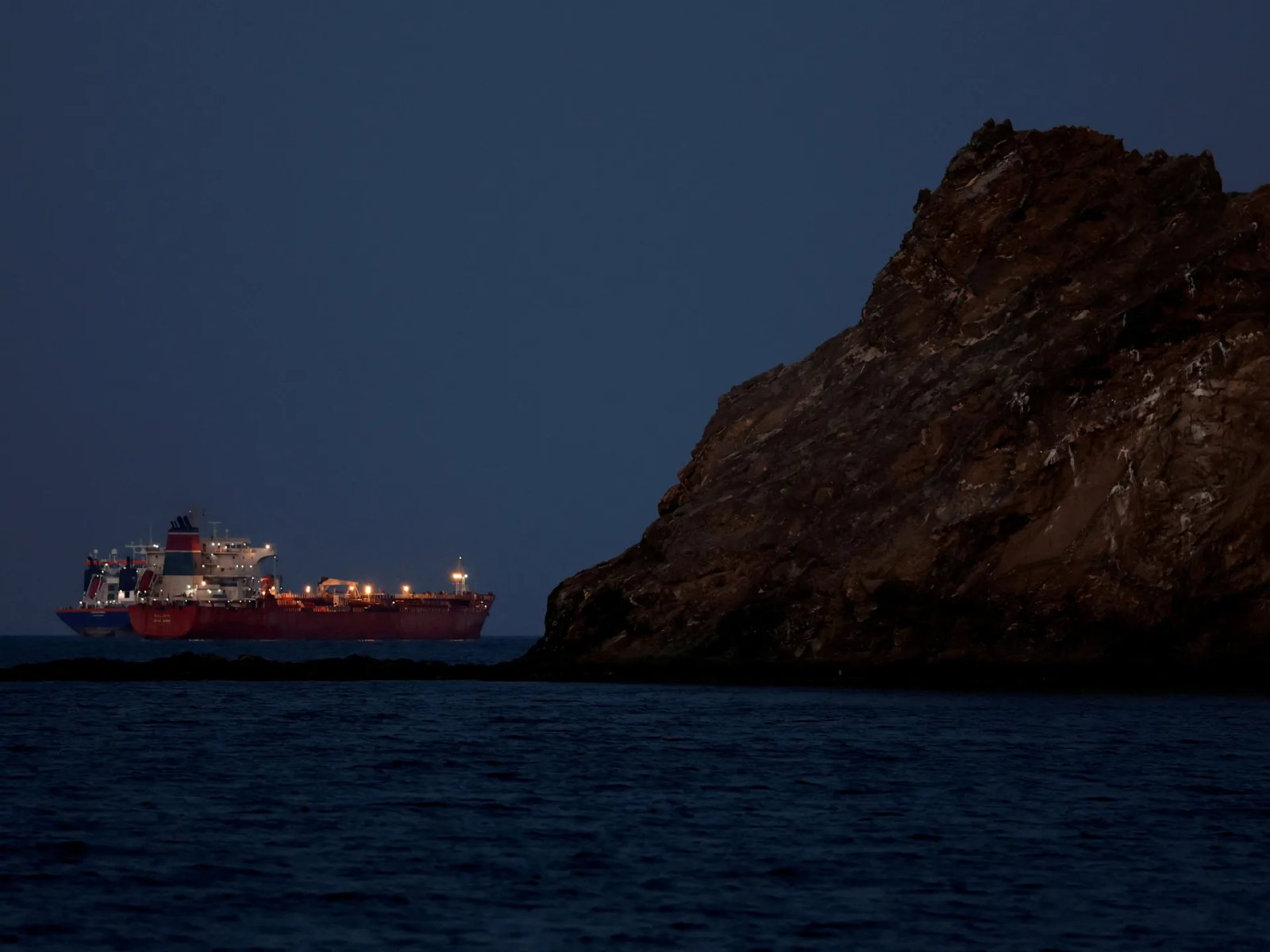
The developments following the 12-day war between Iran and Israel did not lead to de-escalation, but rather to a redefinition of the conflict on a much broader scale. While volatile negotiations between Tehran and Washington continued, the gap between the two sides’ expectations deepened. Ultimately, this gap led to a decision at the White House based on an optimistic assessment: To enter a limited conflict and force Iran into a rapid retreat.
But the battlefield quickly shattered that assumption. The war that was meant to be short, controlled, and manageable turned into a 40-day war of attrition, one that not only failed to achieve the initial objectives of the United States but imposed heavy military, economic, and political costs.
The key question is: What caused this deep disconnect between initial assessments and reality? To answer that question, this article focuses on pre-war miscalculations and decisive variables during the conflict.
1- Incorrect generalisation of the 12-day war experience
Washington assumed Iran’s behavioural pattern from the short war with Israel would repeat, but this time the level of direct US involvement was far higher. Iran adjusted its response accordingly, most notably by playing the Strait of Hormuz card. According to published reports from a US situation room meeting on February 12, General Keane, chairman of the Joint Chiefs of Staff, warned of the risks of closing the strait, but Trump rejected the general’s assessment and assumed Iran would surrender before reaching that point. On the ground, however, the Strait of Hormuz became a decisive factor in disrupting both economic and military calculations.
2- Neglecting Iran’s strategic shift
The US still assumed Iran’s main target would be Israel, but this time Tehran focused on US bases across the region. The UAE, Bahrain, Kuwait, Qatar, Saudi Arabia and Jordan were placed directly on Iran’s target list.
3- Miscalculating Iran’s military and defensive capabilities
4- Wrong predictions about Iran’s domestic situation
One of Washington’s key assumptions was the outbreak of instability or internal collapse. Intelligence reports from December led them astray, convincing Trump that with widespread assassinations and the activation of public protests, Iran lacked the necessary resilience. In practice, however, a state of war led to social cohesion and strengthened the spirit of resistance. The reason lies in the “civilisational variable”, the role of historical identity and behavioural patterns within Iranian society, which, in times of crisis, through modern activism and mass street presence, shape national resistance. Washington mistook a “battle for national survival” for “political protests”.
5- Underestimating the cohesion of the “axis of resistance”
The US expected Iran-aligned groups to play a marginal role, but their operational coordination drastically increased battlefield complexity. The “axis of resistance” lined up in a unified front against the US, while NATO failed to provide effective support for Washington, revealing fractures in Washington’s traditional alliances when faced with costly crises.
6- Growing domestic and international pressure
The continuation of the war was met with opposition inside the US – from media criticism by former Trump supporters and figures like Tucker Carlson to human rights protests over attacks on civilians, particularly the Minab school tragedy, which quickly eroded the moral legitimacy of the operation in global public opinion, including within the US.
Meanwhile, the expansion of the war into the region caused oil prices to surge past $120, raising serious concerns and analyses about $200 oil, placing heavy economic pressure on US households.
On the international stage, the veto of Bahrain’s proposed resolution by Russia and China, along with the independent stances of some Western allies, dramatically increased the political cost of the war for Washington.
7 – Signs of fractures within US military decision-making structures
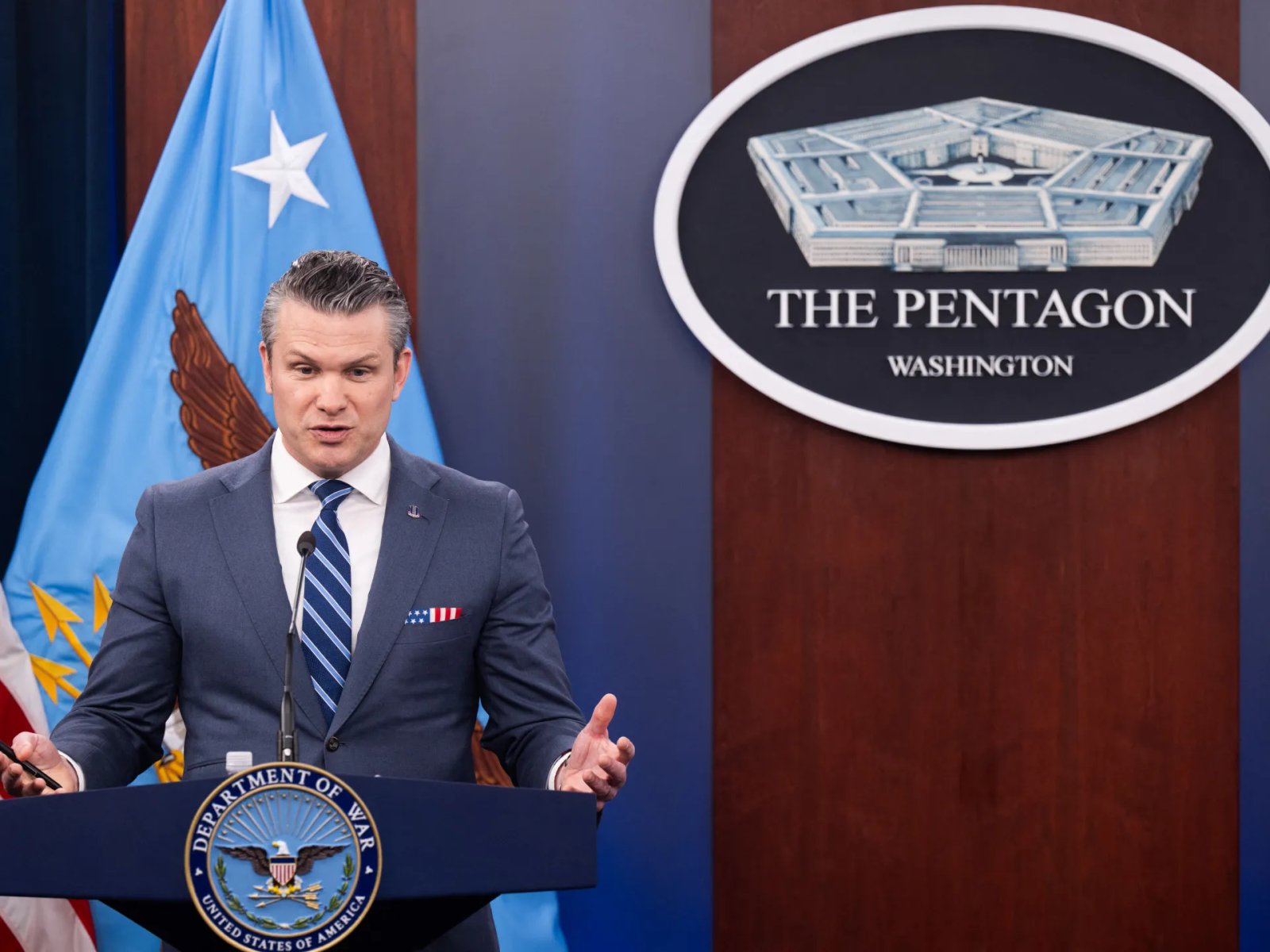
Command disagreements grew increasingly severe. The widespread dismissal of senior generals – including the army chief of staff and several other commanders – in the middle of the war was like a major earthquake at the Pentagon. This was no simple administrative reshuffle; it reflected a deadlock in modern military doctrine, which negatively impacted operational continuity.
Taken together, these errors – from misreading Iran’s behaviour and strategic evolution to ignoring simultaneous domestic and international pressures – placed the US in a position where accepting Iran’s terms after 40 days to begin negotiations became the only realistic option.
In the end, this war stands as a clear example of strategic deadlock: Where the gap between optimistic initial estimates and battlefield realities fundamentally alters the course of events.
It is an experience that will likely be discussed and revisited for years to come in Washington’s strategic circles.
The views expressed in this article are the author’s own and do not necessarily reflect Al Jazeera’s editorial stance.