dailynewsnblog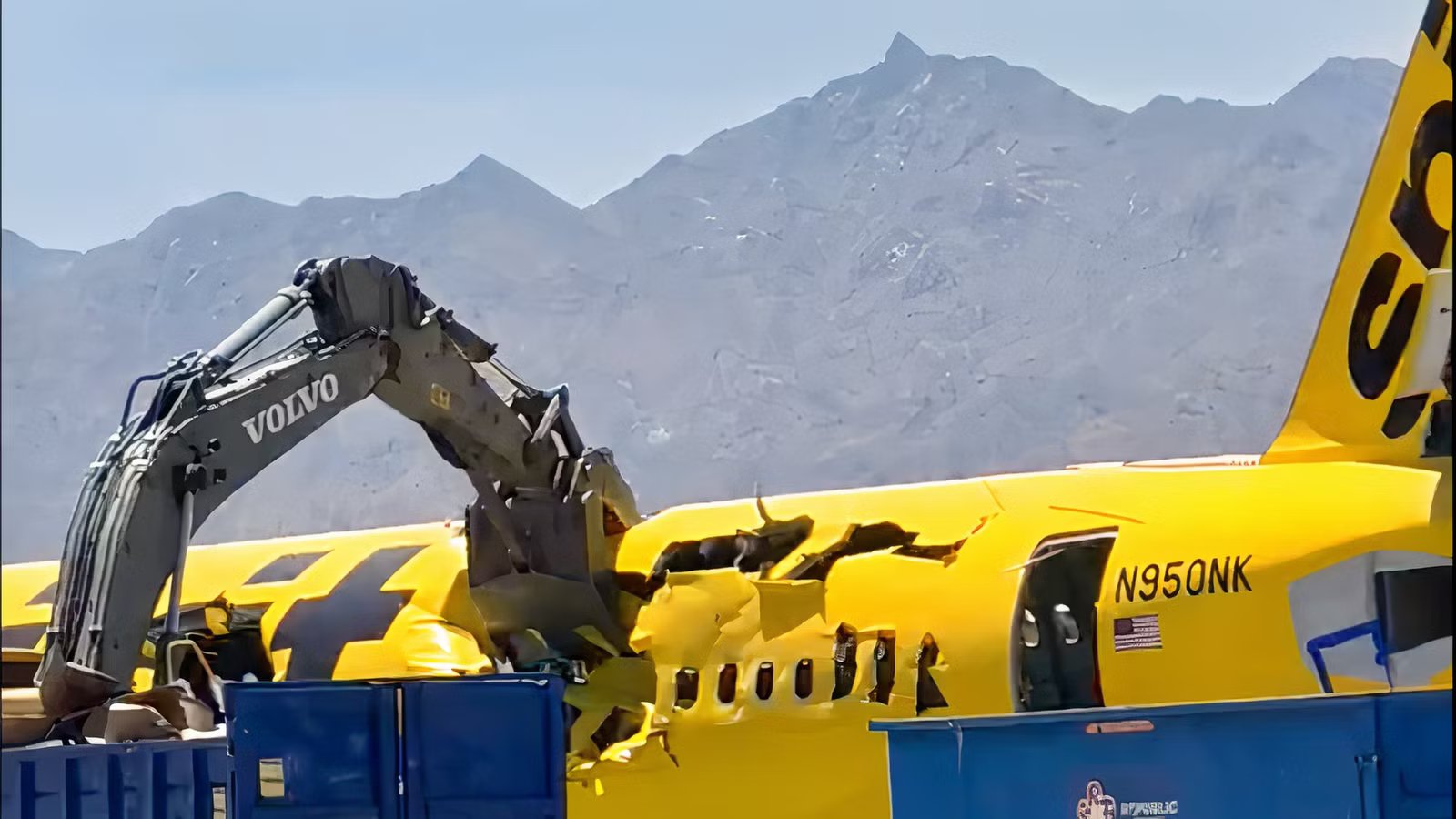
The Airbus A321neo was designed to be one of the most efficient and economically valuable narrowbody aircraft ever built. Entering service with advanced aerodynamics and next-generation engines, the aircraft promised airlines lower fuel consumption, reduced emissions, and decades of productive service. Under normal circumstances, aircraft of this age would still be in the early stages of their operational lives, generating revenue for airlines and lessors around the world.
However, a remarkable trend has emerged across the aviation industry. Some Airbus A321neos that are only a few years old are being dismantled for parts rather than continuing to fly. The phenomenon is not being driven by weak demand for air travel or a lack of interest in modern aircraft. Instead, it is the result of a severe shortage of Pratt & Whitney geared turbofan (GTF) engines and the economic realities that shortage has created.
A Strange Sight In Spain’s Aircraft Graveyard

Castellon Airport in eastern Spain has become one of the most visible symbols of the ongoing engine crisis. Once known for limited passenger traffic, the airport now hosts aircraft teardown operations where relatively young Airbus A320neo-family aircraft are being dismantled for parts. The sight is particularly unusual because many of these aircraft are still early in their expected service lives and would ordinarily be flying passengers rather than being disassembled in a storage facility.
Workers remove avionics, landing gear, flight-control components, wheels, and other valuable parts from aircraft that entered service only a few years ago. In many cases, the most valuable assets are the engines themselves, which are carefully preserved for lease or resale in a market experiencing severe shortages. The recovered components can then be used to support active fleets around the world, helping airlines maintain operations while replacement parts and engines remain difficult to obtain.
More than a dozen Airbus jets have already been dismantled after only a few years in service, while industry insiders believe dozens more could face a similar fate. Companies such as eCube have become key participants in this growing aftermarket activity as airlines and investors seek to maximize the value of scarce components.
The GTF Engine Crisis Explained

At the heart of the issue is Pratt & Whitney’s PW1000G Geared Turbofan engine family. The engines were developed to deliver significant fuel-efficiency improvements, but operators have faced substantial maintenance and reliability challenges in recent years. The situation worsened in 2023 when Pratt & Whitney disclosed a rare powder-metal defect that could potentially cause cracking in certain engine components. The discovery triggered extensive inspection requirements affecting hundreds of engines and created significant maintenance backlogs across the industry.
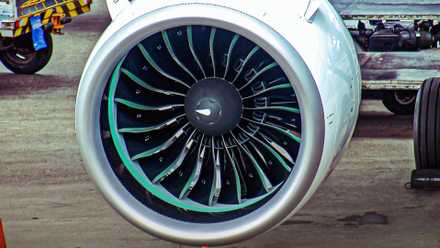
How Pratt & Whitney’s Game-Changing GTF Engine Created Problems Airlines Weren’t Prepared For
The Pratt & Whitney GTF engine has grounded hundreds of aircraft and exposed vulnerabilities in the global engine maintenance industry.
Combined with broader supply-chain disruptions and lengthy repair turnaround times, the inspections created a severe shortage of available engines. Airlines have subsequently found themselves unable to return aircraft to service quickly enough to meet operational requirements, despite strong demand for capacity.
Impact :
GTF-Powered Airbus fleet grounded or stored | Approximately one-third |
Grounded/stored aircraft | 636 Jets |
Comparable CFM-powered fleet grounded | About 4% |
Powder-metal inspections expected through | 2026 |
Under normal market conditions, a complete aircraft is worth more than the sum of its parts. The current engine shortage has temporarily reversed that equation. Because airlines urgently require spare engines, the value of serviceable GTF engines has increased dramatically. To elaborate, GTF engines can command lease rates of approximately $200,000 per month per engine. A pair of engines can therefore generate revenue approaching that of leasing an entire aircraft, creating a powerful incentive for owners to separate the engines from the airframe.
Airlines Are Paying The Price

While investors may benefit from elevated engine values, airlines have been forced to cope with significant operational challenges. The shortage has disrupted fleet planning and reduced aircraft availability across multiple operators. Aircraft that would normally be generating revenue have instead remained parked while awaiting inspections, repairs, or replacement engines, creating significant scheduling and capacity challenges for affected carriers.
According to Reuters, carriers are struggling to unlock the promised fuel-efficiency benefits of new aircraft because so many engines remain unavailable. Airlines facing shortages have often been forced to retain older aircraft longer than planned, delaying fleet modernization efforts and increasing reliance on less efficient equipment. Some operators have also had to adjust route networks and growth plans due to reduced fleet availability.
The problem extends beyond aircraft availability. Willie Walsh, Director General of the International Air Transport Association ( IATA), stated that the industry faces billions of dollars in costs associated with supply-chain disruptions and engine shortages. IATA estimated approximately $11 billion in costs related to supply disruptions, including $2.6 billion linked specifically to engines. Walsh also warned that manufacturers are failing to deliver products on schedule, leaving airlines unable to fully utilize their fleets despite strong demand for air travel. The resulting constraints have affected operational flexibility, fleet utilization, and long-term planning across the industry.
Catch what other flight trackers miss
Emergency squawks, holds, NOTAMs — live signals, no signup.
Open tracker
Catch what other flight trackers miss
Emergency squawks, holds, NOTAMs — live signals, no signup.
Open tracker
A New Business Opportunity For Investors

The shortage has also created opportunities for investors, lessors, and specialized teardown companies. According to industry participants cited by Reuters, billions of dollars in private-equity capital have been directed toward aircraft and engine acquisitions intended for part-out activity.
eCube CEO Lee McConnellogue noted that the company can recover or recycle virtually every component from an aircraft. This capability has become increasingly valuable as operators seek serviceable parts to keep grounded fleets flying.
Components Typically Recovered During A321 Neo Teardowns
Component Category | Recovery Purpose |
Engines | Leasing or resale as spare powerplants |
Avionics | Reuse in maintenance and repair programs |
Landing gear components | Spare-parts support |
Wheels and brake assemblies | Fleet maintenance requirements |
Wing and flight-control components | Replacement inventory for operators |
Industry consultant Richard Brown described the trend as evidence of aviation becoming an increasingly efficient marketplace. Rather than allowing aircraft to sit idle, investors are extracting value from engines and components that can immediately support active fleets. The result is a growing market focused on component recovery rather than traditional aircraft leasing.
Why Spirit Airlines Has Entered The Discussion

The future of former Spirit Airlines aircraft has become part of the broader discussion surrounding aircraft dismantling. Industry observers have questioned whether some of Spirit’s GTF-powered aircraft could ultimately enter the teardown market as the carrier restructures its fleet. The airline’s situation has drawn particular attention because it operates one of the world’s largest fleets of Airbus A320neo-family aircraft powered by Pratt & Whitney GTF engines, making it especially exposed to the ongoing engine shortage and maintenance backlog.
According to our recent coverage, some former Spirit aircraft sold or transferred before the airline’s shutdown had already been earmarked for dismantling. Plans involving former Spirit A320neo-family aircraft have included teardown activity by companies such as EirTrade Aviation, RESIDCO, and KP Aviation. These transactions have been closely watched across the industry, as they provide insight into how lessors, investors, and asset managers are responding to changing market conditions. Rather than viewing certain aircraft solely as flying assets, some stakeholders increasingly see them as sources of highly valuable engines and spare components.
McConnellogue told Reuters that while the outcome for all of Spirit’s aircraft remains uncertain, it is inevitable that at least some aircraft could ultimately be broken up for parts. He also noted that the final disposition of many aircraft will depend on market conditions and demand for engines over the coming years. The comments highlight how valuable GTF-powered assets have become in a market where spare engines remain in critically short supply. For owners and investors, the decision increasingly comes down to economics: whether an aircraft generates greater value flying passengers or supporting the broader fleet through the recovery of engines and components.
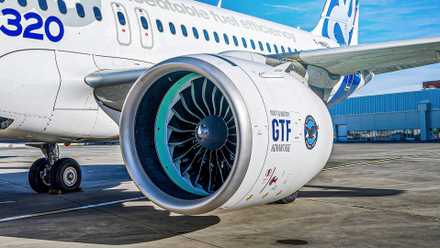
Airlines Are Stripping Brand-New Airbus A320neo Family Jets For Parts Because GTF Engines Are Worth More
With GTF engines worth more than $200,000 per month, airlines continue to send their new A320neos to the scrapyard.
An Industry Searching For Relief

Industry executives generally agree that the current situation is unsustainable over the long term. Airline leaders have questioned how aircraft designed to deliver decades of service and significant fuel savings can end up being dismantled so early in their operational lives. The situation is particularly striking given the strong demand for both aircraft and air travel. Unlike traditional aircraft retirements, which are often driven by age, fuel costs, or declining market demand, the current wave of teardowns is occurring while many of the affected aircraft remain relatively young and technologically advanced.
Some analysts have linked the current difficulties to the industry’s push for increasingly fuel-efficient engines during periods of elevated fuel prices. According to aviation economist Adam Pilarski, the industry achieved major gains in efficiency but subsequently encountered maintenance challenges that are now affecting operators worldwide. The geared turbofan architecture was designed to deliver substantial improvements in fuel burn and operating economics, helping airlines reduce costs and emissions. However, the maintenance issues affecting the engine family have demonstrated how technical challenges can ripple throughout the broader aviation ecosystem, impacting manufacturers, airlines, lessors, and maintenance providers alike.
Pratt & Whitney has acknowledged that maintenance bottlenecks will take time to resolve. While company executives have stated that aircraft groundings have stabilized and are expected to decline, they have also indicated that additional work remains necessary before the shortage fully eases. The manufacturer has continued expanding maintenance capacity and implementing inspection programs aimed at returning engines to service more quickly, but the scale of the backlog means improvements are likely to occur gradually rather than immediately. In the meantime, airlines, investors, and asset managers continue adapting to an environment in which spare engines command exceptional value. Until supply-chain pressures ease and engine availability improves, the economics that have driven the dismantling of young Airbus A321neos are likely to remain a reality for parts of the aviation industry, even as stakeholders work toward restoring a more traditional balance between aircraft and component values.