dailynewsnblog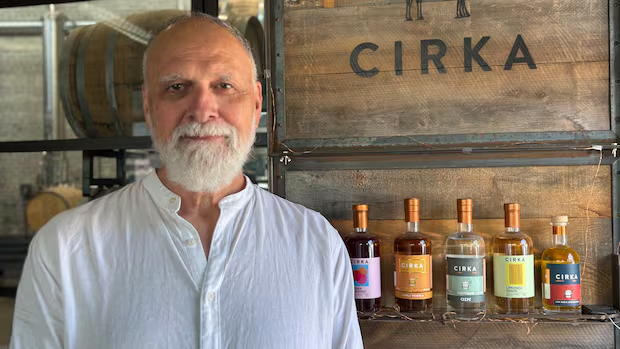

Listen to this article
Estimated 4 minutes
The audio version of this article is generated by AI-based technology. Mispronunciations can occur. We are working with our partners to continually review and improve the results.
Nine Canadian provinces will soon allow wineries, distilleries, and breweries to sell their alcohol directly to consumers outside their home provinces, but Quebec has not yet signed the agreement.
So why is Quebec staying on the sidelines?
This move is part of a broader effort to dismantle interprovincial trade barriers across Canada, allowing manufacturers to sell alcohol beyond their home provinces. Premiers say the changes are especially important as the U.S. continues to threaten hefty tariffs on Canadian exports.
This week, U.S. President Donald Trump announced new 50 per cent tariffs on many Canadian products — including alcohol.
Yukon and Quebec did not sign the agreement. Nunavut and the Northwest Territories said they would not sign it, citing the “unique realities of our territories.”
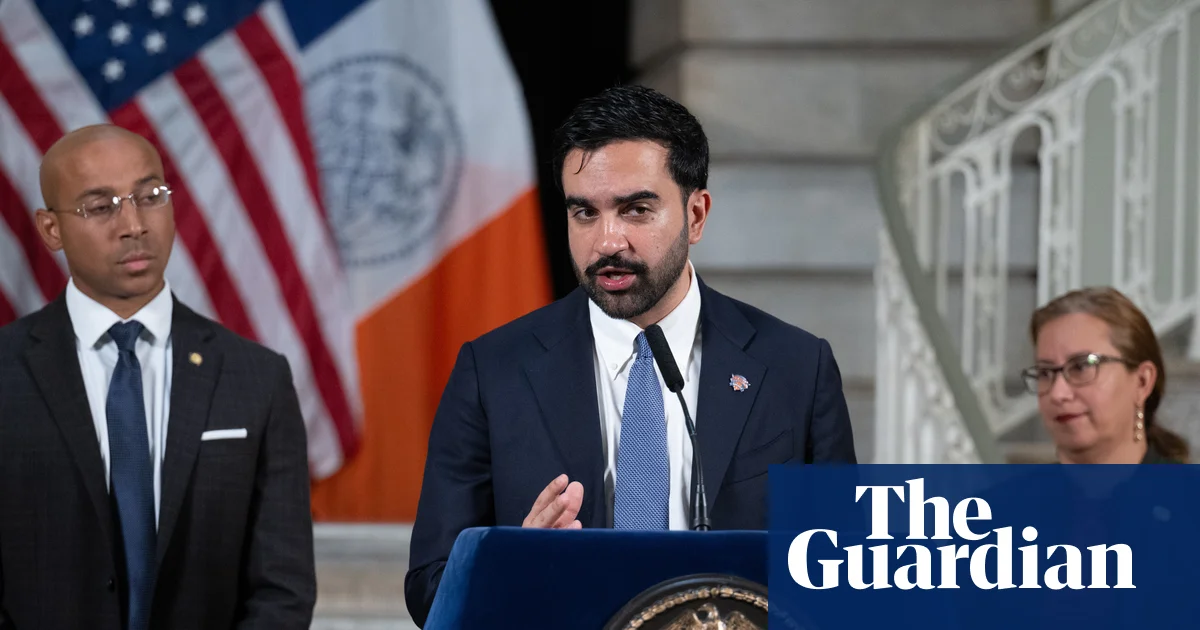
In a post on X, Premier Christine Fréchette said Quebec supports the objectives of the agreement, but that adhering to it would require amendments to Quebec’s laws in order for the deal to take effect.
“These changes can be made as soon as the Quebec legislature resumes its session,” she wrote.
“We are counting on the co-operation of all political stakeholders in Quebec to ensure the agreement’s implementation.”
Quebec signed a memorandum of understanding on this initiative a year ago.

Deal could raise technical, financial, legal questions
Frédéric Laurin, an economics professor at Université du Québec à Trois-Rivières, said Quebec might be “a bit hesitant” because the agreement could be a way to bypass the Société des alcools du Québec’s monopoly.
Quebec’s state-run liquor retailer collects a significant markup on alcoholic products sold in the province, and Laurin said it’s still unclear how that revenue would be handled under the new deal.
“Who will collect the surcharge if one is imposed? Is it the province where the product is manufactured or the province where it’s purchased?” he asked.
He also noted that Quebec might be weighing technical, financial, and legal questions, including international trade obligations.
Foreign wineries, Laurin explained, could argue they should receive the same access to consumers as Canadian producers.
“You have to be on each monopoly’s list of [approved] products to be sold in the province,” Laurin explained, pointing out that the list is “relatively restrictive.”
He added that if Quebec signs the deal, foreign wineries could challenge the agreement in court under international treaties.
For those reasons, Laurin expects Quebec’s accession to the deal to drag on.

Why small producers are eager for Quebec to sign
Ryan Manucha, a C.D. Howe Institute research fellow, said opening direct-to-consumer sales could deliver major economic benefits.
“If five per cent of the booze that is purchased, that comes out of the country, is now domestic, that’s $500 million dollar worth of alcohol that we’ve re-oriented from domestic suppliers, whether it be spirits, wine or beer,” he said.
Manucha argues the agreement could create deep and competitive markets and give Quebec producers easier access to customers across the country.
For small Quebec producers like Paul Cirka, CEO and founder of Cirka Distilleries, that access can’t come soon enough.
Cirka said he’s applied every year for the last 10 years to have his alcohol products sold through Ontario’s liquor system. But some of his products that “sell well” in Quebec have yet to be accepted in Ontario.
“If I want to get into Ontario or Manitoba or another province, I have to go through all of the hoops of getting listed, approved, shelf space, deal with the marketing requirements in each one of those provinces,” Cirka explained.

Nine premiers across Canada have agreed it’s time to remove the trade barriers preventing people from buying alcohol from other provinces. Christine Fréchette says Quebec subscribes to the objectives of the agreement, but certain laws haven’t been amended that would allow it to come into force.
Cirka added that the new agreement is great news and hopes Quebec eventually joins.
“That’s an interesting opportunity for small producers because we don’t have a lot of opportunities and avenues to retail our products,” Cirka told CBC.
He also believes that selling directly to consumers would offer them a much wider choice.
“This is really a win-win for consumers that I’m hoping they explore other aspects of Canada and they don’t have to leave their house,” he said.
“We’re hoping that the majority will push everyone into the same agreement.”