dailynewsnblog
In early May,  Delta Air Lines announced that it had decided to cut back on drinks and snacks in the main cabin. In-flight service was removed on short flights under 349 miles, such as the Los Angeles to San Francisco route, and no complimentary drinks or snacks are served. This plan affects 450 flights daily and 9% of Delta’s schedule and passengers in Delta Main and Delta Comfort. The premium cabins are unaffected, and full service remains in First Class.
Delta Air Lines upgraded their service from the previous ‘express service’ to a full-service experience on flights over 350 miles. This guide explores whether losing inflight service on short routes is a cost-cutting measure and if it’s actually better for flight attendants. There have been mixed reactions from passengers and crew alike. The new guidelines were brought in by Delta to create “a consistent experience across our network.”
How Service Changed

The service was removed from short flights as of May 19, 2026. The in-flight service cut eliminates the old “express service” tier and folds those routes into a no-service category that previously applied to flights only below 250 miles. The express service was previously the norm on all flights under 499 miles except those under 250 miles. Test flights were conducted and data collected on the new service; negative feedback from passengers was to be expected at the start in relation to the lack of service.
Delta has changed its service guidelines for flights based on distance. Flights over 350 miles now include a full beverage service, and the upgrade will affect 600 flights daily. An article from The Travel reported the pros and cons of this decision and the mixed opinions about the new services. The express service did not seem to be particularly popular. However, airlines have to constantly review their onboard service and consider whether it’s cost-efficient.
On short flights of under 350 miles, it was found that flight attendants struggled to complete the service with a full cabin and found it difficult to complete the procedures in place to secure the cabin before landing. On a one-hour flight, only about 20 minutes are available during the cruise to complete a service, which can make it rushed and challenging. The express service consisted of water, tea, and coffee, and a selection of snacks, according to Pax News.
Simple Flying Quiz
Think you really know Delta Air Lines?
Answer 10 questions and put your knowledge to the test
Think you really know Delta Air Lines?
Answer 10 questions and put your knowledge to the test
Easy (15s)Medium (10s)Hard (5s)
Safety Concerns

In 2025, there was already a quiet change that came into play. Delta changed its procedures for landing from the industry standard of 10,000 feet to 18,000 feet, meaning that flight attendants would secure the cabin and galley for landing earlier and therefore be seated earlier in the descent. This was introduced to reduce turbulence-related injuries to flight attendants during the descent, which had become a growing concern in the industry.
Catch what other flight trackers miss
Emergency squawks, holds, NOTAMs — live signals, no signup.
Open tracker
Catch what other flight trackers miss
Emergency squawks, holds, NOTAMs — live signals, no signup.
Open tracker
Although quite rare, climate change has led to more episodes of severe, unexpected turbulence than ever before. As reported by The Travel, in July 2025, a Delta Air Lines flight had to divert due to severe turbulence that hospitalized 25 passengers. In response, they changed their descent policy, as did JetBlue and American Airlines.  Southwest Airlines had already adopted the procedure in late 2024. The airlines found that more injuries were occurring to flight attendants during turbulence between 10,000 and 18,000 feet.
A Delta flight attendant said about the rule change last year, “Beginning on June 2, FAs will begin FINAL descent cabin prep duties at 18,000ft and not 10,000. Yes, we are required to complete all final preparations at that time. That means stowing laptops and carry-ons and upright seats and tray tables. Please don’t give us a hard time. We have had an increase in turbulence injuries, and they want us seated and strapped in before 10,000. Thanks for understanding.” (As reported by The Travel).
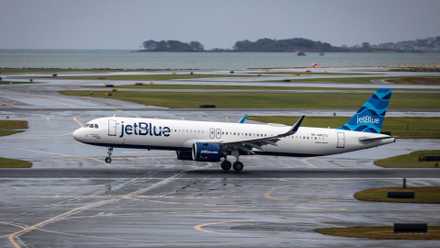
JetBlue Follows Suit, Overhauls Descent Procedures After Reviewing Turbulence Data
JetBlue’s New Descent Initiative Aims To Protect Flight Attendants And Passengers From Turbulence
Flight Attendant Frustrations

Once the new cabin secure policy came into place, flight attendants on those short hops of approximately one hour gate-to-gate found another issue. Losing ten minutes on the already short cruise meant they often could not complete a service in the cabin within the given time. On an under 350-mile flight, they were left with a service window that was almost unusable. Passengers at the rear of the aircraft were not being served, and service often had to be abandoned as they needed to secure the cabin for landing.
Flight attendants were frustrated that they could not finish the service and that it was a very rushed experience. Even with the new upgraded service on flights of between 350 and 499 miles, some flight attendants expressed concerns for the same reason. They said that the new service was tested on Atlanta to Tampa flights and that the full service was not finished. They were also worried that they would be perceived as lazy, according to reports at The Travel.
There were also concerns that passengers would see it as a cost-cutting exercise and react negatively towards them. Indeed, some passengers commented on social media that it was all about cost-cutting, and flight attendants did not want passengers to give them a hard time about the changes. However, despite passenger feedback in general, flight attendants were in favor of the move as they do not want to get injured during turbulent spells, especially those who have been injured before.
Benefits For The Crew

The previous express service on the shorter routes was effectively unworkable: flight attendants had as little as 15 minutes to complete the service in the cabin, as well as juggling boarding, safety duties, and the earlier descent preparations. By eliminating the cabin service on short routes, it removes a cumbersome task that couldn’t be reliably finished, making things more consistent in the cabin and allowing flight attendants to concentrate on their safety procedures. This also reduces friction from passengers in the cabin if a service is unfinished, which tends to fall on the crew and not on the company itself.
It also reduced the risk of them being hurt by increasing amounts of turbulence during the descent window by securing the cabin and galley at 18,000 feet instead of the usual 10,000 feet. This procedure has been adopted by many US airlines in recent years due to FAA data and an increasing number of turbulence events in which flight attendants were getting hurt.
Service | Previous | New |
|---|---|---|
0 to 250 miles | No service | No service |
251 to 299 miles | Express | No service |
300 to 349 miles | Express | No service |
350 to 499 miles | Express | Full service |
500+ miles | Full Service | Full service |
The parallel expansion of the full service to longer flights means the change isn’t purely subtractive for the crew. The same service overhaul expands the full snack and beverage service to all Main Cabin and Comfort flights of 350 miles or more, so the overall effect is fewer routes with rushed partial service and more with complete service. The trade-off between losing service on short flights and gaining more service on longer flights is seen as acceptable, according to Your Mileage May Vary. Service is not necessary on such short flights, but appreciated on longer flights and should not be perceived as a rushed experience.
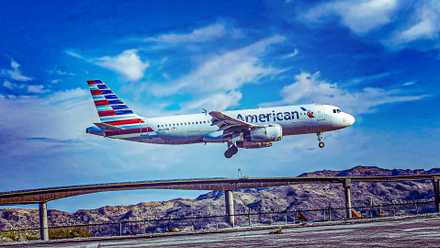
18,000 Feet: American Airlines Will Secure Cabins Earlier To Cut Turbulence Injuries
As around 25% of in-flight turbulence injuries occur during the airline’s descent, American Airlines will now descend earlier.
The Competition In Comparison

In a competitive context, Delta’s decision to cut in-flight service makes them the most restrictive of the Big Four as regards short-haul service. American Airlines serves complimentary snacks and non-alcoholic drinks on flights above 250 miles; United Airlines offers free non-alcoholic drinks on all flights and snacks above 300 miles; Southwest Airlines serves snacks and drinks on select flights above roughly 251 miles. Delta’s 350-mile floor is the highest threshold among the legacy carriers.
As regards cabin safety and procedures, particularly moving the securing the cabin for landing to no later than 18,000 feet is becoming more standard. After Delta changed their procedures, JetBlue and American Airlines (effective June 3), whilst Southwest Airlines had already adopted the procedure the year before. It is evident that the underlying operational procedure is industry-wide, not just specific to Delta.
Overall, in terms of safety, the reduced service is ‘better for flight attendants’ as they are less likely to be hurt during turbulence at risky times, making it a safer cabin. The reduced service obviously reduces the workload of the flight attendants on short routes and allows more time to keep the cabin safe during critical times, especially when preparing for landing.
The Bottom Line

Delta’s decision to reduce cabin service on short flights and add on longer flights is a compromise in terms of cabin service. However, in terms of realigning safety procedures to ensure the safest protocols, this move is a natural consequence of the sheer time constraints during the cruise. This, in turn, does provide more consistency across the board, instead of trying to offer a service that becomes rushed or unfinished.
Although operationally, it’s a good and practical decision given the logistics and safety protocol involved, it was by no means unanimous. Some crew and passengers read the change as cost-cutting dressed as safety. Online reactions to the move were mixed; there was genuine flight attendant support from those who’ve been injured during descent turbulence to those who reacted with skepticism.
Some crew members have also voiced concern about passenger frustration over the loss of cabin service and are worried that, as firstliners, they will receive the backlash of the decision and not the airline. One crew member also mentioned that the upgraded service was not working as expected, which again can cause issues. Although the move is operationally clear and the flight attendants recognize it, it is still not a clear win that everyone endorses.