dailynewsnblog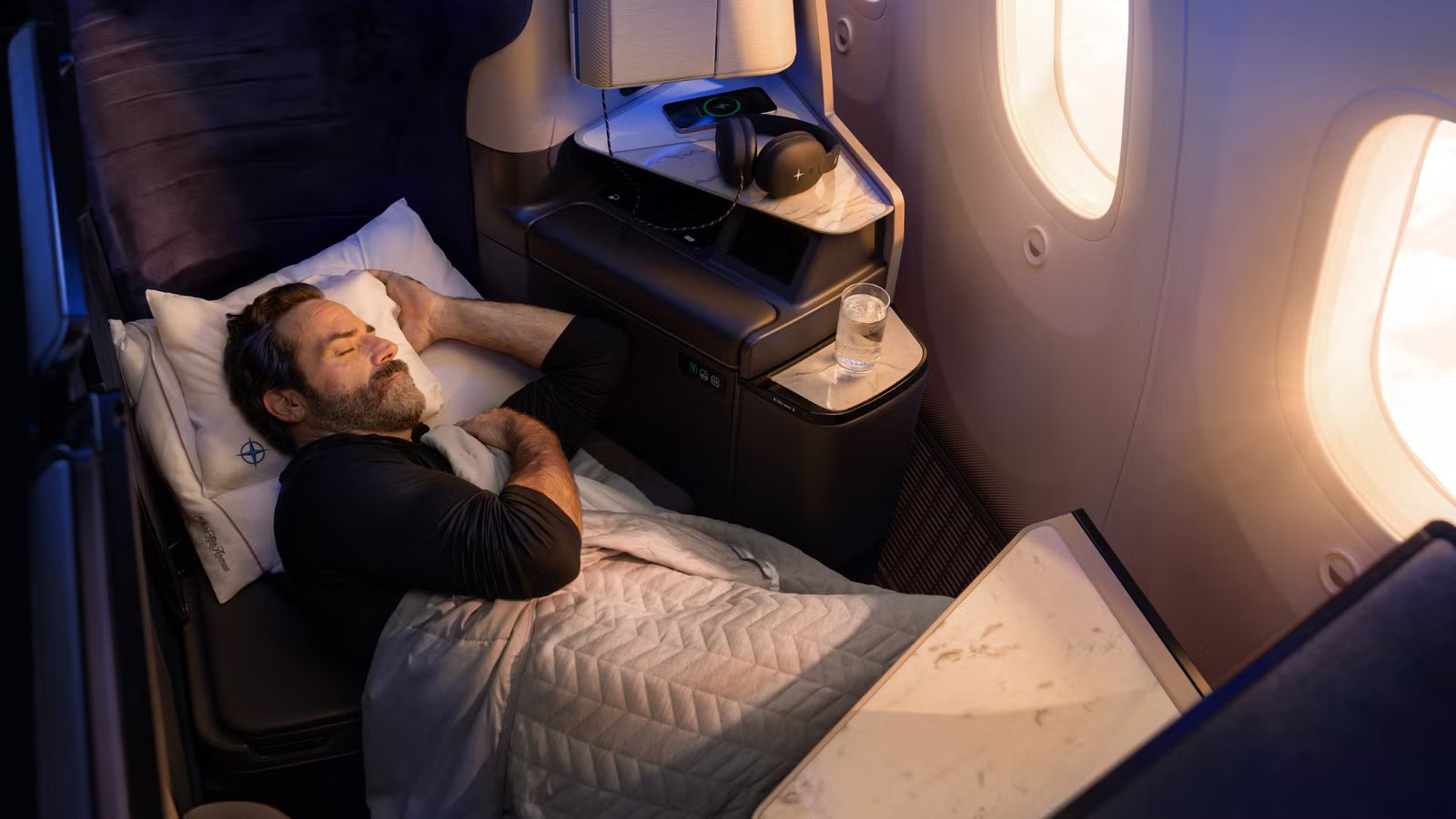
Booking a premium ticket once always guaranteed a seamless luxury experience encompassing everything from airport lounge access to priority seat selection without additional charges. Today, major international airlines are breaking these premium packages apart, implementing hidden restrictions and unbundled fees that mirror the mechanics of basic economy. This comprehensive guide explores exactly what is going on and what is really driving this sudden premium fragmentation.
Driven by an aggressive corporate push for high-margin ancillary revenue, full-service network carriers have realized that even high-net-worth individuals and corporate travelers can be segmented by price sensitivity. By introducing unbundled business class fares, operators can market lower entry-level fares on search engines while charging extra for essential components of the premium journey.
United Triggers Basic Business

When  United Airlines launched a sweeping structural overhaul of its flagship United Polaris business class product, the whole industry really began to change its stance on what should be included in a business class fare. The carrier divided its premium inventory into three distinct fare tiers: Base, Standard, and Flexible. It officially introduced the controversial concept of basic business class to the transoceanic market, leaving passengers in the difficult position of having to carefully evaluate what their ticket actually includes at checkout.
Under this newly implemented framework, travelers who purchase the entry-level base fare still receive the flat-bed seat and standard onboard dining, but the surrounding luxury ecosystem is completely stripped away. Passengers holding these restricted tickets are completely barred from entering the exclusive United Polaris Lounge network, which automatically downgrades their pre-flight experience to standard United Club spaces. The tier also removes complimentary advance seat assignments, meaning travelers must pay an additional fee to choose their specific pod before check-in or risk being assigned a random space by an automated system.
Many onlookers quickly identified this move as an aggressive effort to capitalize on premium demand without delivering true cost savings to the consumer. Commenting on the structural change, One Mile at a Time noted that the architecture brings basic economy logic straight to the front of the aircraft. Expressing a similar sentiment regarding the value proposition, View from the Wing summarized the corporate reality by stating that its economy basic counterpart made the product worse, so inevitably the same would happen in business.
The Premium Profit Shift

The core motivation behind this widespread transition stems from a realignment of modern airline economics and profitability models. The main cabin was intended to be the primary financial volume engine for major hub-and-spoke networks, but contemporary revenue data reveals an overwhelming shift toward premium segmentation. Even when legacy carriers experience mild revenue dips in standard economy classes, record corporate profits are routinely sustained because premium cabins consistently generate massive financial yields.
This reality is perfectly illustrated by recent corporate financial performance, where premium cabins have become the primary drivers of network stability. During recent investor briefings, high-ranking executives openly confirmed this narrative, with United’s chief commercial officer Andrew Nocella, stating that “premium cabins are leading the way, not only domestically, but across the entire network.” A standard base ticket carries a slim profit margin of just 5% to 10%, whereas unbundled ancillary fees boast staggering profit margins between 80% and 90%. Globally, airlines successfully extracted approximately $150 billion in standalone ancillary revenue throughout 2024, marking an immense $32 billion surge over a single twelve-month window.
The US federal 7.5% excise tax applies exclusively to the base ticket price of a flight, leaving secondary ancillary charges completely exempt from the tariff. As a result, airlines can legally minimize their domestic tax liabilities by artificially lowering the baseline fare for a business class seat and converting lounge access or seat selection into separate fees. Where this becomes an advantage is that a larger percentage of the passengers’ total spending flows directly into corporate cash reserves rather than government coffers, providing an enduring structural incentive to keep premium perks hidden behind separate paywalls.
Simple Flying Quiz
Think you really know United Airlines?
Answer 10 questions and put your knowledge to the test
Think you really know United Airlines?
Answer 10 questions and put your knowledge to the test
Easy (15s)Medium (10s)Hard (5s)
The Global Unbundling Blueprint

Undoubtedly, the sudden appearance of basic business class has shocked many domestic travelers. The reality is that US legacy carriers are simply adopting a highly successful commercial concept perfected by international pioneers over several years. Middle Eastern and European network giants recognized long ago that the traditional, all-inclusive premium model left substantial amounts of money on the table. These global operators successfully demonstrated that affluent fliers would tolerate the removal of elite perks as long as the physical comfort of the flat-bed seat remained intact.
 Emirates initially triggered this international movement in 2019 by introducing its unbundled business class fare buckets to the global market.
  Qatar Airways quickly followed by restricting complimentary lounge entry and advance seat choice on its lowest premium fare tiers. In Europe, Finnair introduced identical multi-tiered business structures across its busy long-haul routes to Asia and Europe in 2021, while
  Air France and
  British Airways have long charged passengers for advance seat selection on discount business class tickets. The momentum accelerated further in March 2025, when
  Etihad Airways permanently removed complimentary lounge privileges and advance seat assignments from its entry-level Business Value fares.
The common denominator across all of these international frameworks highlights a deliberate, calculated methodology: the core physical amenities, as in the flat-bed seat and premium onboard dining, are safely retained, but the surrounding service layers are methodically monetized. This has given way to a reality where domestic executives have the confidence to push forward with their own unbundling campaigns without fearing an immediate customer backlash.
What Passengers Lose

Unbundling business class systematically strips away several premium perks that passengers traditionally took for granted. The core experience of a lie-flat bed and high-end dining remains relatively the same. However, now the lowest fare tiers remove vital components of the luxury journey. Travelers routinely lose complimentary airport lounge access, advance seat assignments, elevated frequent flyer status credits, and ticket change flexibility. With all of this considered, it is easy to see why there is now a stark contrast between discount corporate tickets and fully inclusive fares.
The strategic purpose behind this fragmentation is to create an entirely new ecosystem of upsell opportunities. According to Business Insider, airlines have the ability to unbundle business class and then monetize what was once included in that base fare. For carriers, it facilitates presenting an ostensibly lower entry price on search aggregators while quietly driving up the actual cost of travel.
The immediate consumer backlash stems from the realization that paying thousands of dollars for a premium ticket no longer guarantees an elite experience. Passengers often do not discover these hidden omissions until after completing their booking, leading to intense frustration at the airport terminal. It becomes a particular point of friction for corporations that more regularly enforce strict travel budgets that mandate purchasing the cheapest available ticket in a cabin class, meaning business travelers often find themselves stripped of the operational tools that make long-haul commuting tolerable.
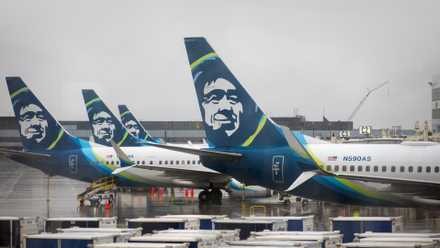
Alaska Airlines Strips Miles Earning For Basic Economy Passengers Starting This Summer
The change comes in a market where many legacy carriers have done the same.
The Corporate Domino Effect

The movement initiated by United Airlines has, of course, triggered a rapid competitive alignment across the domestic aviation sector throughout the remainder of the year. Expectation for other major US carriers to follow was a given, considering that when one airline makes a change, the others will always follow. In fact, many industry analysts, including Reuters, predicted that before the end of 2026, basic premium cabin fares will appear at all major US carriers.
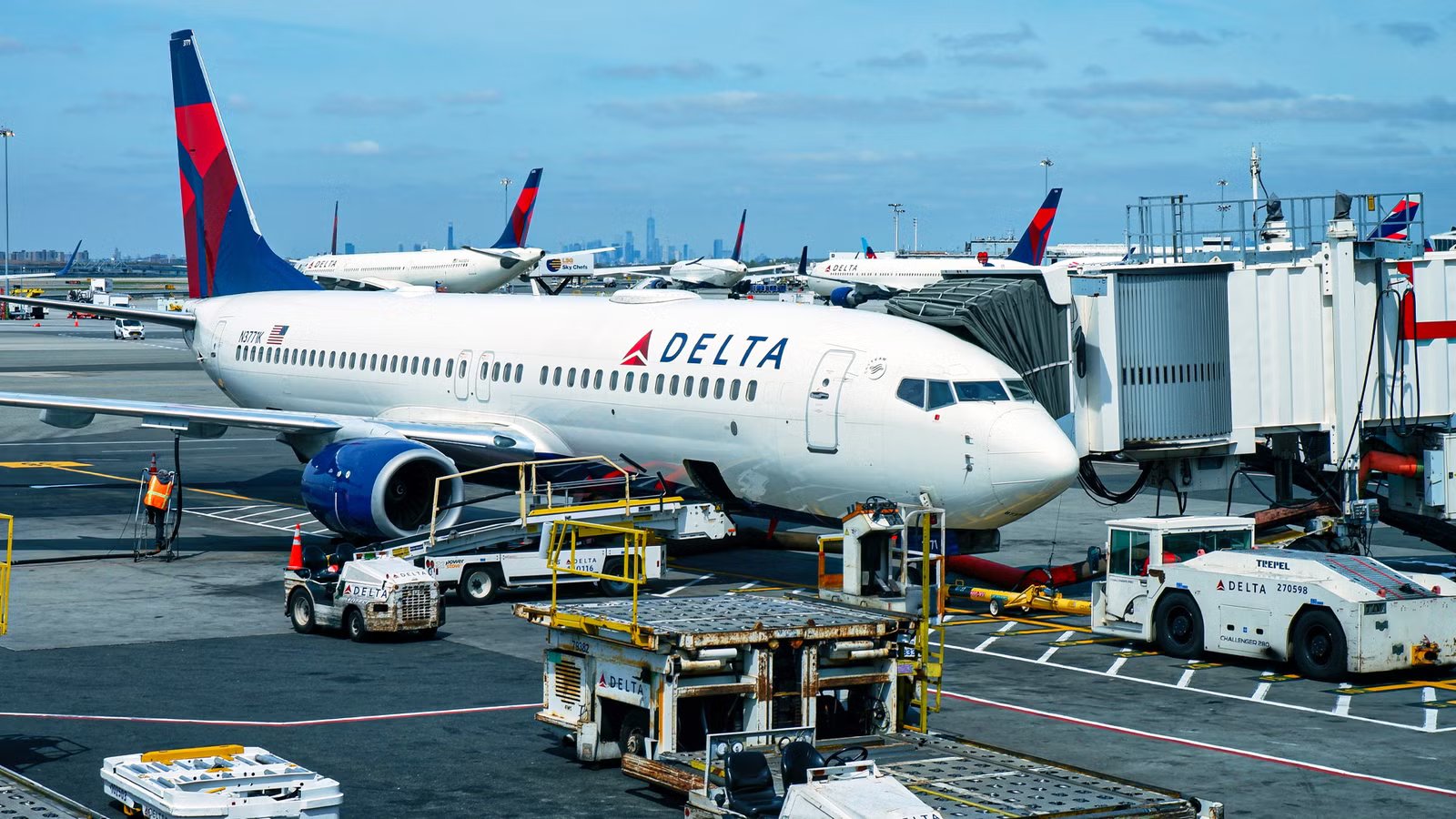
Attention is now firmly fixed on Delta Air Lines, who will seek to move the basic fare to Delta One. The carrier is widely expected to replicate the tiered framework imminently to capture the high-margin ancillary streams currently enjoyed by its chief rival. It is a classic example of a corporate domino effect that highlights how quickly an aggressive revenue model can transition from an experimental trial into a mandatory industry standard.
The pressure to match these fare structures is amplified by Wall Street’s constant evaluation of passenger revenue per available seat mile. When one airline proves it can extract massive ancillary margins from premium travelers without triggering a mass defection, competing boards face immense shareholder pressure to follow suit. The reality leaves little room for competitive sentimentality or brand differentiation. As a result, the domestic market is moving toward a unified environment where standard business class privileges are explicitly gated behind secondary pricing tiers.
Navigating Business Lite

The permanent introduction of basic premium products forces a total rewriting of corporate travel policies and personal booking strategies. Corporate accounts can no longer simply specify business class travel without inadvertently stripping executives of lounge access and flight flexibility. Bringing this added complexity means procurement departments must meticulously update their internal guidelines to differentiate between unbundled tiers and standard premium tickets.
It is possible for travelers to mitigate the sting of these hidden exclusions by taking advantage of alternative avenues of premium access. Maintaining high-tier frequent flyer status or holding specific co-branded credit cards can often bypass airline-imposed restrictions, granting lounge entry and complimentary seat selection regardless of the ticket bucket purchased. Furthermore, consumers should begin to cultivate a habit of reading the fine print during the booking flow rather than clicking through to payment based solely on a headline price.
So where does this leave us? The traditional definition of luxury aviation is being quite drastically redesigned to favor the corporate balance sheet. The lie-flat seat has transitioned into a commoditized asset, while true premium hospitality is treated as an optional add-on. Even if the front-row travel remains accessible to a broader demographic via lower entry points, the complete, seamless luxury experience will remain strictly reserved for those willing to pay a true premium price.