dailynewsnblog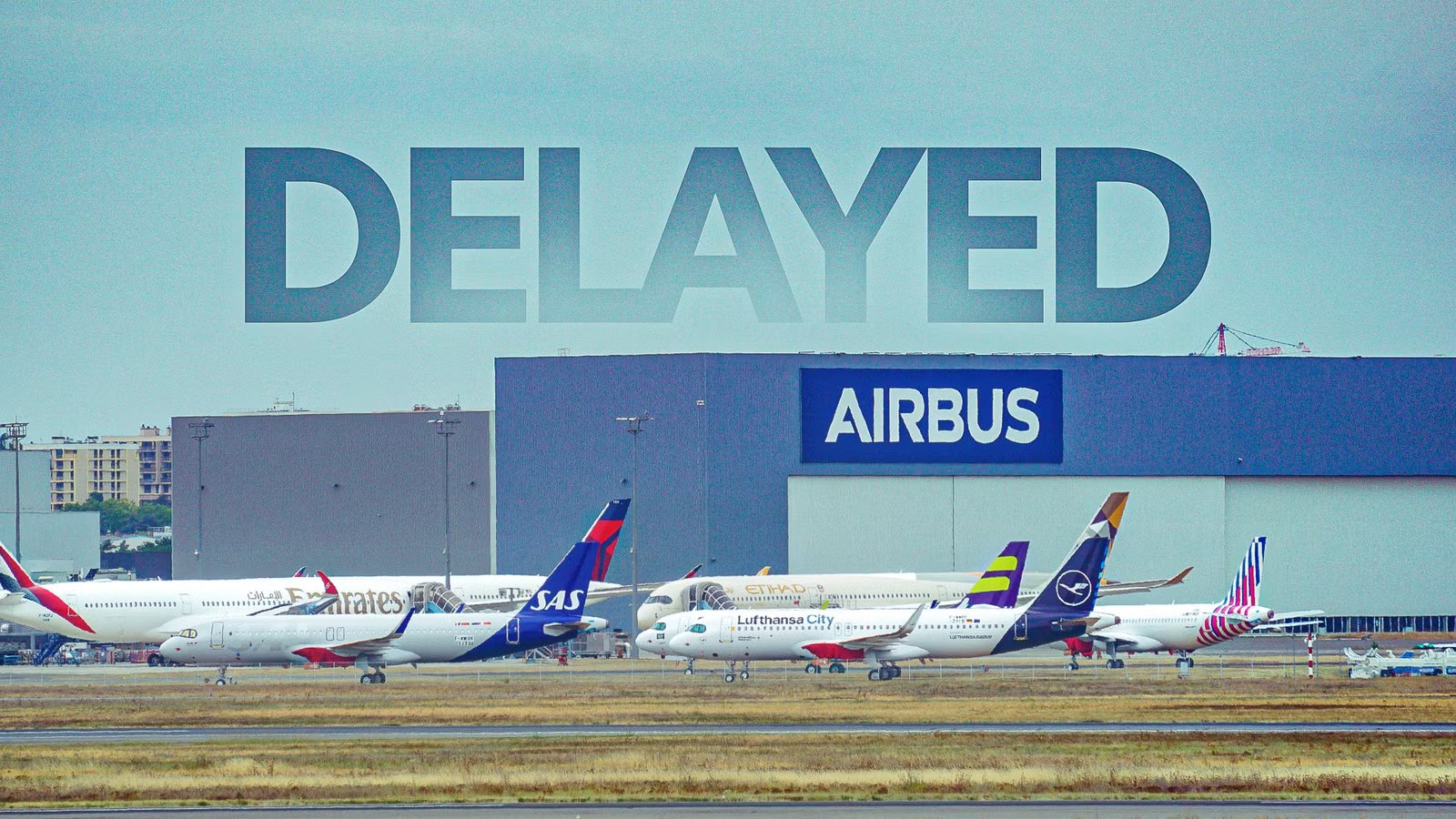
For decades, Airbus and Boeing have shaped commercial aviation through successive aircraft. From the Airbus A300 in the 1970s and the Airbus A380 to the Boeing 777 family, both manufacturers have redefined airline fleets worldwide. Now, they are looking beyond their current production lines. Boeing has hinted that it is studying a successor to the 737 MAX, and Airbus has signaled that it is working towards an eventual replacement for the A320 family.
However, the European manufacturer has now made it clear that its next all-new aircraft will have to wait until at least the next decade. The company is focusing on increasing production of its existing aircraft and reducing its order backlog. It continues to face supply chain disruptions, labor shortages, and delays across its industrial network. Engine suppliers are also dealing with manufacturing challenges, which have slowed aircraft deliveries.
What Airbus Is Developing For Its Future Aircraft

In recent years, Airbus has explored several future aircraft concepts, including a stretched A220, commonly referred to as the A220-500, a hydrogen-powered four-engine turboprop, and an eventual successor to the A320 family. During the Airbus Summit in Toulouse last year, the manufacturer outlined several of the developments and technologies it expects to feature on its future narrowbody aircraft. It said the aircraft would be designed to operate entirely on sustainable aviation fuel (SAF) and target a 20% to 30% reduction in fuel burn. One of the biggest changes under development is a new wing.
Airbus is working on a longer and thinner wing that would improve lift and reduce drag. Plus, the design will incorporate folding wing tips. The concept draws inspiration from the flight characteristics of birds, particularly the albatross. The company’s Wing of Tomorrow program is supporting that work; in 2023, the company opened its Wing Technology Development Centre at Filton in the United Kingdom to accelerate wing research and development. Furthermore, it is currently evaluating several engine technologies for the aircraft. The leading option is the open-fan concept, which is being developed by CFM International.
Unlike today’s turbofan engines, the design uses larger, exposed fan blades instead of enclosing them within a nacelle. Airbus and CFM believe the technology could reduce fuel consumption and carbon emissions by around 20% compared with today’s most efficient single-aisle engines. Besides, the manufacturer is also studying lighter composite materials alongside a new aircraft systems architecture that brings together electrification, digital technologies, and connectivity.
Airbus Is Prioritizing Deliveries Over A New Aircraft

Airbus had previously indicated that it was targeting around 2030 for the launch of its next all-new aircraft program. However, that timeline has now slipped as the company shifts its attention toward delivering the thousands of aircraft already on order. Speaking at the Berlin Aviation Summit on June 9, Airbus CEO Guillaume Faury said the company’s engineering resources should remain focused on increasing production and delivering aircraft rather than developing a new airliner, as reported by Aviation Week.
He said, “We need to focus on priorities. I share this message with my suppliers: A good idea that is not focused on our priorities is a bad idea…Customers want to receive their planes as specified, on quality, on time.” The decision reflects the delivery challenges the manufacturer continues to face. During the first quarter of 2026, it delivered 114 aircraft, down from 136 during the same period a year earlier.
Additionally, April deliveries also declined 5.7% year over year. There have, however, been signs of improvement. Airbus delivered 81 aircraft in May, marking its strongest monthly performance of the year and exceeding the total recorded during the same month in 2025. Overall, it has booked 815 gross aircraft orders since the beginning of this year and continues to target 870 deliveries in 2026.
A Look At How Many Planes Airbus Builds Yearly
Explore the challenges and triumphs of Airbus’ global manufacturing empire.
Pratt & Whitney’s Engine Problems Continue To Slow Airbus

One of the biggest factors slowing Airbus deliveries has been ongoing supply chain disruption, particularly involving Pratt & Whitney’s Geared Turbofan (GTF) engines. The engines power at least 40% of the A320neo family, Airbus’ best-selling aircraft. However, Pratt & Whitney has been dealing with manufacturing issues involving contaminated powdered metal used in certain engine components. This has left hundreds of A320neo family aircraft grounded as airlines wait for engine inspections and repairs.
Along with that, it has also affected Airbus’ production plans. The manufacturer has accused Pratt & Whitney of reducing the number of engines allocated to its final assembly lines. Indeed, the A320 family remains the backbone of the manufacturer’s commercial aircraft business. In fact, it became the most-delivered airliner family in aviation history in October 2025. Such strong demand has led Airbus to steadily increase its production ambitions to 75 aircraft per month.
Subsequently, to support higher production rates, it has continued expanding its industrial footprint. In October 2025, the manufacturer opened a second A320 Family final assembly line in Mobile, Alabama, and also inaugurated a second A320 Family final assembly line in Tianjin, China. However, ongoing engine delivery delays have forced Airbus to postpone its planned production target from 2026 to late 2027. Currently, the A320 family also accounts for the majority of Airbus’ order backlog.
Catch what other flight trackers miss
Emergency squawks, holds, NOTAMs — live signals, no signup.
Open tracker
Catch what other flight trackers miss
Emergency squawks, holds, NOTAMs — live signals, no signup.
Open tracker
The A321XLR Is A Clear Example Of Airbus’ Production Challenges

Indeed, the challenges are perhaps best illustrated by the Airbus A321XLR program. The extra-long-range narrowbody has experienced notable production delays as supply chain constraints continue. For instance, many of the components used across the program, including forgings, castings, brackets, wiring harnesses, and cabin sub-assemblies, are supplied by smaller tier-two and tier-three companies. Many of those suppliers have yet to fully recover from the labor shortage and financial pressures experienced during the COVID-19 pandemic.
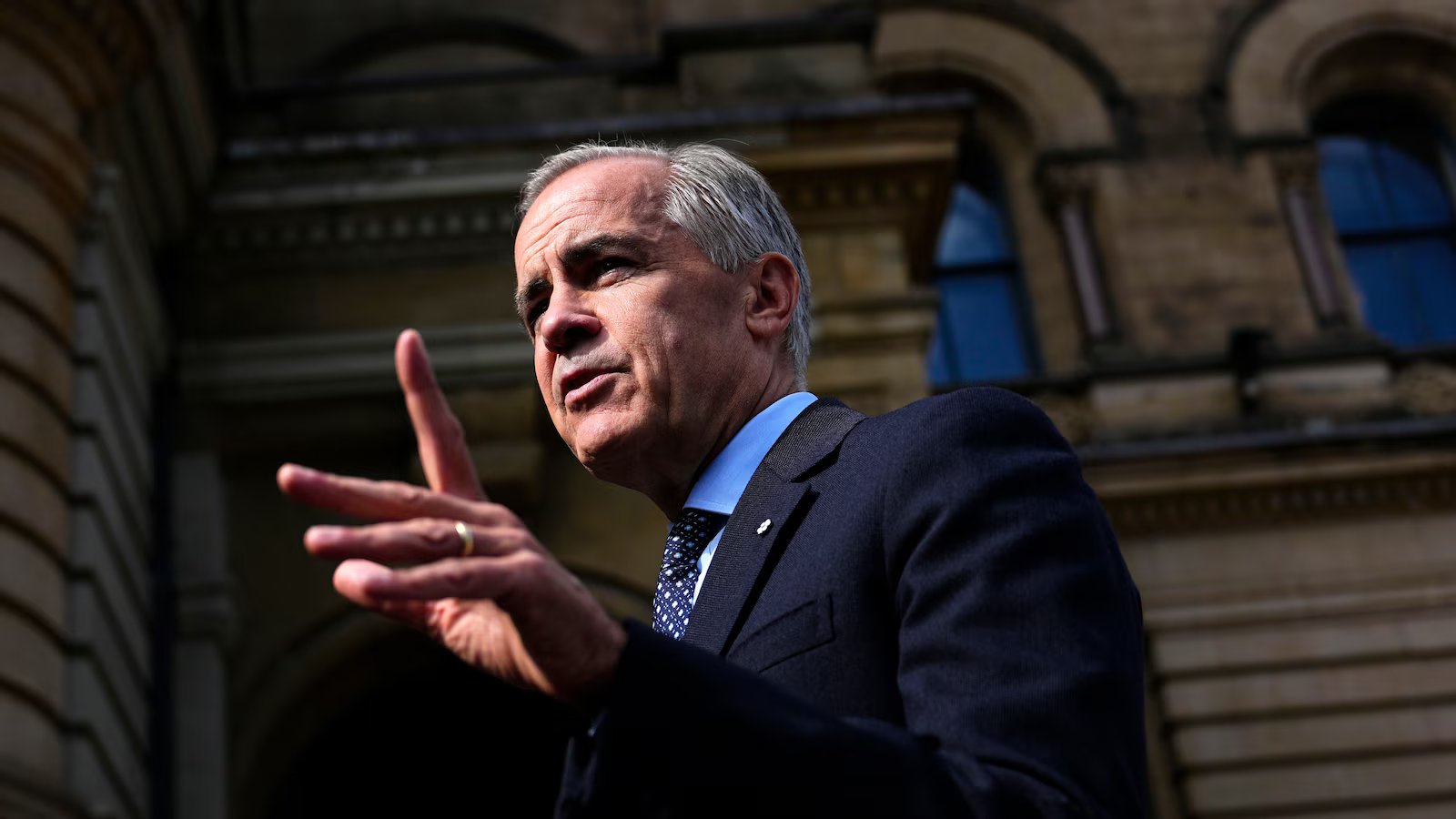
The aircraft has also faced delays involving engines, seats, galleys, and lavatories. Of course, the specific supplier varies depending on each airline’s cabin configuration, but companies such as Safran, Rockwell Collins, and Recaro have all been affected by supply chain disruptions. Several airlines have publicly acknowledged the delays. “On the XLR program, unfortunately, we have been on the receiving end of several delays in the program, and these aircraft are, you know, the better part of two years late from what we originally anticipated when we made the order,” Air Canada Executive Vice President and Chief Operations Officer Mark Nasr told Reuters.
He added, “It’s not specific to just anyone, but there still is friction in the system and we’ve had to adopt our business to be candidly much more flexible.” The planemaker has since redirected resources toward the A321XLR program as deliveries gradually gather pace. Air Canada, which has ordered 30 A321XLRs, received its first aircraft in April, while United Airlines took delivery of its first aircraft earlier this month.
6 Reasons Why Airbus Could Dominate 2026
Airbus enters 2026 with record deliveries, A321neo/A321XLR dominance, A350 strength, and global production scale ready to shape the aerospace market!
Engine Development Is Also Delaying Airbus’ Next Aircraft

Indeed, the size of Airbus’ backlog alone explains why the manufacturer is prioritizing deliveries over launching a new aircraft program. However, another factor has also contributed to pushing the timeline further into the future: engine technology. As noted previously, the European planemaker is considering CFM International’s Revolutionary Innovation for Sustainable Engines (RISE) open-fan concept for its future aircraft.
Unlike conventional turbofan engines, the RISE concept uses an open-fan architecture that leaves the fan blades exposed rather than enclosing them in a nacelle. This is designed to move a greater volume of air at lower speeds, improving propulsive efficiency. The company expects the technology to deliver more than a 20% improvement in fuel efficiency compared with today’s most advanced engines.
In addition, the engine is also being developed for compatibility with 100% sustainable aviation fuel and potential hybrid-electric technologies, which align with Airbus’ long-term plans for its next-generation aircraft. Since the engine is expected to play a central role in the aircraft’s performance, the manufacturer is unlikely to launch the program until the technology is more mature. Engine testing was initially expected to begin in 2027 but has since been delayed until 2029. As a result, an aircraft program launch before 2031 now appears increasingly unlikely.
From Growth To Deliveries: Airbus’ New Reality

Hopefully, Airbus will be in a position to launch its next all-new aircraft program sometime during the next decade. Given the challenges the manufacturer is currently facing, however, delaying that decision appears to be a strategic one rather than a technological limitation. Airbus has thousands of aircraft still to deliver, and ensuring those customers receive their orders has become the company’s immediate priority.
A commercial aircraft consists of millions of individual parts sourced from suppliers around the world. Every component must arrive on time and meet strict quality standards before an aircraft can be delivered. Delays affecting even some critical parts can disrupt the entire production process. Under those circumstances, prioritizing deliveries over the launch of another major aircraft program is a logical step.
More broadly, Airbus’ decision reflects a wider shift taking place across the commercial aviation industry. The sector has moved from a growth phase, where manufacturers concentrated on developing new aircraft, to a delivery phase focused on increasing production, stabilizing supply chains, and working through record order backlogs. If the current timeline holds, Airbus’ next all-new aircraft program is now expected to launch roughly 27 years after the A350 program.