dailynewsnblog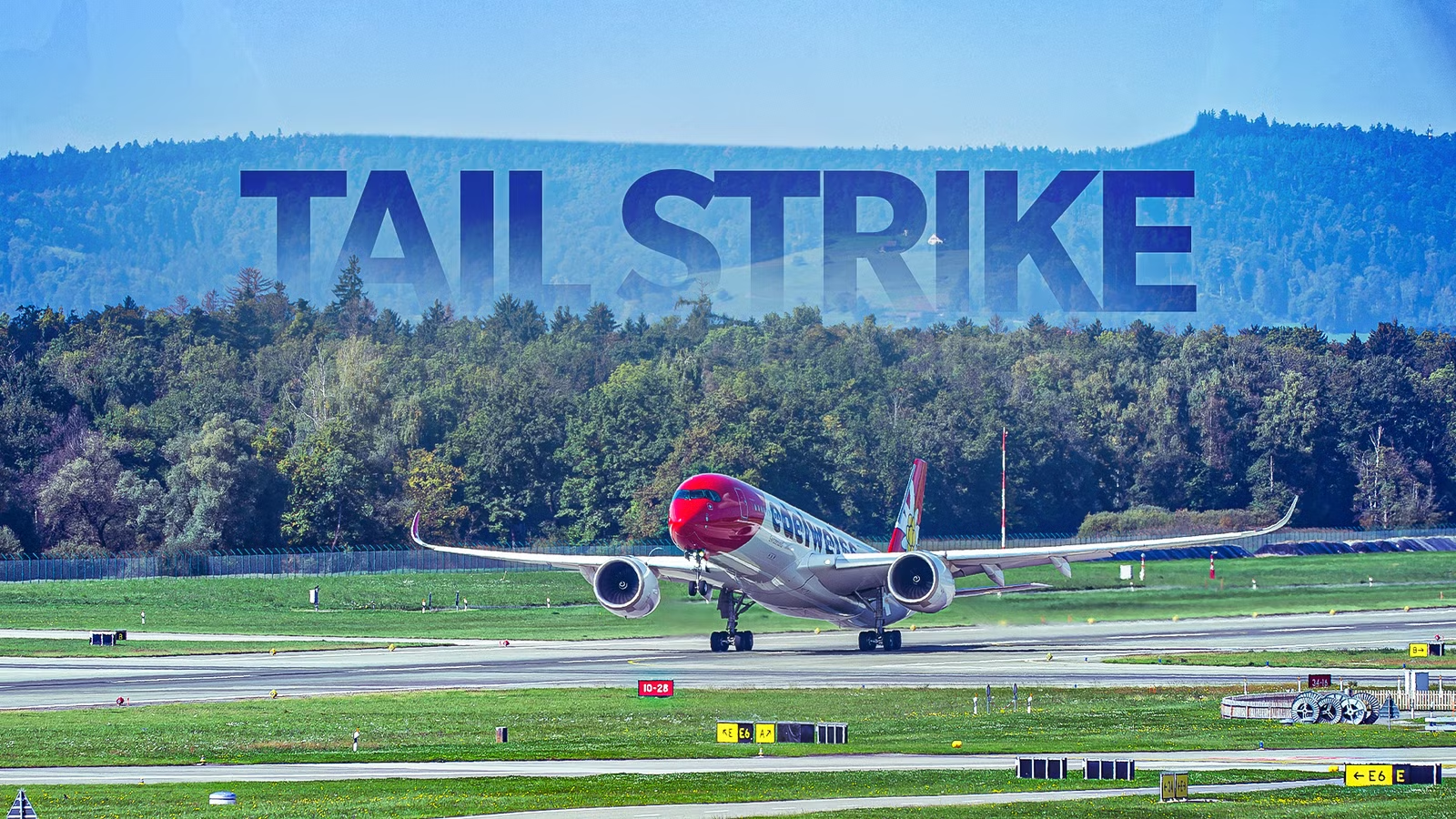
Modern widebody aircraft such as the Boeing 787 and Airbus A350 are designed using large amounts of carbon-fiber composite material. These materials are crucial to reducing the aircraft’s weight compared to older-generation aircraft. However, these materials can also be harder to detect and more complex to repair when an incident occurs compared to traditional metal (aluminum) airframes. For example, a Boeing 777 tail strike can sometimes be repaired in a matter of days if damage is limited to the tail skid, while severe cases can ground the aircraft for months. Something that is much more common because the Boeing 787 and Airbus A350 are roughly 50% composite by weight.
This extensive use of carbon-fiber-reinforced plastic helps reduce weight, lower fuel consumption, and improve corrosion resistance. In normal airline service, this is one of the key reasons why the 787 and A350 have become so popular with long-haul operators. However, when the rear fuselage suffers impact damage, for example from a tail strike, the same material technology can make the inspection and repair process much more complex. This does not mean composite aircraft are fragile or unsafe; after all, both the Boeing 787 and Airbus A350 were certified following extensive structural testing. However, compared with an older metal widebody such as the Boeing 777, a tail strike on a composite aircraft can be harder to assess, repair, and clear for return to service.
A Tail Strike Is More Than A Scraped Tail

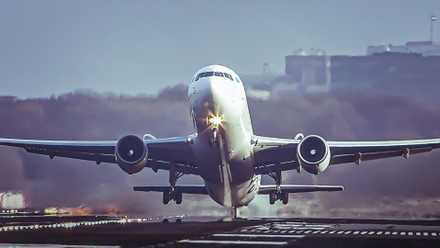
In aviation, the term tail strike is used when the rear part of the fuselage contacts the runway during takeoff, landing, or a go-around. Typically, a tail strike occurs after an excessive rotation angle on takeoff, an unstable or hard landing, or incorrect performance calculations. In minor cases, the damage may be limited to the tail skid or external panels, whereas in more serious cases the aircraft’s fuselage structure can be significantly damaged. This latter is particularly important since the rear fuselage forms part of the pressurized aircraft structure.
If the damage is too significant, it might affect cabin pressurization and become no longer just a cosmetic problem. Boeing has previously warned that unrepaired tail-strike damage can become serious if the aircraft continues to fly with damage to the pressurized fuselage. That’s why engineers must determine whether the aircraft can safely withstand repeated pressurization cycles, aerodynamic loads, and structural stresses following a tail strike. This is where the aircraft can quickly move from a line-maintenance inspection to a lengthy hangar repair.
Why Composite Damage Is Different

The biggest difference between a traditional metal fuselage and a composite fuselage is how impact damage occurs after an incident. On a metal aircraft, impact damage is often easier for an engineer to see, as they might find dents, cracks, buckled panels, and/or visible deformation. That does not make the repair automatically easy, but the damage often gives maintenance teams a clearer starting point.
Composite structures behave differently, and a relatively small scratch on the fuselage can hide damage beneath the surface. This can include damage to the aircraft’s fibers, the formation of microscopic cracks, or debonding between layers of composite material. As a result, repairing a composite aircraft cannot be based solely on what is visible from the outside. Instead, engineers need to understand how far the damage has spread beneath the surface and whether it affects the surrounding load-carrying structure. For airlines, this adds additional downtime as a maintenance team may need to conduct extensive testing, compare the findings with the aircraft’s structural repair manual, and involve the manufacturer if the damage goes beyond approved limits.
Often these tests require so-called non-destructive inspection methods such as ultrasonic testing, thermography, tap testing, radiography, or other specialist procedures. The tests help engineers determine whether the structure still has the required strength and whether the damage is limited or extends into deeper layers of the fuselage’s structure. As a result, a tail strike involving a composite aircraft can be a highly time-consuming process.
For comparison, while the Boeing 777 is not a simple aircraft, a serious tail strike can still cause the aircraft to be on the ground for an extended time; the 777’s more traditional aluminum fuselage makes certain types of damage easier to inspect and repair. Some Boeing 777 variants, such as the Boeing 777-300ER are also fitted with physical tail skid systems designed to reduce the probability or severity of a tail strike. However, it should be noted that the comparison made in this article should not be overstated, and a 777 tail strike is not automatically a quick repair. If the aircraft suffers damage to the aft fuselage, pressure bulkhead, systems, or surrounding structure, it can also be grounded for a long time.
Why The Airbus A350’s Carbon Fiber Fuselage Makes It Nearly Impossible To Repair After A Hard Landing
A phenomenon known as barely visible impact damage makes composite aircraft like the A350 much more difficult to repair after rough landings.
Composite Repairs Are More Complex

After the damage has been identified following extensive inspections and testing, the repair itself can be more complex for a composite aircraft than for a metal one. While a metal fuselage repair may involve much simpler processes, such as cutting out damaged material, installing a patch, replacing panels, or using fastener-based repairs, composite repairs can involve a different set of challenges.
This does not mean, however, that repairs on metal aircraft don’t require highly skilled, time-consuming processes. Technicians repair composite aircraft parts by removing damaged material, adding new composite layers, and using other complicated repair techniques not required for metal aircraft.
This is highly process-sensitive work. The quality of the repair depends on material handling, cleanliness, temperature, humidity, ply orientation, curing, documentation, and technician training. Composite repair materials may also need controlled storage conditions and can have shelf-life limitations. The result is that the aircraft may need to be moved to a specialist facility or kept in a hangar for an extended period. Even after the repair is complete, further testing may be required before the aircraft can return to commercial service.

Why Doesn’t The Boeing 787 Use Traditional Aluminum Construction?
Lightweight, strong, and flexible, composite materials are the wave of the future.
How Tail Strikes Look In Practice

To make the above more tangible, we can use a number of examples of real-life tail strikes. The first example is of a LATAM Airlines Boeing 777-300ER tail strike at Milan Malpensa (MXP) on July 9 2024. The aircraft suffered a serious tail strike during takeoff and returned to the airport after holding to burn fuel. Although the 777 is a metal-fuselage widebody, the aircraft still required significant attention after the event and did not simply return to normal operations after a quick inspection. Investigators later found that an incorrect weight entry contributed to the incident, resulting in a very low rotation speed and prolonged tail contact with the runway. This clearly illustrates that a 777 tail strike is far from harmless, but that some 777 tail strike repairs may be more straightforward if the damage is limited and well understood.
A second example is on the opposite side and shown by the Air France Airbus A350 tail strike at Toronto Pearson International Airport (YYZ) in January 2024. The aircraft suffered a tail strike during a go-around after an attempted landing. It later landed safely, but the damage required extensive work. Initial repairs were carried out in Toronto before the aircraft was flown back to Paris and later to a maintenance facility in Toulouse. The aircraft returned to service in October 2024, almost ten months after the incident. For an airline, that kind of downtime is expensive. A long-haul aircraft such as an A350 or 787 is a high-value asset, and every day on the ground creates lost revenue, disruptions, costs, and inconveniences for passengers.
Safer Flights? Boeing Files Patent For Aircraft Tail Strike Prevention System
How might the system help prevent operational disruption following a suspected tail strike?
Beyond Tail Strikes

The complexity of composite damage is not limited to tail strikes; it also affects routine ground damage incidents, which can quickly become more expensive and time-consuming than they first appear. Minor ground impacts are already a costly issue for airlines, but composite structures can make the aftermath harder to assess because, similar to tail strikes, the visible damage does not always reflect the full extent of the structural damage underneath.
In some cases, damage may be barely visible or not immediately obvious, increasing the risk that a minor ground contact goes unreported and is only discovered after several rotations. When damage is found, repairs to composite structures often require similar, more complex repairs, increasing the operational impact of ground damage. That does not mean composite aircraft are unsafe, but it does mean airlines, ground handlers, and maintenance teams need a stronger safety culture around reporting even minor contact with the aircraft.
The Boeing 787 has also shown that composite-heavy aircraft bring maintenance considerations beyond impact damage. In one proposed FAA airworthiness directive, the regulator warned about corrosion affecting certain lavatory fittings on the 787, linked to the interaction of aluminum and carbon fiber in a wet lavatory environment. While unrelated to tail strikes, the issue illustrates the broader point: modern composite aircraft are highly efficient, but they require different maintenance thinking. The challenge is not just repairing damage, but detecting it early, understanding how different materials interact, and ensuring that the aircraft is cleared to return to service with full confidence.
Catch what other trackers miss
Emergency squawks, holds, NOTAMs — live signals, no signup.
Open tracker
Catch what other trackers miss
Emergency squawks, holds, NOTAMs — live signals, no signup.
Open tracker