dailynewsnblog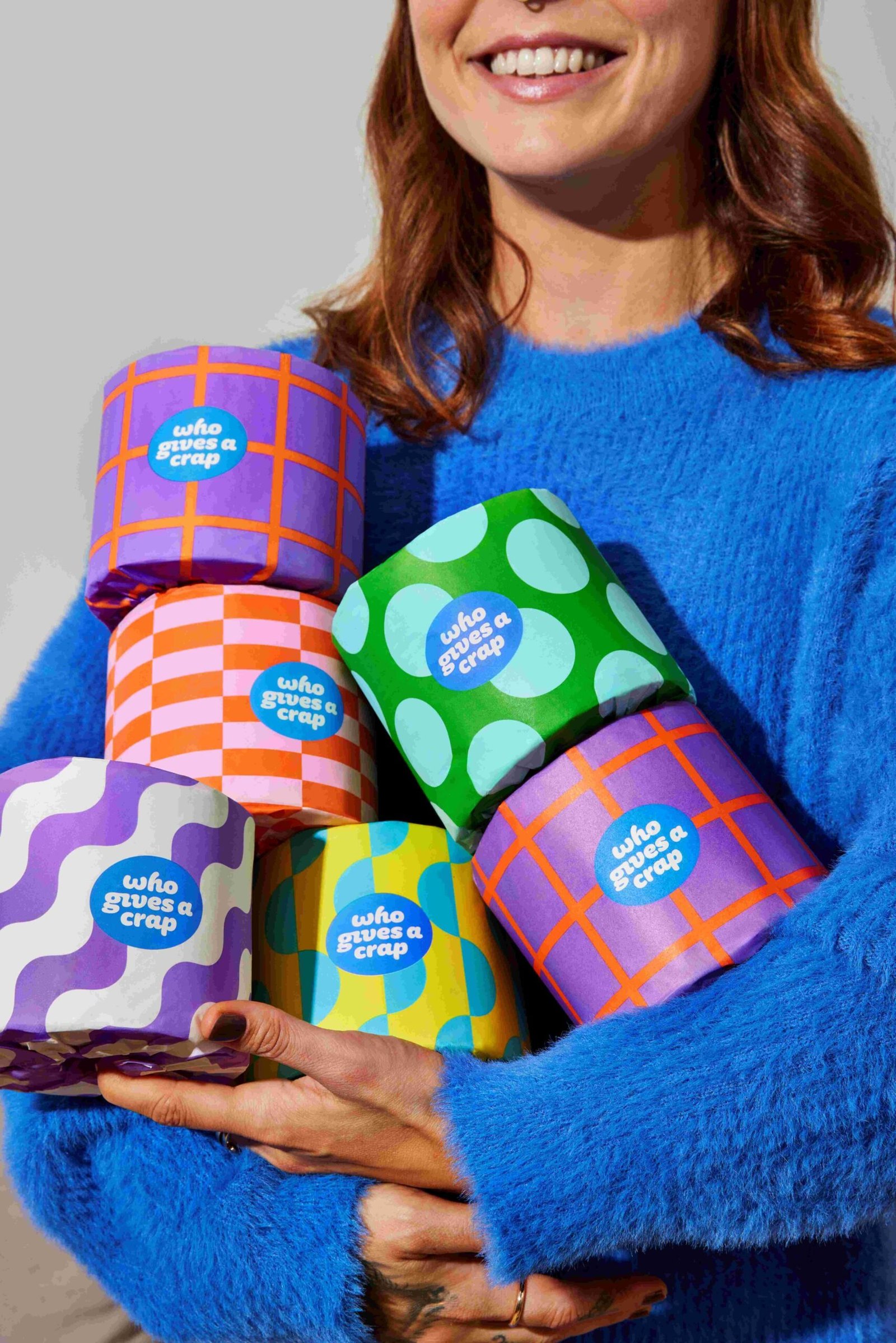
My partner and I take using the bathroom quite seriously in our small condo. We are proud owners of a higher-end bidet (we couldn’t not after honeymooning in Japan!) and a Squatty Potty, and we’re always shocked when we find that our loved ones are living bidet-free lives — cue “how do they do it?!” comments on the car ride home. My mission to create a top notch bathroom experience and hygiene protocol really knows no bounds… So much so that I find myself curious about these. (Why am I like this?)
Toilet paper is used on our most sensitive parts, and yet many store-bought brands contain forever chemicals (PFAS), use toxic methods like bleaching to remove the natural color from the tree pulp, and occasionally, formaldehyde is added to prevent the tissue from shredding or dissolving too quickly. Yikes! I’m actively cringing as I type this out.
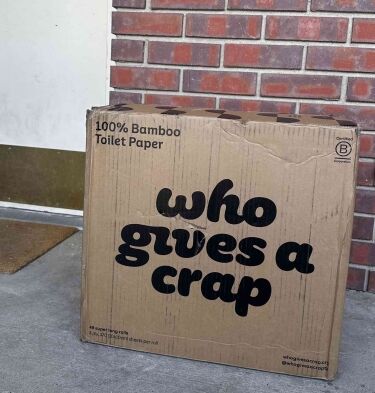
All that said (I promise not to talk about formaldehyde anymore), when I was given the opportunity to try both of Who Gives A Crap’s sustainable and nontoxic TP options — 100% Bamboo Toilet Paper and 100% Recycled Toilet Paper — I was thrilled!
What makes Who Gives A Crap different?
Toilet paper may not be a category most of us spend much time thinking about — we buy whatever’s on sale, toss it in the cart or add it to our grocery delivery, and move on. But if you’re already trying to reduce single-use plastic around your home or make more sustainable swaps, it’s actually one of my favorite places to start.
Who Gives A Crap has built its entire business around making that swap feel easy and impactful (and delightful, for what it’s worth). The certified B Corp donates 50% (!) of its profits to sanitation projects around the world, helping improve access to toilets and clean water in communities that need them most. It’s one of those companies where the mission and impact initiatives don’t feel tacked on as an afterthought; it’s been part of the business model since the very beginning in 2012.
The brand also skips plastic packaging, ships carbon neutrally, and offers both recycled and bamboo toilet paper. While bamboo has become a popular alternative to virgin tree pulp because it grows quickly and regenerates without replanting, the recycled option gives existing paper another life, so there’s an option for everyone, and you can choose which sustainability priority matters most to you.
Personally, I love voting with my dollar and I think Who Gives A Crap’s initiatives are genuinely impressive… But I’m rarely willing to sacrifice performance solely for sustainability’s sake. I think brands can and should do both, and Who Gives A Crap is one of the companies doing just that! So, let’s dive into the TPs and how each type performs.
“The brand also skips plastic packaging, ships carbon neutrally, and offers both recycled and bamboo toilet paper… there’s an option for everyone, and you can choose which sustainability priority matters most to you.”
My review of Who Gives A Crap
To get a fair comparison, I rotated both versions into our bathroom instead of testing one and immediately moving on to the next. My partner and I used both over several weeks, paying attention to all the things you’d expect from a good toilet paper: softness, strength, lint / residue (aka were we left with little papery bits where we want them least?), and how quickly we were reaching for a new roll.
Let’s talk about one of my number one priorities: softness. Both sustainable toilet paper offerings from Who Gives A Crap are soft. Now, I will say, they’re not exactly soft in the same way that some of the super-plush big box toilet papers are, but I would absolutely put them both in the soft category, especially compared to their competitors. Similar to the way fast fashion clothing brands can make polyester feel softer than 100% organic cotton (scroll up for a PFAS reminder), the benefits of a truly sustainable, bleach-free, slightly less soft toilet massively outweigh the risks associated with your average store-bought bath tissue — like endocrine disruption and skin irritation, to name a couple.
Beyond softness, I was impressed by how both the bamboo and recycled toilet papers performed. The sheets are sturdy enough that I never felt like I needed to use more than I typically tear off the roll. And while both are great options, I found myself reaching for the 100% Bamboo Toilet Paper whenever I had the choice. It’s just a bit thicker, and I especially liked the subtle textured dots on one side of the sheets, which gave it a little extra grip for cleaning without feeling rough. I also noticed that we weren’t replacing the roll as often as we do with our usual grocery store brand. The double-length rolls really do make a difference here, even though the rolls appear to the naked eye to be pretty standard in size.
“Beyond softness, I was impressed by how both the bamboo and recycled toilet papers performed. The sheets are sturdy enough that I never felt like I needed to use more than I typically tear off the roll. I also noticed that we weren’t replacing the roll as often as we do with our usual grocery store brand. The double-length rolls really do make a difference.”
Now, onto pricing. The 100% Recycled Toilet Paper costs $42 for 24 rolls or $68 for 48 rolls. The 100% Bamboo Toilet Paper, which I preferred, rings in at $49 for 24 rolls or $75 for 48 rolls. While it seems pricier than bottom-shelf brands, Who Gives A Crap rolls are double-length (most brands measure cost per roll instead of sheet, so their rolls end up being much shorter) and offer 3-ply cushiness. Ultimately, the cost per sheet works out to be on par with supermarket brands — if not more affordable. These prices get lower if you decide on a subscription, too, and you can pick the interval of time that works best for you. A win-win!
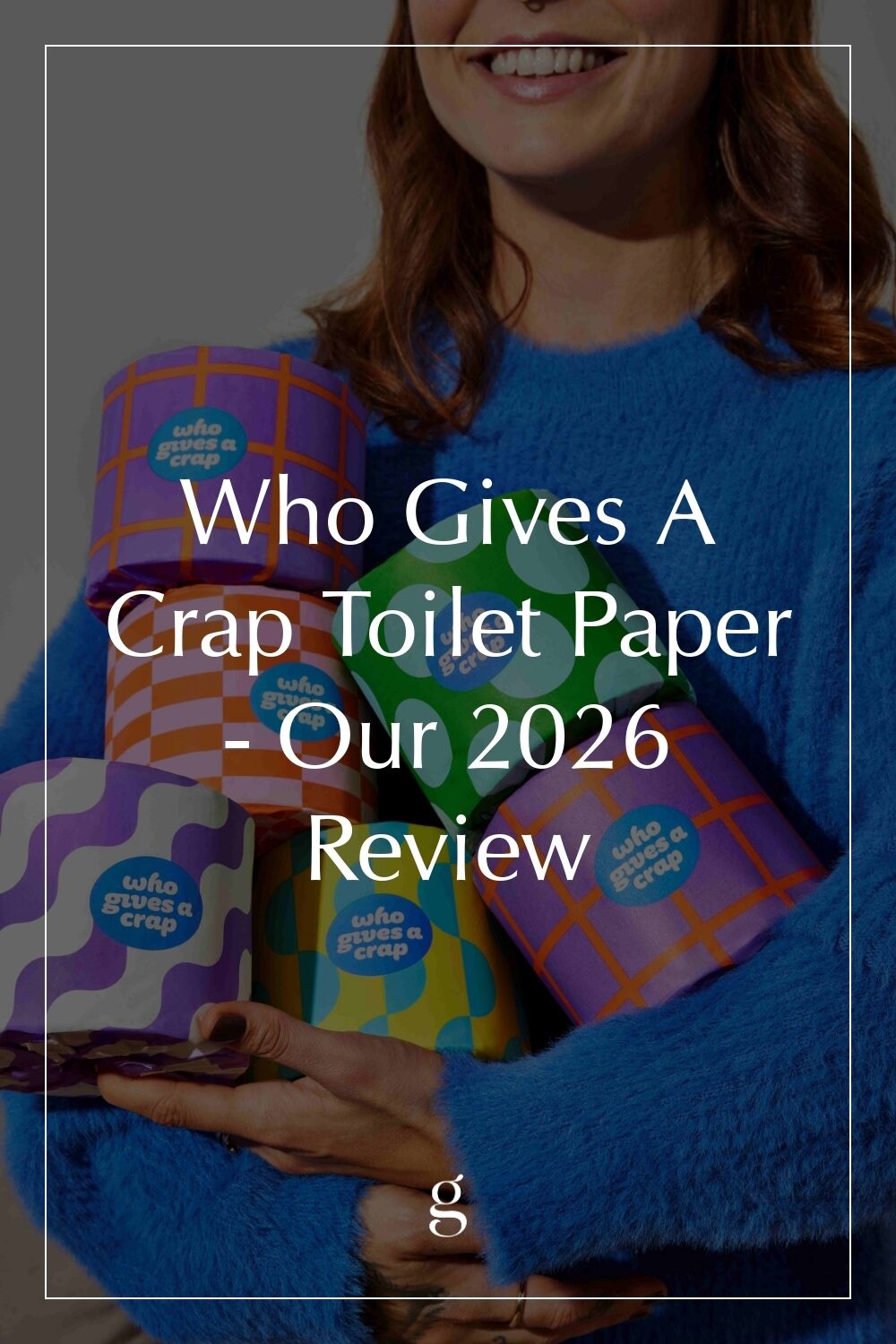
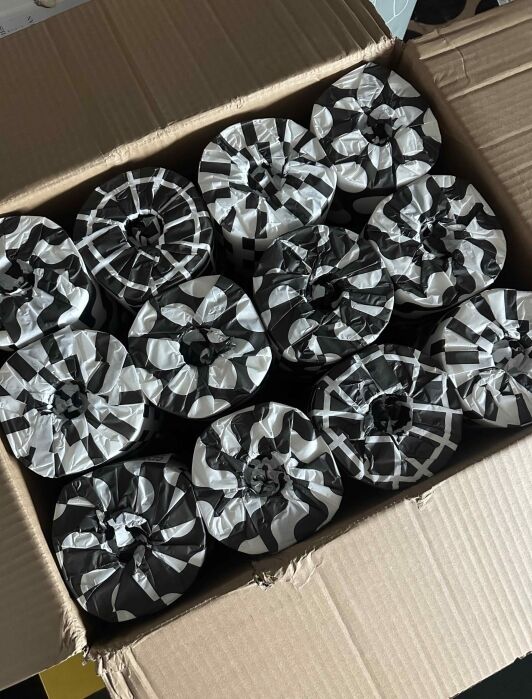
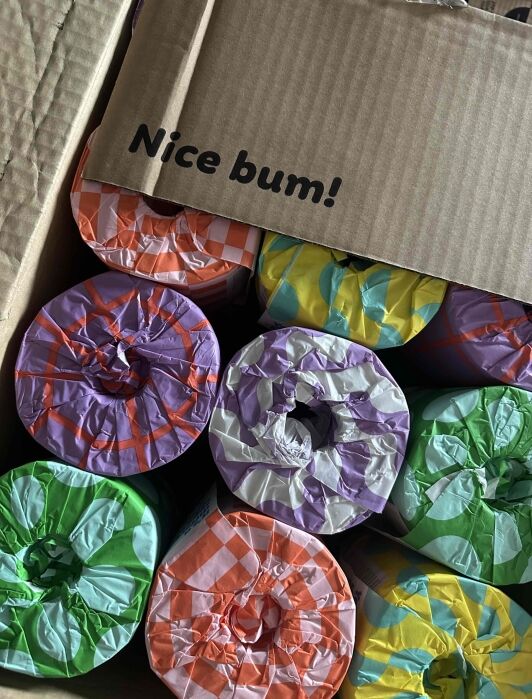
I must admit that opening the boxes up made me smile, which was unexpected from a product that, well, you wipe with. Every roll is individually wrapped in playful paper designs (recycled rolls are colorful and the bamboo are black and white, but no less joyful), and the whole experience feels a lot more like opening a box full of cylindrical presents than restocking a household essential. I find myself thinking of ways to use the hearty wraps — wrapping small gifts, filling the background of my junk journal pages, or saving for cushioning in any packages I send are a few things that have come to mind so far.
You may be asking yourself: Why does your toilet paper have to be cute? (It doesn’t!) Does it function any better because it’s in adorable packaging? Absolutely not, but it’s infinitely more fun and I’m always looking for ways to insert dopamine hits into my life and my home. Another detail we loved is that there’s one roll that is gold so you can designate that roll as one of the last — a reminder to order more!
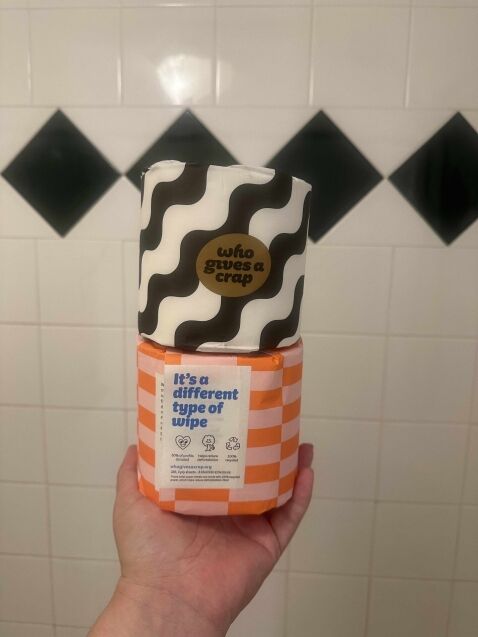
This isn’t really a knock against Who Gives A Crap so much as a reminder to know your space before ordering. If you have a basement, ample storage, or even just a decently sized linen closet, I’d recommend going big with a 48-pack on a subscription to get the best bang for your buck. But in my 700-square-foot condo, every inch counts, and I did end up having to be a bit creative with where to store the extra rolls. No sweat though, as the brand’s subscription options are flexible enough that I’d simply order fewer rolls or space deliveries out further next time.
It’s also worth noting that the brand’s sustainable home essentials don’t stop in the bathroom; I have my eye on its 100% Bamboo Tissues (3-ply, dye-free, with a plastic-free box) and other household and kitchen goodies — like Recycled Paper Towels, Recycled Trash Bags, and even Dog Poo Bags, all of which give landfill-destined plastic a second life — next time I need to restock.
The bottom line: Who Gives A Crap is worth it
I get it: Toilet paper isn’t exactly the most glamorous purchase we make as humans, but it is one of those products you use every single day. And when I’m looking at sustainable swaps to make around the house, I tend to prioritize the essentials I use the most (like toilet paper, multiple times a day). If I’m going to use something that often, where I spend my money matters to me — I’d rather spend it with a company that’s making a meaningful impact than with one that’s cutting corners and selling the cheapest roll possible.
Between the quality, fun designs, impressive sustainability efforts, and knowing that each purchase truly gives back, Who Gives A Crap has officially earned a permanent place in our bathroom.

Hannah Gerber is the Commerce Operations Coordinator at The Good Trade. With a background in marketing, brand strategy, and editorial, she’s spent the past several years working with mission-driven brands in the sustainability and wellness space, including as a founding team member at Daybird. Hannah lives in Denver with her partner and their three cats.