dailynewsnblog
Do you use your vehicle’s app to pre‑cool the cabin on a scorching day, confirm the doors are locked from bed, or have the car automatically call for help when the airbags go off?
Savor those connected, cloud‑based conveniences while you can—the clock is already ticking on their obsolescence. In a few short years, you may be driving today’s vehicle without many of the features you currently enjoy.
How we got hooked on the cloud
“Connected services”—cloud-based and networked features that let a vehicle communicate with external systems to deliver apps, data, and remote functions to drivers and passengers—have been around since the 1990s, when GM introduced OnStar as an option. Those early systems were mostly voice‑centric, but they still depended on centralized back‑end systems. Modern versions, which are fully data-driven and cloud-hosted, use much more sophisticated over-the-air data links to allow a considerably better feature set.
Today, virtually every volume brand offers some form of cloud-based telematics or a connected services stack. They can be deeply embedded, and most are fully integrated as the core of modern vehicle connectivity, supporting over-the-air (OTA) updates for the vehicle and app-based services for owners. As GM’s OnStar celebrates more than 30 years of service, a dozen others have joined, with each automaker branding its own unique services. HondaLink, Lexus Enform, FordPass, BMW ConnectedDrive, Volvo On Call, and Porsche Connect are just a few.
Despite their catchy marketing names, the systems are all functionally similar—each offers a very comparable feature set. Basics include remote lock/start, vehicle status and maintenance updates, location and tracking, and emergency assistance. Additional premium features include in-vehicle Wi-Fi hotspots, cabin preconditioning, stolen-vehicle tracking services, and concierge owner services.
Credit:
BMW
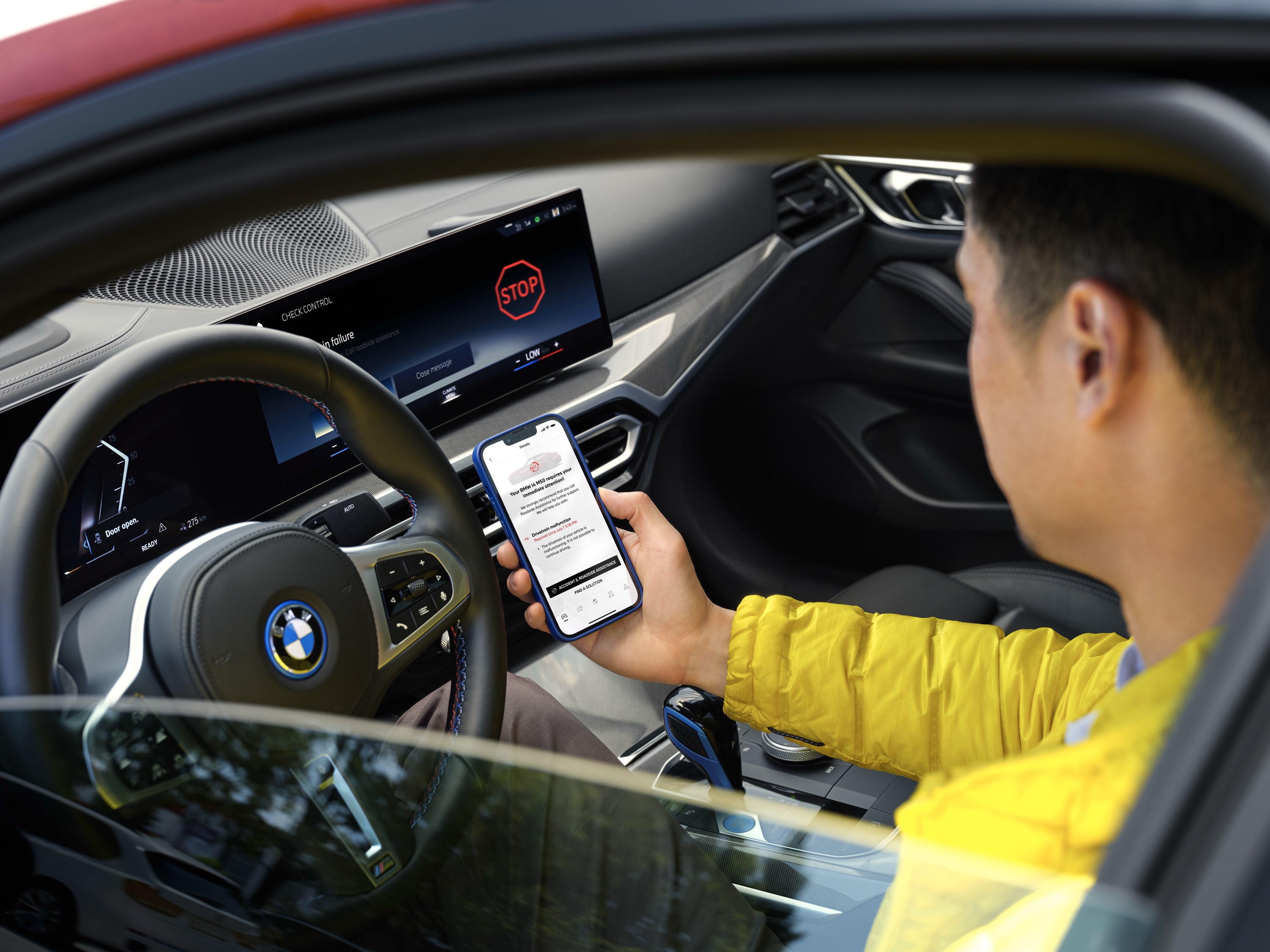
BMW’s service is called ConnectedDrive.
Credit:
BMW
Consumers have embraced the remote conveniences and demonstrated to automakers that they are more than willing to pay for them. After a bundled “free trial” following new vehicle delivery, manufacturers charge monthly fees or subscriptions for connected services.