dailynewsnblog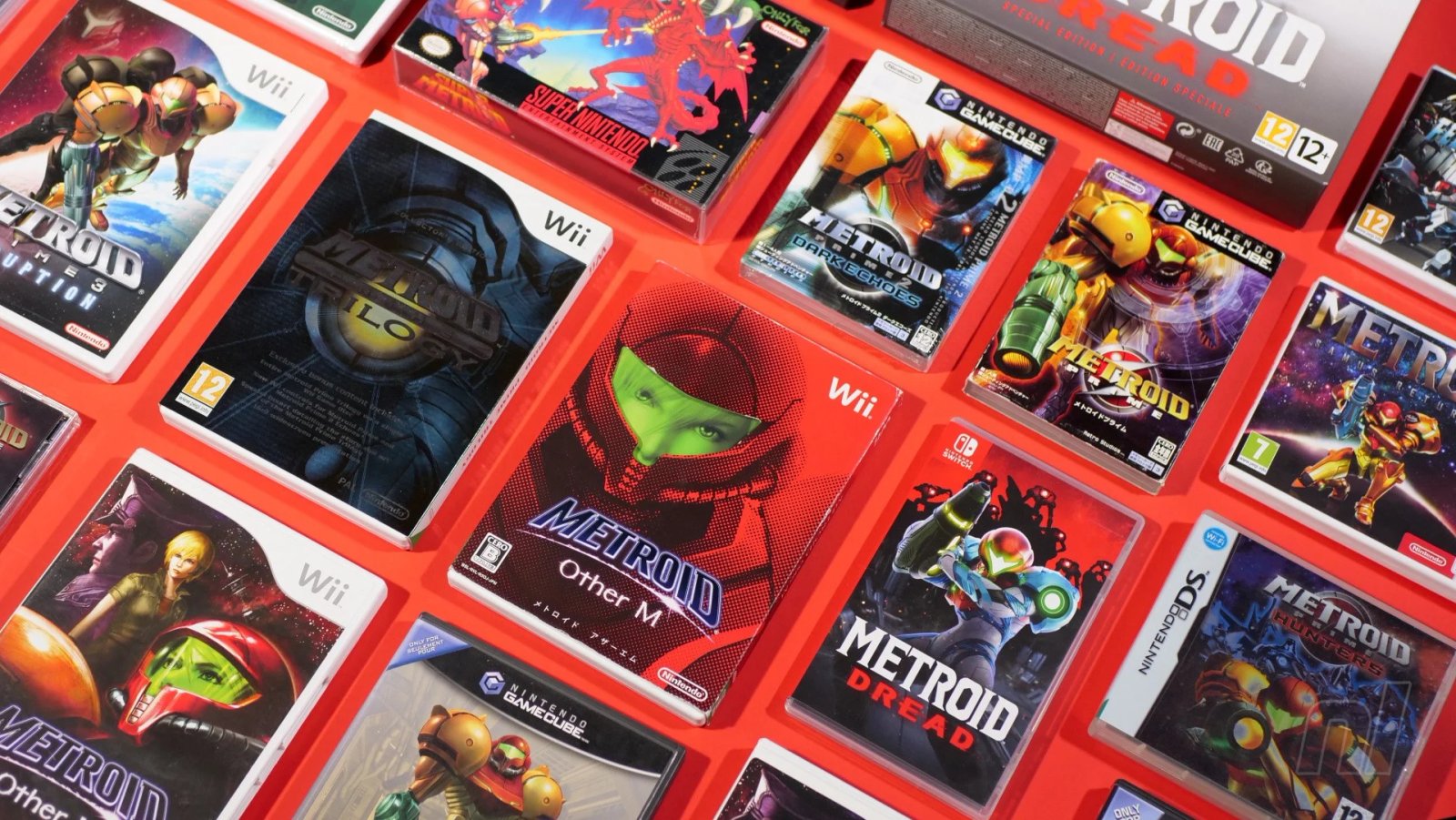
From Nintendo’s standpoint, changing the vibe of Metroid Prime made sense. Metroid, for as innovative and historic as it is, has never sold copies on the level of Nintendo’s other franchises. The biggest seller in the franchise comes in at just over 3 million units. If Nintendo wanted to maximise this IP, evolution was necessary.
However, the type of evolution chosen intrudes directly on what makes Metroid great and unique. There are flashes of it in Prime 4: the grassy sci-fi environments; those times where you’re trapped in a room gnawing at a puzzle; the satisfying, tight combat controls. They’re all quintessentially Metroid.
But these things are diminished when you have a voice crackling in your ear, or you have to use the new, wonky psychic powers mechanic, or when you’re riding through a barren desert for no good reason. Nintendo didn’t feel they could continue making the same old Metroid while maximising the IP, but the method pleased neither the core fans or gamers at large, with Prime 4’s sales underwhelming by first-party standards.

Dread, the best-selling game in the franchise, is my dream Metroid. A game that focuses completely on ‘feel,’ how it feels to shoot, to parry, to jump, to slide, the momentum of Samus’ running, the tactility of the environments – everything is tailored around tight controls and visceral visuals.
Released during a time when the Switch 1’s enormous install base was routinely turning niche first-party franchises into best sellers, Dread’s 3 million copies sold might have been considered the series’ ceiling, and maybe at that time, it was. These aren’t numbers that cut it for a Nintendo looking to expand their IP into billion-dollar big-screen franchises, but making games that twist Metroid beyond recognition isn’t going to help anything either. If anything, the gaming industry might be ready to meet classic Metroid where it’s at.
People are tired of AAA tropes and are looking to embrace games with unique visuals, interesting lore, dense atmospheres, and great-feeling, repeatable gameplay. Metroid has been doing all of that for decades now. The Metroidvania genre is also in the strongest position it’s been in since the ’90s thanks to the indie scene. Hollow Knight has sold five times as many copies as any Metroid game ever. The audience is out there for what Metroid was already doing.

If Nintendo are going to keep on experimenting until they find a formula that sticks, then I hope it’s done in a way that doesn’t intrude on the art. Metroid is at its best when it feels effortless for the player, while clearly taking immense effort from the developers. This feeling was perfected on the GBA, with both Fusion and Zero Mission being butter-smooth, exciting, creative, and scary – but never strained. Prime 4 reeked of strain, like Nintendo were desperately trying to please some version of a mainstream audience that was dwindling by the time the game finally came out.
I understand the value of change and evolution, but sometimes culture finds its way to you, rather than forcing you to contort to it. It happened with vinyl, it happens all the time with fashion, and I think it’s happening with gaming. Facing an all-digital future, AI use in game development, and price gouging by every big company in the industry, gamers are embracing the simplicity of the past. Not only could the classic Metroid formula please this fan terrified of change, but it could also be a path towards Metroid being the dominant franchise Nintendo and I both want it to be.