dailynewsnblog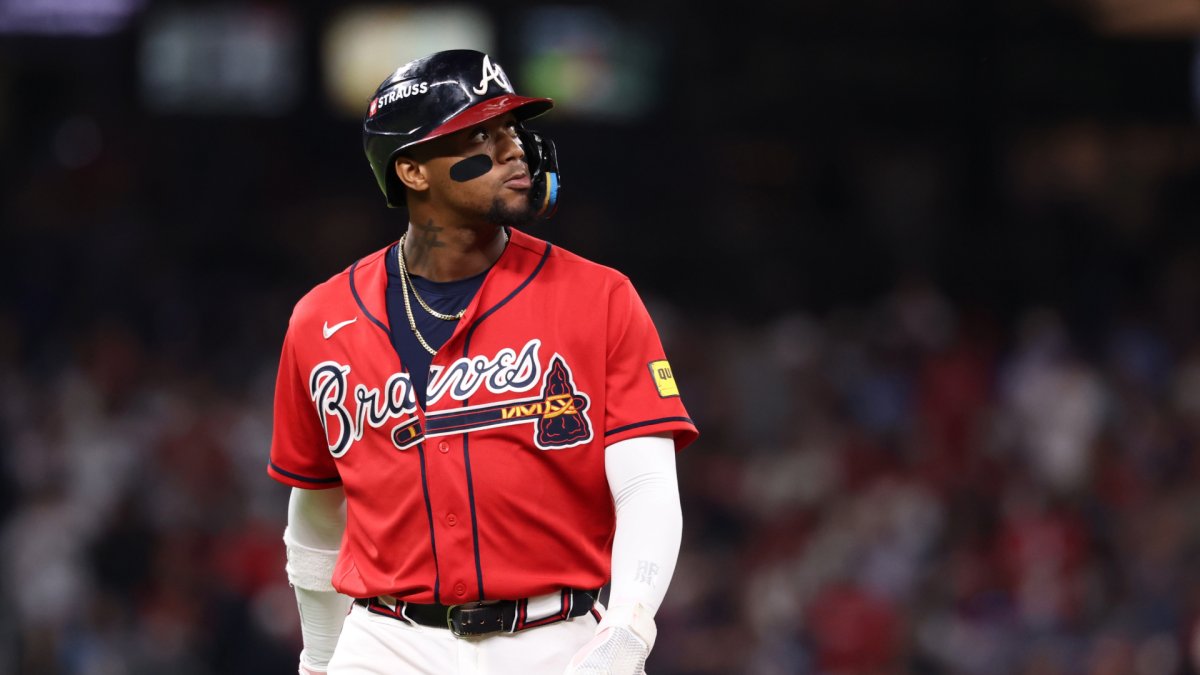
The Atlanta Braves’ 2026 season is over.
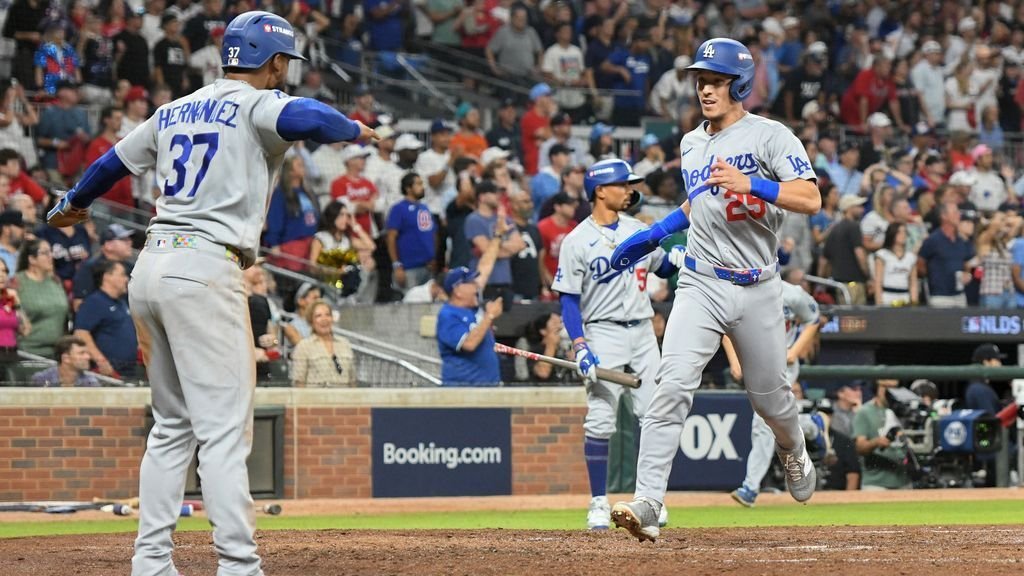
Coming off a 94-win regular season and National League East title under first-year manager Walt Weiss, the Braves came up short in the playoffs with Wednesday’s NLDS Game 4 loss to the Dodgers and were eliminated from the postseason.
Since winning the World Series in 2021, the Braves have won just one postseason series, this year’s Wild Card Series, and gone 5-12 in the playoffs.
On one level, the 2026 season was something of a success, as they bounced back from their disappointing and injury-marred 2025 campaign, the last under longtime manager Brian Snitker. Under Weiss and buoyed by better health, the Braves added a hefty 18 regular-season wins to their 2025 tally. The postseason outcome, though, meant that all that work led up to a sour ending.
The Braves remain in contending mode with several core contributors still under contract and an ownership group still presumably willing to spend toward the goal of winning baseball games. Obviously, the uncertainty surrounding the 2027 season and how it will look amid the ongoing CBA negotiations complicates matters, but the solid expectation is that the Braves will again go for it next season.
With all that in mind, let’s take a look at three key questions facing the NL East champs as their offseason gets underway.
1. Are some core members experiencing premature decline?
The Braves, under lead decision-maker Alex Anthopoulos, have been aggressive in signing in-house or newly acquired talents to long-term contract extensions. This has provided stability and a reliable core, all in the name of contention. At the same time, though, cracks may be starting to show within some of those key players.
Of particular concern is third baseman Austin Riley, his clutch homer in Game 1 of the Wild Card Series notwithstanding. From 2021 to 2023, Riley, in his age-24 through age-26 campaigns. notched three top 10 finishes in the NL MVP vote in as many years. Since then, however, he’s endured a steady pattern of decline. His OPS+ during that peak stretch above was 135, which means his park-adjusted OPS was 35% better than the league average. In 2024, his OPS+ dropped to 115. In 2025, it was 105, and this past season it cratered to 80, or 20% worse than the league average. If you look at his underlying batted-ball metrics, you’ll find that he wasn’t all that lucky in 2026. He largely earned those struggles, especially given his increasing strikeout, chase, and whiff rates. Signed through 2032, he’s a concern moving forward.
Elsewhere, second baseman Ozzie Albies, under a $7 million team option for next season at the back end of an absurdly team-friendly extension, is also caught in a pattern of decline. His OPS+ has dropped every season since 2023, and this season, he had far and away the worst quality of contact of his career at age 29. That doesn’t bode well moving forward.
Former NL MVP Ronald Acuña Jr. also saw a dip in production this season, even as he’s further removed from his second ACL tear. Of particular concern is that Acuña Jr., age 28 and under club options for 2027 and 2028, has seen his average exit velocities decline sharply and struggled to pull the ball in the air. By no means is Acuña Jr. any kind of liability, but the loss of batted-ball authority, if he doesn’t rediscover it, could mean his superstar days are over before they really should be.
Finally, there’s catcher Sean Murphy, who’s been injured for most of the last three seasons and often ineffective when on the field. The lack of production stings a bit more when you consider the Braves parted with William Contreras (an All-Star this season with the Boston Red Sox) in the three-way trade that landed them Murphy. He just turned 32 and is signed through 2028.
All is not bleak, of course. First baseman Matt Olson remains a top producer, and youngsters Drake Baldwin and Michael Harris II, both 25, are looking like foundational pieces for years to come. However, there are real, forward-looking concerns about those names above.
2. How much longer can Chris Sale keep it up?
The decorated lefty on the Braves’ watch has elevated himself from a “what could have been” kind of player into a future Hall of Famer. In three seasons with Atlanta, Sale has pitched to an ERA of 2.36 in 76 starts and one relief appearance and added 15.6 WAR to his career tally. This season, he continued to defy his age (37) with another stellar campaign:

Sale’s late-career velocity spike remains in force and this season he led the majors in K/BB ratio and struck out more than 30% of opposing batters. In other words, Sale’s been dominant at the run-prevention level and under the hood. All of that points to continued dominance, but there are no such guarantees when you’re talking about a pitcher with an injury history who turns 38 in late March.
If the Braves are going to remain atop the NL East and among the NL’s power teams in 2027, then they’ll need another age-defying effort from Sale.
3. Will they make a splash in the rotation?
Speaking of a hedge against Sale’s decline and a rotation behind him that’s full of question marks, it’s worth pondering whether the Braves will chase big game on the market this coming offseason. Yes, they’re forever in need of a shortstop, and the left field situation is also lacking. Another needle-mover in the rotation, though, is perhaps the most pressing need.
While the 2026-27 class of free agents isn’t particularly strong overall, there are some quite alluring starting pitchers available. The prize, of course, is Tarik Skubal, whom the Braves reportedly chased leading up to the most recent trade deadline. He’d be a huge boon to Atlanta’s hopes, as would be the case with any team. That’s not all, though. Names like Michael King, Casey Mize, Freddy Peralta and Trevor Rogers all make sense. There’s a drop-off after Skubal and King, so ideally for the Braves’ purposes, they’d fetch one of those two.
The Braves have $176 million committed to payroll next season before arbitration raises and Acuña Jr.’s $17 million club option. Perhaps there’s enough room, depending on the budget and how those CBA talks unfold. The Braves would do well to keep their foot on the gas as the Phillies continue to age, the Mets continue to meander and before the up-and-coming Marlins and Nationals are ready to challenge them for the flag.
Much in 2027 could hinge on how and to what extent the Braves choose to address their roster weaknesses.