dailynewsnblog
This is where the innocent-looking shopping list can begin to multiply.
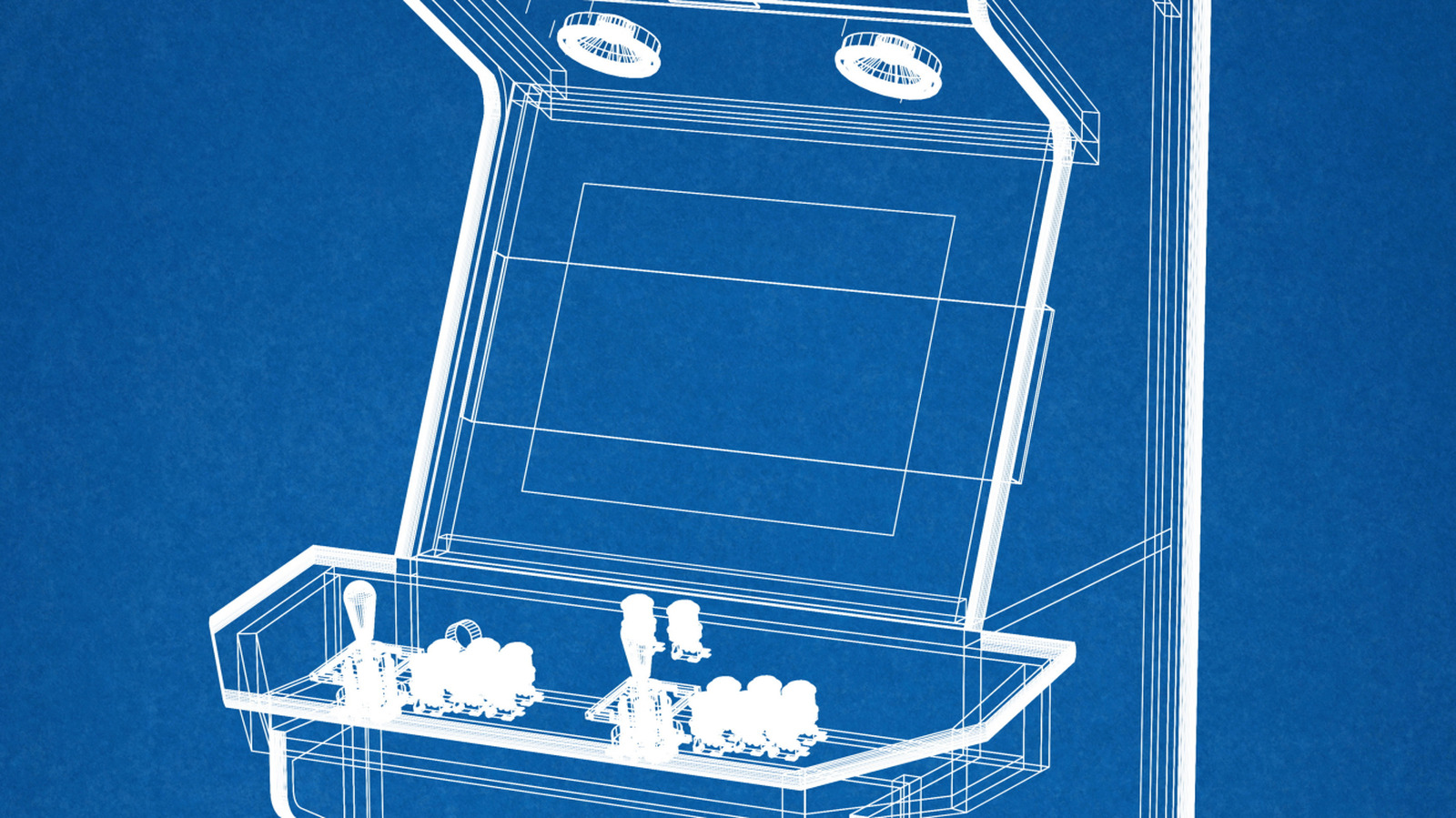
In addition to the cabinet, display and computer, you might require monitor mounting hardware, a microSD card or SSD, amplifier and speakers, a power strip, cables, cooling fans and a means to open the cabinet later without tearing up half of your work. Artwork, illuminated marquees, T-molding and coin doors can be installed after the machine becomes a machine.
Products from Game Room Solutions show how fast even a small build can add up. The basic bartop cabinet is on sale for $129.99, and a two-player joystick, button, wiring and USB encoder package is $44.99. Its speaker and amplifier package adds another $29.99. Add a $65 Raspberry Pi 5 2GB, and you’re up to about $270 without a display, storage, Pi power supply, cables or decorative parts.
Reusing hardware alters the math significantly. An old monitor and PC can eliminate two major purchases, and a DIY enclosure can beat a CNC-cut kit. However, if you start purchasing all the parts new, a full-size custom cabinet can exceed $1,000 without being particularly extravagant.
So, is it cheaper to build an arcade cabinet than purchase one? Sometimes. The best financial option is to be able to use hardware that can be reused or to construct the enclosure yourself, and the most reliable benefit is the control over the screen, games, controls and hardware within.
There is one more factor to consider with ROMs. MAME points users toward licensed software, ROM sets released for free non-commercial use or data they dump themselves from arcade PCBs they own.
Arcade1Up currently lists its Pac-Man Deluxe at $499.99.