dailynewsnblog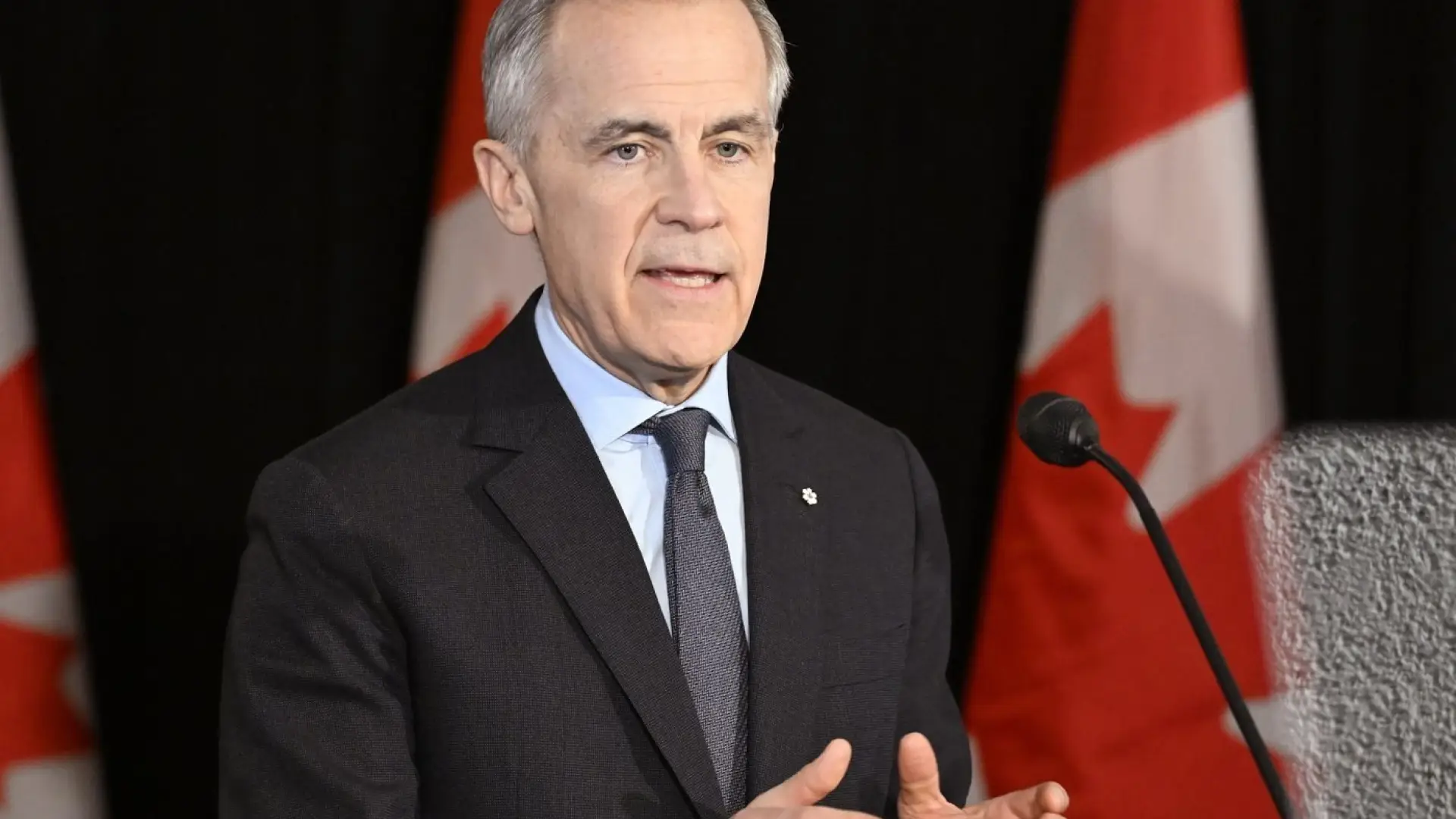
Here’s what we know about the Canada Groceries and Essentials Benefit.
Prime Minister Mark Carney today announced his government would introduce a temporary 25 per cent increase to the existing GST credit to help lower-income consumers deal with the high cost of groceries across the country.
Branded as the “Canada Groceries and Essentials Benefit,” the boost will be temporary, starting this year and lasting for five years.
The federal government will also issue a one-time payment this year worth 50 per cent of the credit.
How will this be done?
The government will need to make the change via legislation. Before any changes to the tax code are made, they must first be introduced in a ways and means motion. It must pass through the House before legislation can be brought forward.
A similar motion was passed last spring for the government’s income tax cuts and expansion of the GST rebate for first-time homebuyers.
Government House Leader Steven MacKinnon said on Monday the government was aiming to introduce the motion very soon.
Why this?
Carney said the cost of essentials has been “too high for too long” and many Canadians are feeling daily financial pressure.
He attributed the high prices to the after-effects of the pandemic on the economy, supply chain shocks caused by U.S. President Donald Trump’s global trade war and other factors, such as climate change.
He also made it clear at last week’s cabinet retreat, as well as this past weekend’s caucus gathering, that affordability was a top domestic priority for his government.
The food cost angle of the credit, which will be renamed the Canada Groceries and Essentials Benefit, bears similarities to the Trudeau-era grocery benefit in 2023. It was an increase to the GST rebate but framed as a way to provide extra money to help Canadians cover the cost of inflationary increases in food.
The government also said it’s setting aside $500 million from the Strategic Response Fund to “help businesses address the costs of supply chain disruptions without passing those costs on to Canadians at the checkout line.” Ottawa is also pledging to create a $150 million Food Security Fund under the existing Regional Tariff Response Initiative for “small and medium enterprises and the organizations that support them.”
And finally, the Liberals are pledging to develop a National Food Security Strategy and provide $20 million to the Local Food Infrastructure Fund for food banks.
with files from the Canadian Press