dailynewsnblog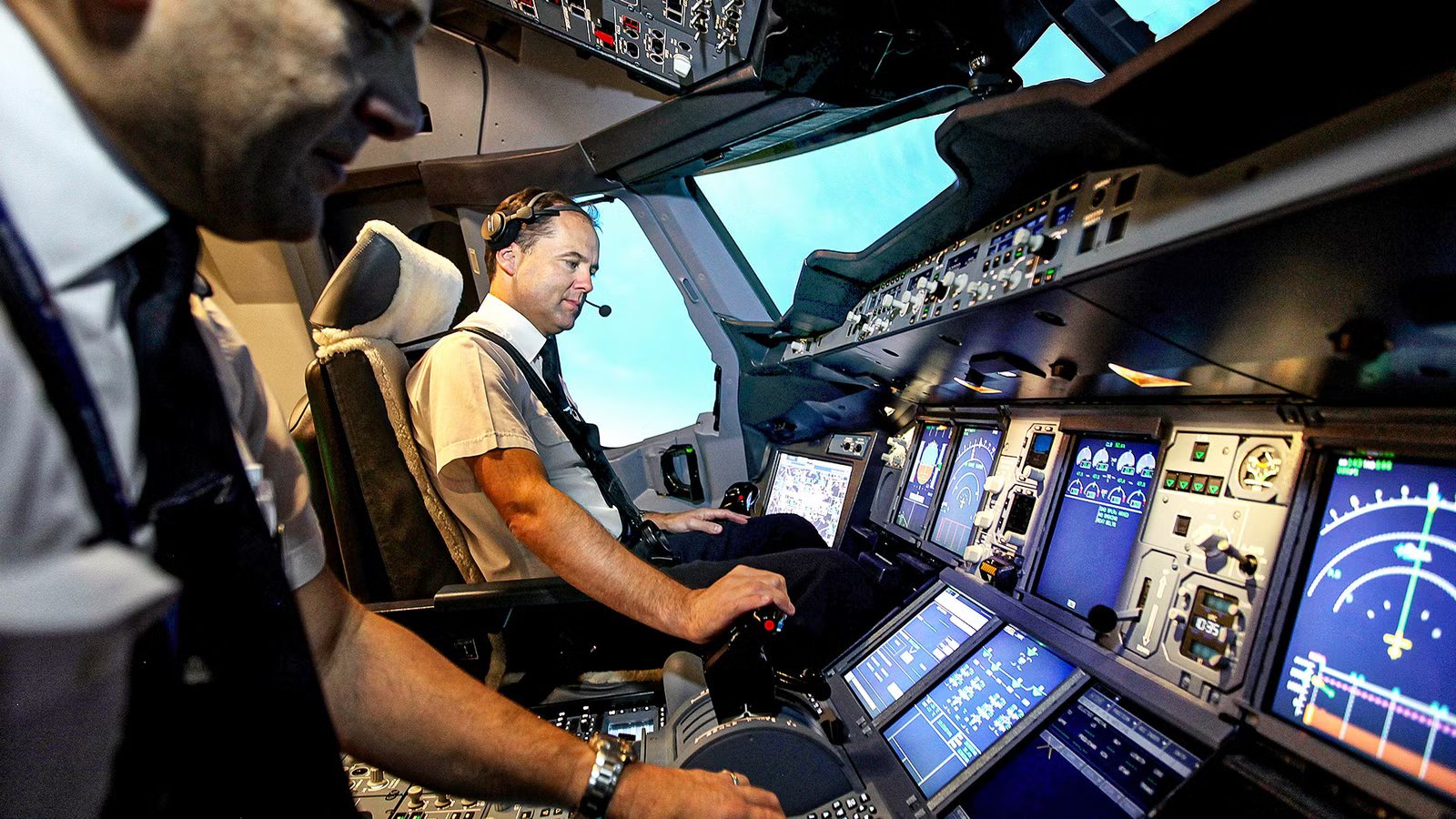
To many passengers, a long-haul flight looks deceptively simple from the cockpit’s perspective. Once the aircraft reaches cruising altitude and the autopilot is engaged, it is easy to imagine the pilots sitting back while the airplane essentially flies itself for the next 10 to 14 hours. Modern aircraft are incredibly automated, capable of controlling speed, altitude, navigation, and even portions of takeoff and landing. But automation only handles the physical mechanics of flying the aircraft; it does not replace the human decision-making, monitoring, communication, and risk assessment required to safely move hundreds of people across oceans and continents.
In reality, long-haul airline flying is closer to operating a mobile command center. Pilots spend the entire flight managing fuel strategy, monitoring weather systems thousands of miles ahead, communicating with multiple air traffic control regions, evaluating alternate airports, supervising aircraft systems, coordinating with cabin crew, and constantly preparing for emergencies that may never occur. On ultra-long routes crossing remote oceans or polar regions, crews operate in some of the most demanding procedural environments in aviation, where even small mistakes in navigation or fuel planning can have enormous consequences. The autopilot may hold the aircraft steady, but the pilots remain continuously engaged every minute of the journey.
Continuous Monitoring Never Stops

One of the biggest misconceptions about automation is that autopilot replaces the pilots. In reality, autopilot only follows instructions entered into the aircraft’s flight management system. Pilots continuously supervise the automation to ensure it is behaving correctly. Modern airliners contain a number of sensors and computers monitoring everything from engine temperature and oil pressure to hydraulic performance, electrical loads, cabin pressurization, navigation accuracy, and flight control systems. Pilots must constantly scan these systems for abnormalities, even if the aircraft appears to be operating perfectly.
Fuel monitoring is one of the most important responsibilities during a long-haul flight. A fully loaded widebody aircraft like the Boeing 777 or Airbus A350 can carry well over 220,000 lbs (100,000 kg) of fuel on long routes. Pilots compare actual fuel burn against predicted calculations throughout the flight because changing winds, turbulence, reroutes, or altitude restrictions can dramatically affect consumption. Strong headwinds over the Atlantic or Pacific can increase fuel usage enough to force rerouting or diversion decisions hours before arrival. Crews continuously calculate whether they will land with the required reserves mandated by regulations.
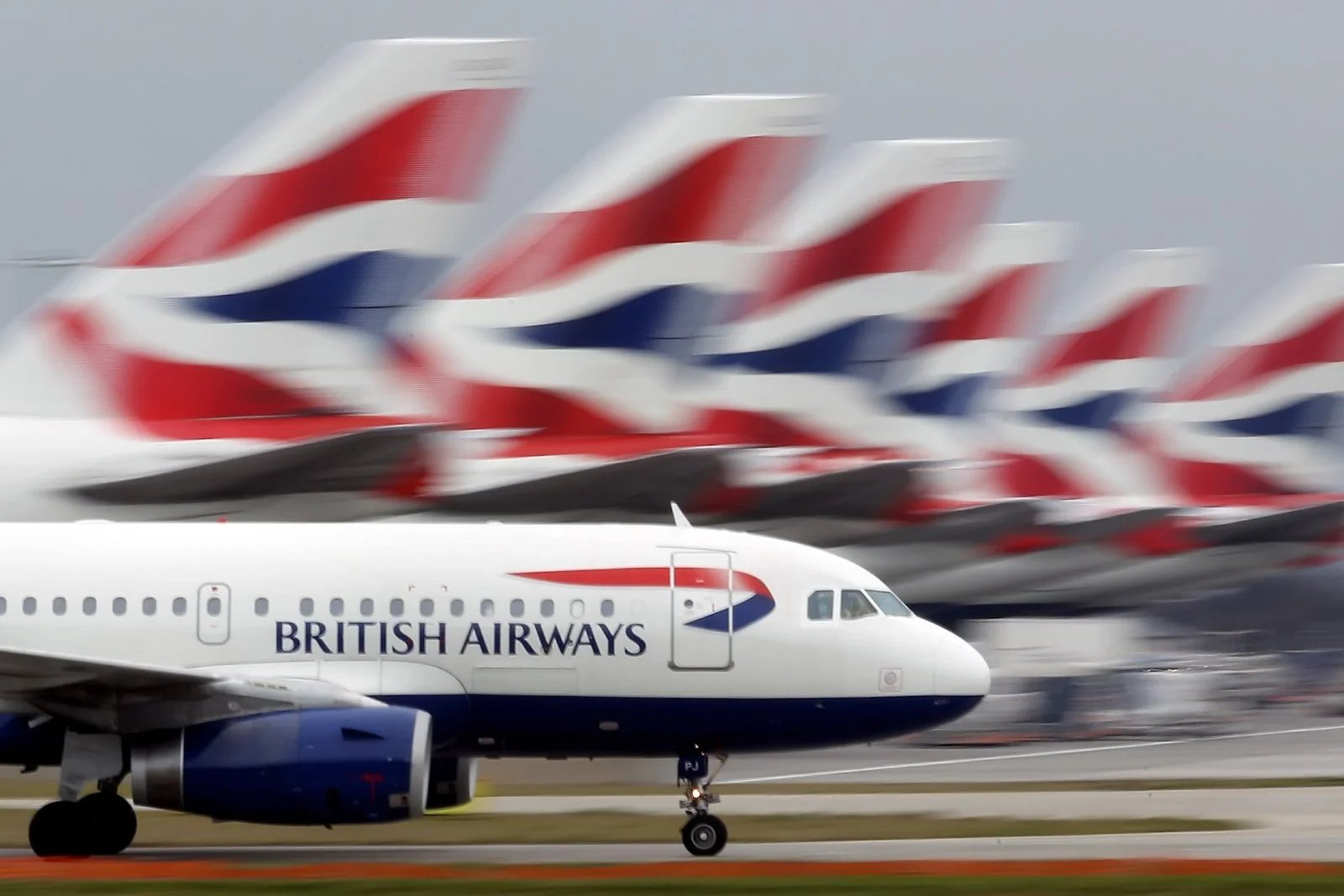
Fuel temperature becomes a major concern during long-haul flights at high altitude, where outside air temperatures can fall below -60 degrees Celsius. During very long flights, especially polar routes, jet fuel can begin approaching its freezing point, potentially causing wax formation or restricted fuel flow to the engines. Pilots therefore continuously monitor fuel temperature throughout cruise and compare it against certified minimum limits, making adjustments such as descending into warmer air or increasing airspeed slightly to generate friction heating if necessary. The importance of this monitoring was highlighted by British Airways Flight 38 at Heathrow Airport, where ice crystals formed within the fuel system during a long flight from Beijing and restricted fuel flow to both engines during the final approach.
Managing Communications Across Oceans

Communication procedures become far more complex once aircraft leave radar-covered airspace. Over large portions of the Atlantic, Pacific, Indian Ocean, and polar regions, ground radar coverage either disappears entirely or becomes extremely limited. In these areas, pilots operate under procedural separation systems, meaning controllers rely on position reports, timing estimates, and onboard navigation accuracy rather than direct radar tracking to maintain safe spacing between aircraft.
Historically, pilots used high-frequency radio extensively for oceanic communication. HF radio signals can bounce off the ionosphere, allowing communication across thousands of miles, but the audio quality is often poor and filled with static. Even today, crews crossing oceans may spend time carefully listening through interference to relay waypoint positions and altitude information. Modern aircraft increasingly use CPDLC (Controller-Pilot Data Link Communications), which allows pilots and air traffic controllers to exchange digital text messages instead of voice transmissions. ADS-C systems can also automatically transmit aircraft position reports to controllers through satellite links.
Oceanic flying requires extremely precise navigation. Aircraft crossing the North Atlantic Track System may be separated vertically by only 1,000 feet and longitudinally by as little as 10 to 15 minutes. Even small navigation errors can create dangerous conflicts. Pilots verify waypoint crossing times, monitor inertial reference systems, and cross-check GPS accuracy throughout the flight. Crews are also required to report significant deviations in timing or track position immediately. A deviation caused by weather avoidance or turbulence often requires altitude changes, position broadcasts to nearby aircraft, and revised coordination with air traffic control centers spanning multiple countries.
Nearly 1 In 3 Pilots Killed In Crashes Had Impairing Drugs – And It’s Getting Worse
The alarming trend shows a continued increase in drug use among aviation professionals.
Weather Requires Constant Human Judgment

Weather management is one of the most active parts of long-haul flying because autopilot systems cannot independently make weather decisions. During intercontinental flights, aircraft regularly encounter storm systems, especially across tropical and mid-latitude regions. Pilots constantly monitor onboard weather radar, turbulence forecasts, satellite imagery, and reports from aircraft ahead on the same route. Thunderstorms are particularly dangerous because they can contain severe turbulence, hail, lightning, and powerful updrafts or downdrafts. While modern radar helps detect storms, interpreting radar images still requires experience and judgment.
Clear-air turbulence creates an even greater challenge because it cannot be detected by weather radar and often occurs without visible warning signs. Pilots rely heavily on PIREPs, reports from other aircraft, to identify rough air ahead and adjust altitude or routing if necessary. Severe turbulence can seriously injure passengers and cabin crew if they are not seated, which is why pilots often activate the seatbelt signs well before turbulence begins.
Weather also affects operational efficiency. Strong jet stream tailwinds can shorten flights by hours, while intense headwinds can dramatically increase fuel burn. On some routes, pilots deliberately adjust altitude or routing to exploit favorable winds. A westbound transatlantic flight may take significantly longer than the same eastbound route because of prevailing atmospheric flow patterns. These weather-related decisions directly affect safety, fuel reserves, arrival times, and passenger comfort.
Crew Rest Is Carefully Regulated

Crew on long-haul flights are not expected to stay awake for the entire journey. In fact, controlled rest periods are required because fatigue is considered one of the biggest safety risks in aviation. Monitoring automation for long periods can reduce alertness and slow reaction times, so airlines assign augmented crews on flights exceeding certain duty limits. This means extra pilots are onboard specifically to allow scheduled rest rotations while maintaining a fully staffed cockpit at all times.
Most long-range aircraft include hidden crew rest areas that passengers rarely see. On aircraft such as the Boeing 787 Dreamliner or Airbus A380, these areas may be located above the passenger cabin or below the main deck and usually contain bunk beds, oxygen supplies, seatbelt restraints, ventilation systems, and direct communication links to the cockpit. Crew rest schedules are carefully planned, especially on flights lasting 16 hours or more, where four pilots may rotate through multiple sleep periods.
Even while resting, pilots remain on call. Crew rest compartments include interphone systems allowing immediate contact with the cockpit if conditions deteriorate. If significant weather, turbulence, or system problems develop, resting pilots can be recalled instantly. Fatigue management has become such a major area of study that airlines now use biomathematical fatigue models and circadian science to design safer crew schedules for ultra-long-haul operations.
In 2 Seconds, Pilots Must Decide Whether To Abort Takeoff
When an aircraft takes off, pilots must make some of the quickest reactionary decisions anyone can make. Only two seconds can make or break the flight
Contingency Planning Happens Constantly

Long-haul pilots spend much of a flight preparing for problems that may never actually occur. A major part of airline flying is proactive contingency planning, meaning crews constantly think several steps ahead, even when conditions appear completely normal. Throughout the journey, pilots monitor alternate airports, changing weather systems, political airspace restrictions, runway closures, volcanic ash advisories, and potential diversion routes. The goal is to ensure there is always a safe backup plan available, no matter where the aircraft is located.
ETOPS, Extended-range Twin-engine Operational Performance Standards, is especially important during oceanic flights. Twin-engine aircraft operating in remote areas must always remain within a certified diversion time to a suitable airport, which can range from around 120 minutes to more than 300 minutes on one engine, depending on the aircraft and airline certification. Pilots continuously evaluate which diversion airports remain usable based on weather, runway conditions, emergency services, and operational status. Medical emergencies add another layer of complexity, as serious illnesses such as heart attacks or strokes may require immediate diversion decisions thousands of miles from the destination.
Diverting a large international flight can cost hundreds of thousands of dollars, but safety always overrides financial considerations.
Crews must also prepare for technical malfunctions. Even relatively minor equipment failures can trigger complicated operational decisions over remote regions. A failed navigation system, engine indication problem, or pressurization issue may require rerouting, altitude restrictions, or diversion planning hours in advance.
Automation Changes the Job, It Doesn’t Eliminate It

Modern airline automation has completely transformed the role of pilots, but it has not eliminated the need for highly trained crews. Instead of spending most of a flight physically controlling the aircraft, pilots now act as managers of highly advanced automated systems. They must understand not only how to manually fly the airplane, but also how to safely operate and supervise complex layers of flight computers, navigation systems, and autopilot modes.
Modern autopilot systems are capable of controlling altitude, speed, navigation, and even complex climb and descent profiles with incredible precision. Aircraft at flight levels between and including FL290 and FL410, operating under RVSM (Reduced Vertical Separation Minimum) rules, are separated vertically by only 1,000 feet, making accurate autopilot performance essential. Maintaining that level of precision manually for hours would be extremely difficult, which is why autopilot use is often effectively mandatory during cruise flight. However, automation also creates new challenges, particularly when pilots misunderstand which flight mode is engaged or how the aircraft will respond to changing conditions.
One of the biggest concerns in modern aviation is automation complacency and mode confusion, where pilots lose awareness of exactly what the aircraft’s systems are doing. Several major accidents have been linked to crews misinterpreting autopilot behavior during abnormal situations. Because of this, airlines place enormous emphasis on automation management training and manual flying skills. Pilots must constantly verify autopilot settings and remain ready to disconnect the system instantly if necessary. Despite the sophistication of modern airliners, the pilots remain fully responsible for every decision during the flight, from weather deviations and fuel planning to emergency management and landing the aircraft safely.