dailynewsnblog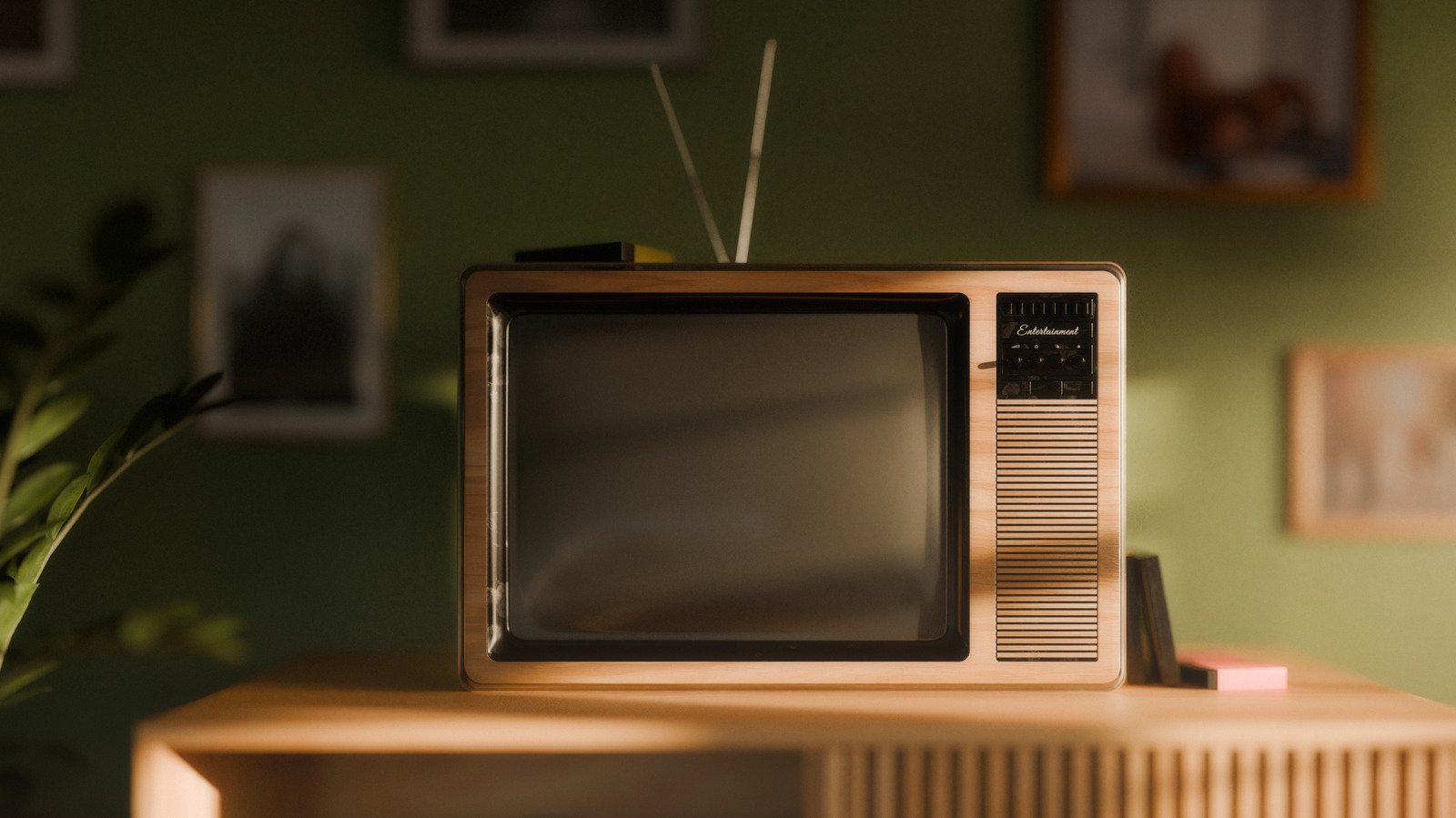
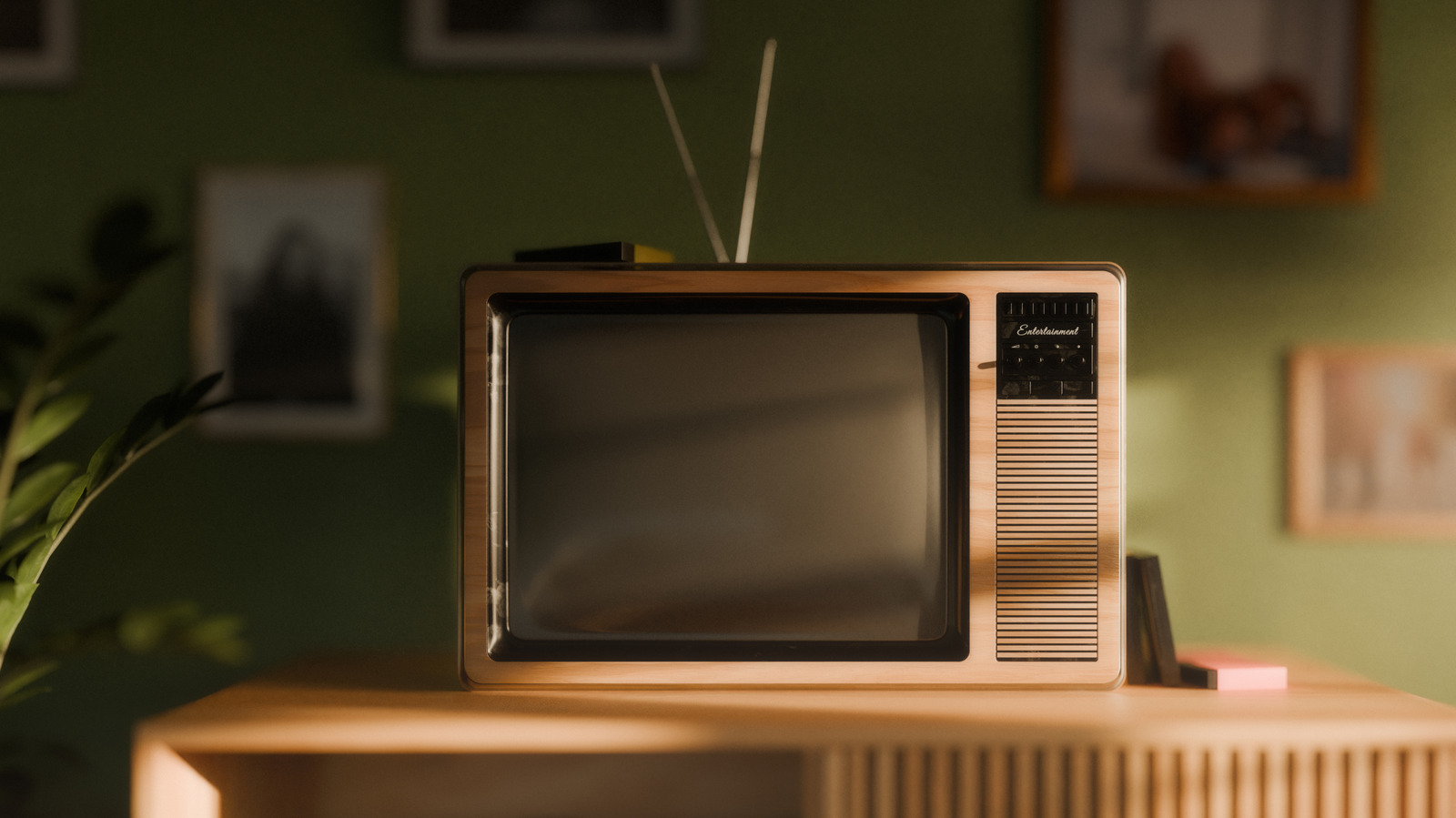
The move to digital took longer than you likely expect. In 1996, Congress pushed the US towards digitized broadcasts by authorizing additional broadcast channels for TV stations. The decision, known as the Digital Television Transition, allowed stations to broadcast digital channels alongside their analog ones. By 2009, all full power television stations were mandated to transition to a digital format. For consumers with older analog televisions, this meant adding a digital-to-analog converter box to their set, while newer televisions came with built-in tuning systems. Luckily, the majority of American households were well prepared for the transition. According to Nielson Media Research, roughly 97.5% of American television-viewing households were ready for the transition to digital at the time of the FCC’s deadline.
Of course, this didn’t mean that over-the-air (OTA) television broadcasts were fully killed in 2009. Instead, broadcasters were required to adhere to the first digital television standard, known as ATSC 1.0, which preserved over-the-air broadcasting as a key aspect of the US television diet. Today, roughly a fifth of viewers continue to receive free broadcasts of local stations via antennas.
Now, however, the FCC is pushing to adopt a new standard. Dubbed ATSC 3.0, or NextGen TV, this new form of digital television promises to enhance the quality broadcasts and add advanced features by incorporating internet protocols (IP) into station’s signals. Much like the transition from analog to digital, viewers moving from a standard digital format to NextGen television should expect a leap in television quality. However, unlike the previous transition, consumers have been less willing to shell out for the new format, despite widespread industry support. To receive ATSC 3.0 broadcasts, consumers must use televisions compatible with NextGen TV or purchase an adapter.
Some argue that the FCC’s approach to the transition could strip millions of consumers of access to free public television, and transform public broadcasts from a free service into yet another subscription. Concerns stem from a pending FCC decision to allow companies to fully transition to the new standard, and cut off ATSC 1.0 broadcasts in the process. Unlike the shift from analog to digital, however, the FCC is neither proposing a Congress-regulated transition timeline nor investing in state-funded educational or coupon efforts to ease the transition. Moreover, broadcasters have advocated for adding digital rights management (DRM) encryption to signals, a move that the Electronic Frontier Foundation warns could privatize public airwaves.
Advocates worry that such a shift could bar viewers’ from critical emergency warnings, news and public service announcements. As expected, the growing pains of such a transition will likely occur along stark societal lines, further exacerbating inequality concerns. As John Bergmayer, legal director at digital rights advocacy group Public Knowledge, wrote in an op-ed on the FCC’s ATSC 3.0 transition, the people most negatively impacted will likely be those who most depend on these services. If the FCC wants the transition to NextGen TV to go as smoothly as its move from analog nearly two decades earlier, it should take care to preserve television broadcasts’ status as a an essential public service.