dailynewsnblog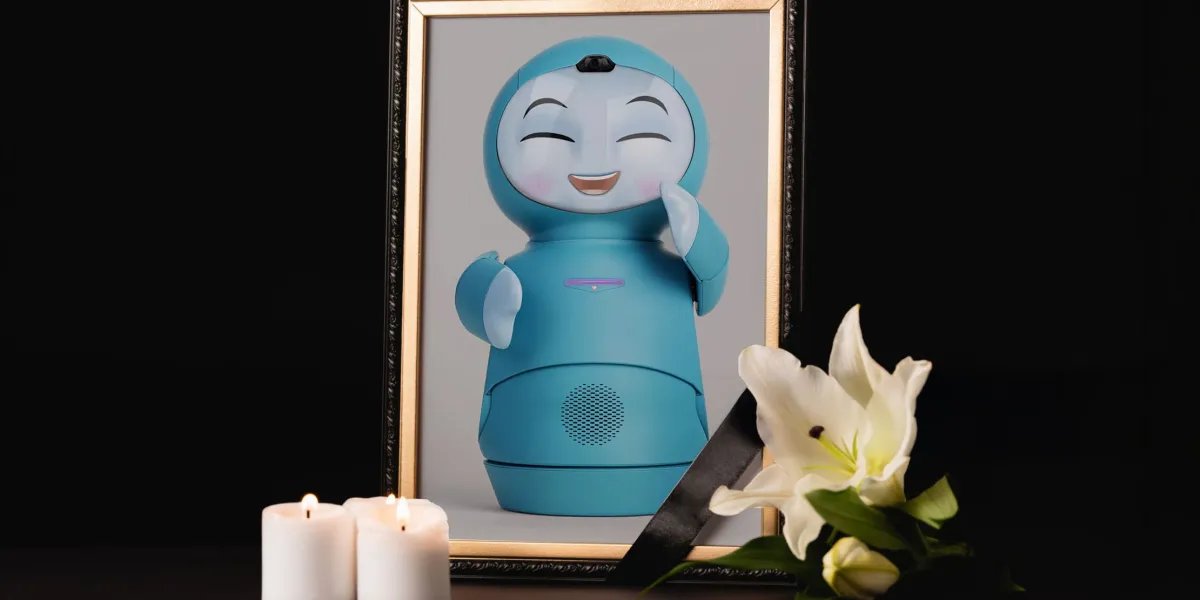
Moxie, though, belongs to a particular subset of these playful robots whose makers claim they can assist neurodivergent children by providing connection and helping the kids practice making eye contact, taking turns, and other social skills that are usually learned from therapists. These toys are backed by research showing that robots could help in ways people can’t. Supporters believe this kind of access to 24-7 home care could change how treatment works. Brian Scassellati, a Yale computer scientist who has spent years studying social robots for autism therapy, says he believes regular therapeutic use of robots in kids’ homes “is something we can achieve in our lifetime.”
“I still use her when I feel like I need someone to talk to,” says 10-year-old Xander. “But, like, it’s not human.”
Sitting in Xander’s room watching Moxie and Xander talk, I too could believe in the potential Scassellati sees. But Xander isn’t getting the therapy Moxie was initially meant to deliver, and though we didn’t know it that afternoon, she wouldn’t have lived to see his progress anyway. Moxie was going to die, and soon.
Her story reveals some of the failures that plague all these devices—failures that are arguably even more acute when they befall a particularly vulnerable community of kids. It also highlights the pitfalls that critics say will inevitably see these bots dumped in basements or closets or landfills, just like countless generations of faddish toys before them.
A transformative companion
Scassellati has seen plenty of kids ooh and ahh on tours of his robotics lab. But he was stunned when, two decades ago, a colleague brought a few kids with autism for a visit. They were transformed when the robot was in the room. “We were seeing kids displaying social behavior that just came out of nowhere,” he says. “It was both fascinating and we couldn’t understand it.”
That visit was one of the experiences that pushed Scassellati to become a pioneer in using social robotics to treat autism. In one video from his early research, a 12-year-old with autism and his therapist watch a robotic dinosaur walk across a play mat with a forest design. When it gets to a stream drawn on the mat, the dinosaur gets nervous, afraid it can’t cross the water. According to Scassellati, this child typically struggled to make eye contact, tended to repeat what someone said to him, and had a hard time getting the right intonation in his voice. But in the video, he seems like a regular kid. “You can do it, you can do it,” he says, encouraging the dinosaur to cross the stream. When he talks to his therapist, he looks at her. “He makes more eye contact with her in the 30 minutes in which we were there in this room than he did in the last two years before that,” Scassellati says.