dailynewsnblog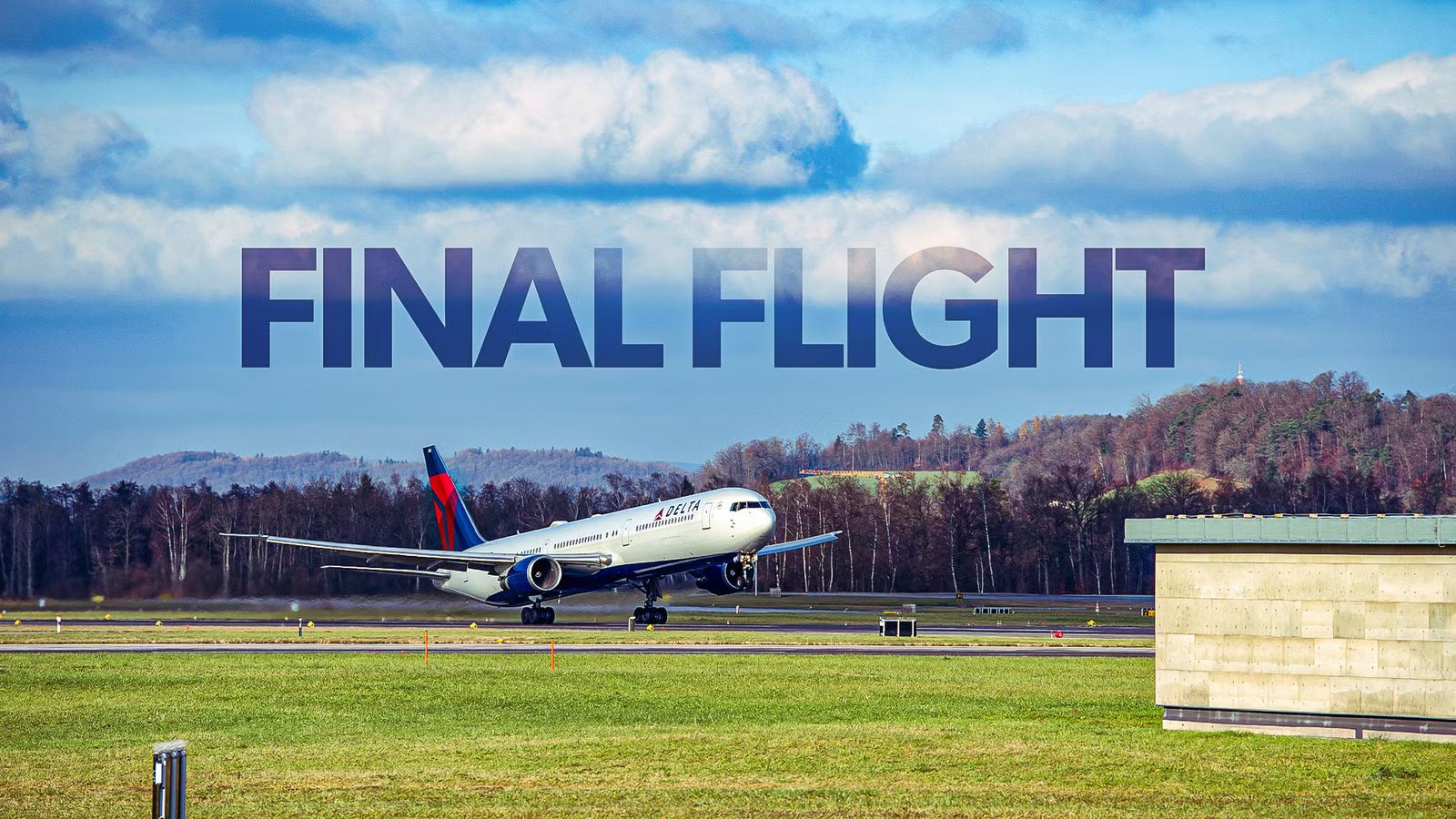
When a Widebody aircraft completes its final commercial flight, it rarely reaches the end of its story the moment the passengers leave the cabin. While the aircraft may no longer generate revenue carrying people and cargo across the world, it still represents a valuable collection of certified components, recyclable materials, and engineering assets that can continue producing value for years.
The retirement of an aircraft is therefore less about an ending than the beginning of an entirely different phase of its operational life. What happens after that last scheduled service depends almost entirely on economics rather than sentiment.
The age of the aircraft, maintenance history, market demand for spare parts, cargo conversion opportunities, and the value of its materials all influence the decisions made by owners and leasing companies. For many widebodies, like the Boeing 747 or Airbus A340, the final passenger flight is simply the first step in a carefully planned retirement process.
Flying To The Boneyard

Following their final commercial flight, most retired widebodies are ferried to dedicated storage facilities, commonly known as aircraft boneyards. These locations are selected because their desert climates significantly reduce corrosion, allowing aircraft to remain outdoors for extended periods without suffering the rapid deterioration that occurs in humid environments. Several of the world’s best-known storage sites are located in the US Southwest.
Indeed, facilities at Mojave Air and Spaceport in California, Southern California Logistics Airport in Victorville, and various locations across Arizona and New Mexico are becoming home to hundreds of retired commercial aircraft. Alice Springs in Australia also plays host to retired aircraft, including several from  Singapore Airlines.
Their low rainfall, stable weather, and wide open spaces provide ideal conditions for preserving large fleets of airliners while operators determine their long-term future. These facilities were also well-used during the pandemic, and became home to hundreds of aircraft from across the world.
The final commercial flight is therefore often followed by one last ferry flight with only the flight crew on board. Once the aircraft arrives at the storage facility, it is inspected, documented, and parked in a designated location where technicians prepare it for whatever comes next. Although these aircraft may appear abandoned from a distance, the storage process is highly organized and carefully managed to preserve as much value as possible.
Widebody aircraft can remain in these facilities for months or even several years, often at high financial cost. Some arrive immediately after retirement because demand for replacement parts is strong, while others are parked in anticipation of improving market conditions. Throughout this period, every decision revolves around maximizing the financial return from an asset that may still be worth millions of dollars despite no longer carrying passengers.
Storage Keeps Future Options Open

Not every aircraft entering a storage facility is destined to be dismantled immediately. Some widebodies enter what the industry calls deep storage, a preservation program designed to keep the aircraft capable of returning to service if market conditions change. Preparing a widebody for long-term preservation involves considerably more work than simply parking it.
Engines receive protective coverings to prevent dust contamination, openings throughout the aircraft are sealed against insects and wildlife, windows are protected from prolonged sunlight, and sensitive systems are preserved using specialized maintenance procedures. Fuel systems, hydraulics, and other critical components are also managed according to detailed manufacturer instructions. Even while parked, these aircraft continue receiving regular inspections.
Maintenance teams periodically move the aircraft, perform system checks, rotate wheels to prevent flat spots, and sometimes even run the engines to ensure they remain in serviceable condition. The objective is to prevent deterioration while preserving the possibility of returning the aircraft to commercial operations without requiring a complete rebuild. Keeping a widebody in deep storage is not inexpensive, however, as every inspection, maintenance visit, and preservation task adds ongoing costs.
As such, airlines and lessors must carefully evaluate whether the aircraft is likely to become profitable again. During periods when international travel rebounds or aircraft production cannot meet demand, returning a stored aircraft to service may make financial sense, such as when  Etihad Airways returned its Airbus A380 to service following the pandemic. In weaker markets, those same storage expenses can eventually outweigh the potential benefits, pushing the aircraft toward a different future.
A Second Career As A Freighter

Shutterstock, Simple Flying
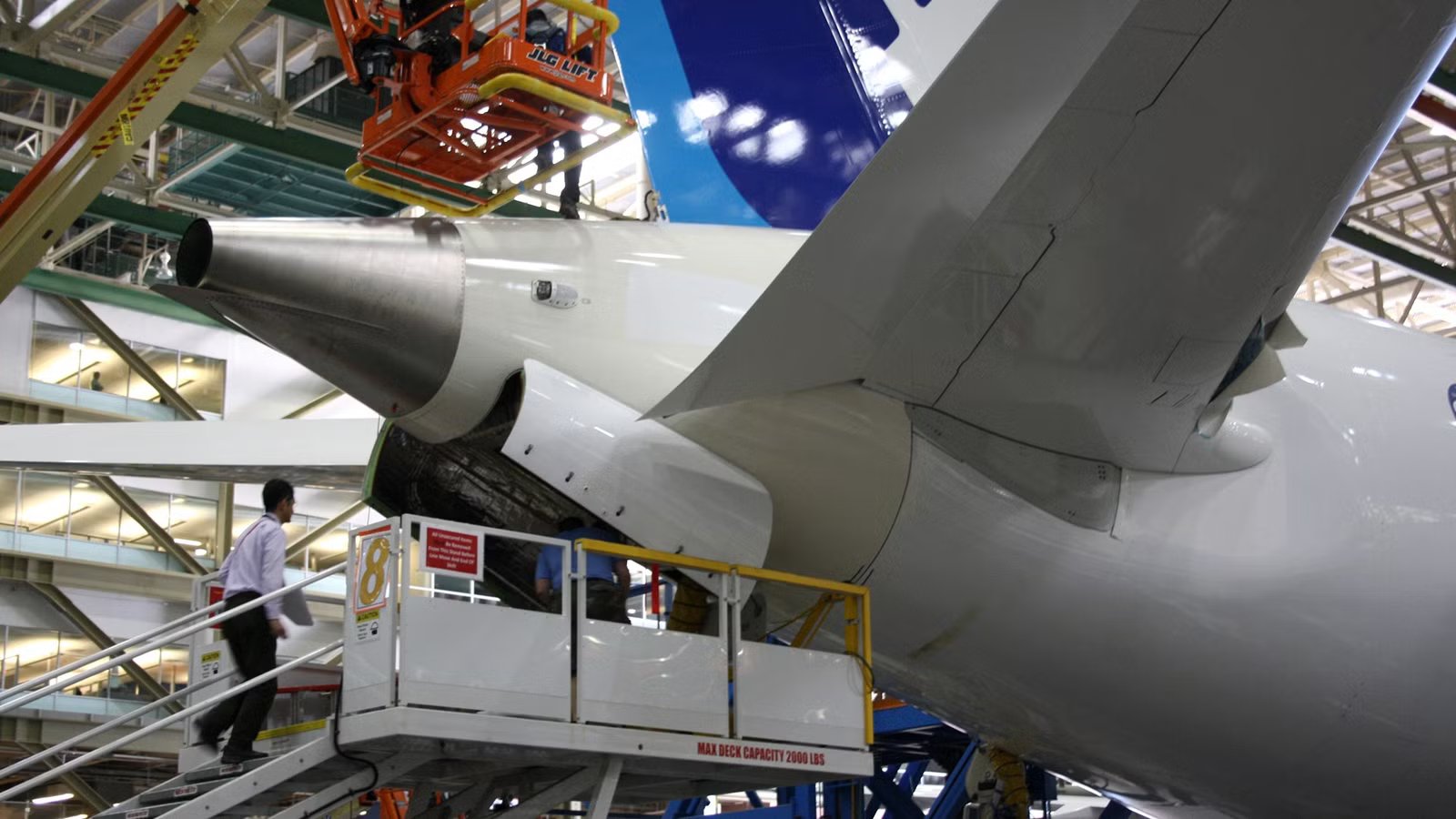
Some retired passenger widebodies avoid permanent retirement altogether by beginning an entirely new career transporting cargo instead of people. Passenger-to-freighter conversions of the likes of the Boeing 767 have become one of the most significant ways of extending the operational lives of large commercial aircraft, particularly when global freight demand remains strong. Converting a passenger aircraft into a freighter is an extensive engineering project rather than a simple interior modification.
The passenger cabin is completely stripped, reinforced flooring is installed to support heavy cargo loads, and a large cargo door is cut into the fuselage to allow freight containers to be loaded efficiently. Additional systems are modified to meet cargo operations, while the aircraft undergoes extensive testing before receiving certification. Widebodies are especially attractive conversion candidates because of their large internal volume and long-range capability.
Aircraft that may no longer be economically competitive carrying passengers can continue flying profitable cargo routes for many additional years, allowing operators to maximize the value of the original investment while supporting expanding global logistics networks. The decision to convert rather than retire ultimately depends on economics.
The aircraft must still have sufficient structural life remaining, while the expected revenue from cargo operations must justify the high cost of the conversion itself. If those calculations work in favor of conversion, a passenger aircraft that appeared to have reached the end of its life can instead begin another decade or more of commercial service, often flying routes very different from those it once operated with travelers onboard.
Harvesting Valuable Components

Eventually, many widebodies reach the point where restoring or operating them is no longer financially viable. Once the expected cost of returning an aircraft to airworthiness exceeds its market value, dismantling becomes the most logical option. At this stage, the aircraft effectively transforms into a warehouse of certified aviation parts. The dismantling process begins carefully rather than dramatically.
Technicians first remove remaining fuel, hydraulic fluids, lubricants, and other materials that require specialized handling before any major disassembly begins. Safety and environmental considerations remain central throughout every stage of the operation. Attention then turns to the aircraft’s highest-value components. Engines are typically the single most valuable assets and are removed early for detailed inspection and refurbishment.
Landing gear assemblies, auxiliary power units, avionics equipment, flight controls, cockpit instruments, doors, black boxes, windscreens, and numerous other components are also carefully extracted using established maintenance procedures. These parts are not simply removed and sold immediately, and most undergo inspection, testing, overhaul, and recertification before entering the secondary aviation parts market.
Airlines frequently purchase these certified used components. This is because they can be obtained more quickly than newly manufactured replacements, particularly during periods when manufacturers face production delays or supply chain constraints.
For older aircraft types that are no longer supported with abundant new production, salvaged components may represent the most practical source of replacement parts. A single widebody can provide millions of dollars’ worth of reusable equipment. Rather than becoming waste, the aircraft continues supporting fleets around the world by supplying components that keep similar aircraft flying safely and efficiently.
Recycling The Remaining Airframe

Once the valuable systems and reusable equipment have been removed, attention shifts to the aircraft structure itself. Although the fuselage may appear to have little remaining value, it still contains substantial quantities of recyclable metals that can be recovered through specialized dismantling operations. Large cutting equipment separates the wings, fuselage sections, tail assembly, and other major structural components into manageable pieces.
Different metals are then sorted according to type before entering established recycling streams. Aluminum forms the majority of most commercial aircraft structures, but significant quantities of titanium, copper, steel, and other valuable materials are also recovered during the process. Modern aircraft recycling has become increasingly sophisticated as both environmental awareness and material values have increased.
Rather than sending large sections of aircraft directly to landfill, dismantling companies work to recover as much usable material as possible. Industry figures commonly suggest that around 85% to 90% of an aircraft can ultimately be reclaimed through recycling or component reuse, making commercial aircraft among the more recyclable forms of complex transportation equipment.
The recovered metals eventually find their way into entirely different industries, where they may become part of new manufactured products far removed from aviation. While the aircraft itself disappears, much of its physical material continues serving useful purposes rather than becoming waste, adding another layer of value to the retirement process.
The Aircraft That Avoid The Scrapyard

Although dismantling represents the most common outcome for retired widebodies, a small number receive a very different fate. Aircraft with historical significance, unique operational achievements, or strong public recognition may be preserved instead of being dismantled. Museums occasionally acquire retired widebodies to document the development of commercial aviation and allow visitors to experience aircraft that once connected continents.
Airlines sometimes preserve historically important examples from their own fleets, particularly aircraft that introduced new technology or played notable roles within the company’s history. These preserved aircraft require ongoing maintenance despite no longer flying, making permanent display a commitment rather than a simple one-time decision. Other retired airliners find practical uses outside of traditional aviation.
For example, training organizations may use complete aircraft for cabin crew exercises, emergency response practice, or maintenance instruction. Some fuselages become restaurants, hotels, conference venues, or educational exhibits, giving the aircraft an entirely different public role while preserving much of its original appearance. Film studios also occasionally purchase retired aircraft as ready-made sets for movies and television productions, avoiding the expense of constructing realistic replicas.
These alternative futures attract considerable attention because they are unusual, but they represent only a tiny percentage of retired widebodies. For the overwhelming majority, the economics remain clear – their greatest value comes not from preservation, but from supplying reusable parts, recyclable materials, and certified components that continue supporting the aviation industry long after the aircraft itself has completed its final commercial journey.