dailynewsnblog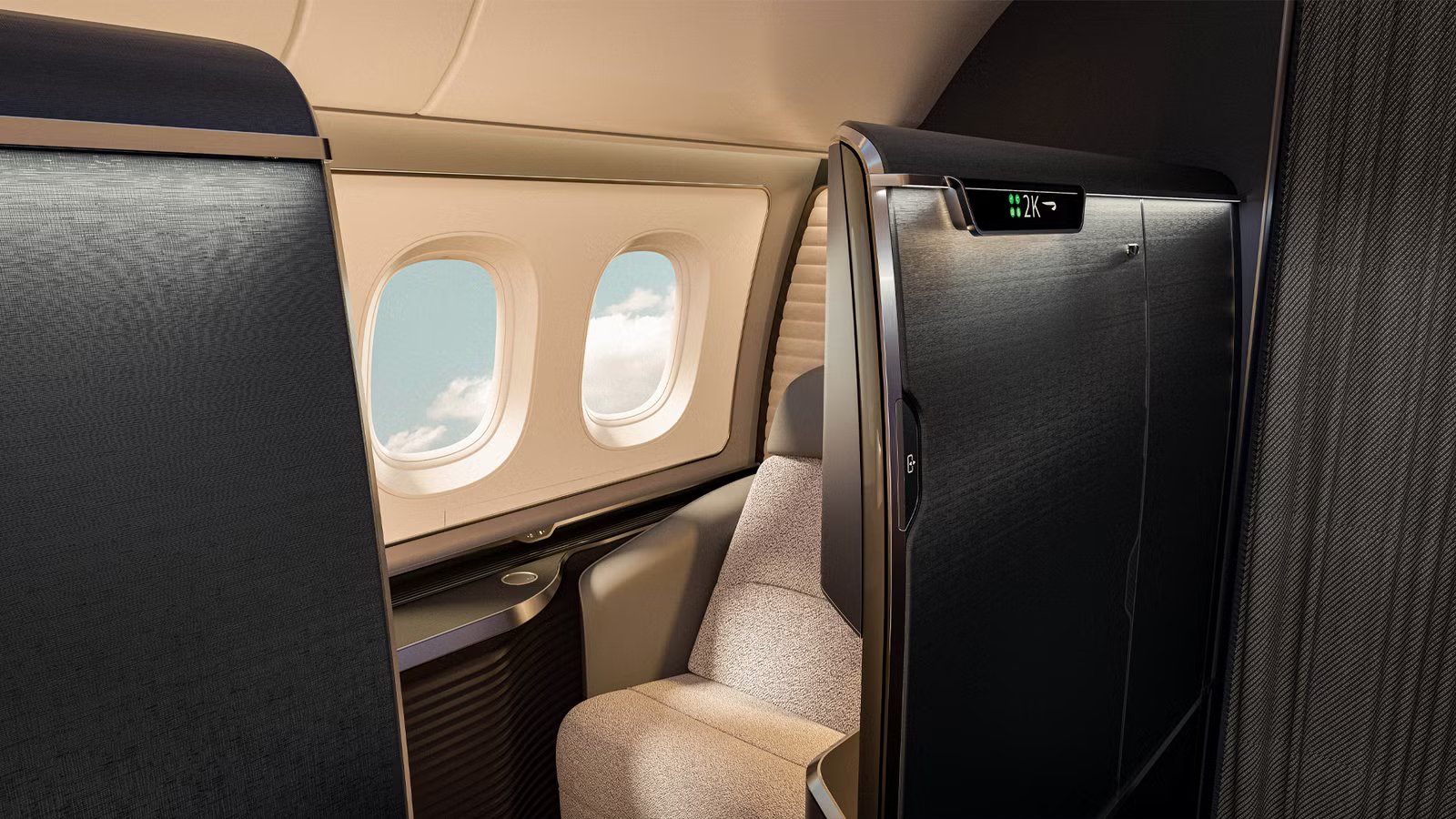
Flying first class has long been regarded as the pinnacle of commercial air travel, but what that designation actually represents has become increasingly complex. Beyond champagne, wide seats, and attentive service, first class is designed to remove many of the constraints that define modern air travel. The real question is whether those benefits are merely cosmetic or if they deliver tangible advantages that justify the significant price premium. For travelers weighing comfort, convenience, and overall value, this distinction matters more than ever—particularly as airlines continue to reassess the role of first class within their fleets.
Over the past two decades, first class has shifted from being a standard premium cabin on long-haul aircraft to a highly specialized and increasingly rare product. Many airlines have eliminated first class entirely, concluding that modern business class satisfies the needs of most premium travelers. Others have taken the opposite approach, investing heavily in first class as a ground-to-air experience that begins well before boarding and extends beyond the flight itself. Dedicated terminals, private lounges, and highly personalized onboard service now define first class on select carriers, transforming it from an upgraded seat into a tightly controlled travel environment. This evolution raises important questions about relevance and value. As business class continues to close the gap in comfort and functionality, first class has become less about necessity and more about differentiation. This article examines what flying first class actually offers today, how it compares with business and economy class, and whether its benefits extend beyond indulgence into meaningful, practical advantages for certain types of travelers.
Is Flying First Class Really Worth It?

At its core, the main benefit of flying first class lies in delivering a consistently smoother and more controlled travel experience across nearly every stage of the journey. In an era where airports are busier, cabins are denser, and schedules are tighter, first class is designed to reduce exposure to congestion and unpredictability. Dedicated check-in areas, priority security processes, and exclusive lounges are not simply perks, but mechanisms that shorten queues, limit crowd interaction, and provide a buffer against delays long before passengers reach the aircraft.
Once onboard, the distinction becomes structural and not only cosmetic. On aircraft such as the  EmiratesAirbus A380 or
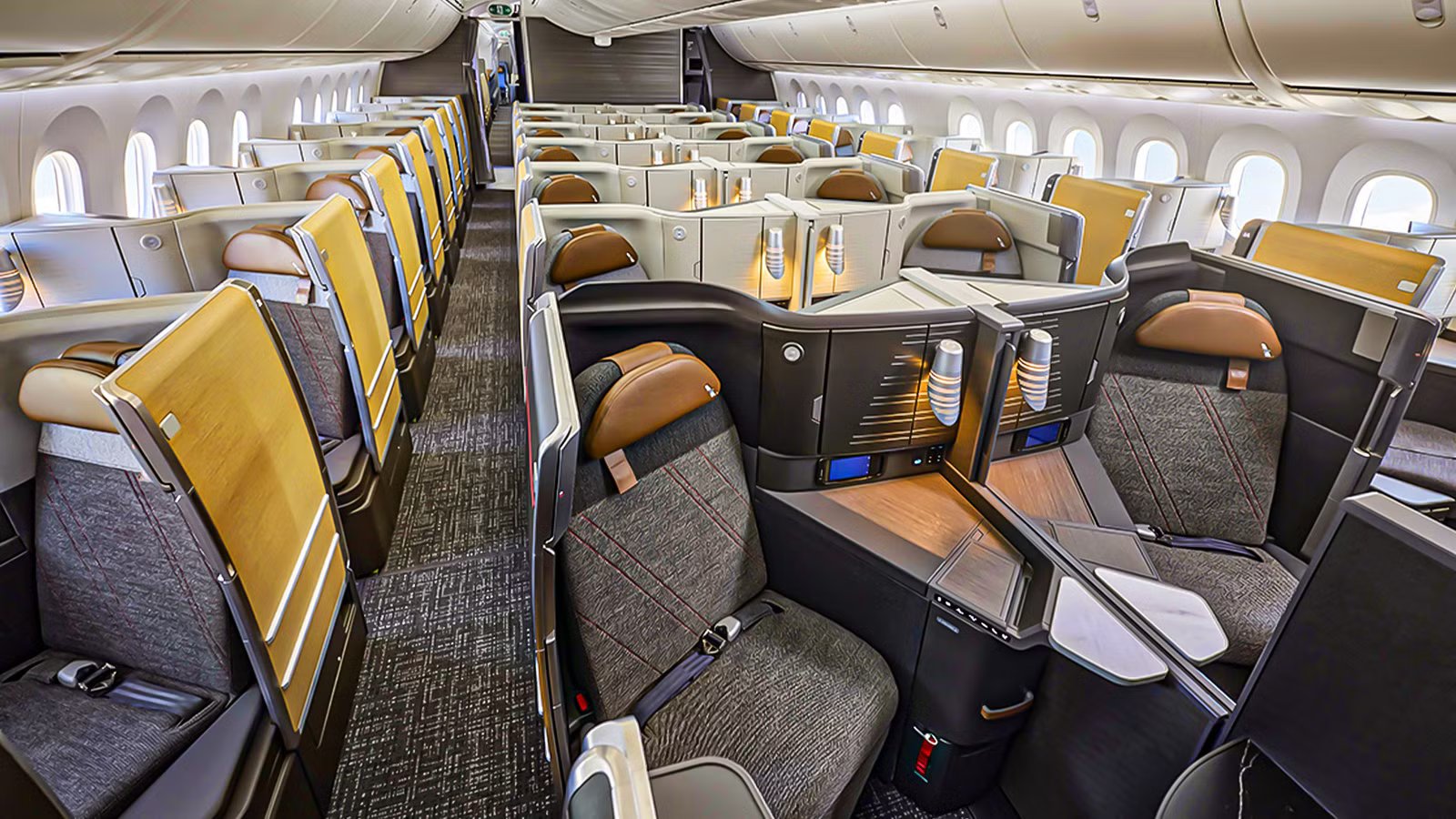
  Lufthansa’sBoeing 747-8, first-class occupy a small, clearly separated section of the aircraft, often with fewer than a dozen seats. This low-density layout allows airlines to operate first class differently from business class: meals are served on demand rather than on a fixed schedule, crew can respond to individual preferences more easily, and cabin activity remains minimal throughout the flight. Larger seats, frequently enclosed suites, combined with higher crew-to-passenger ratios contribute to a quieter environment with fewer interruptions, particularly on overnight and ultra-long-haul sectors.
To understand if that experience is “worth it” ultimately depends on what a traveler values most. For passengers who prioritize predictability, privacy, and the ability to manage sleep, work, or recovery time during long flights, first class can still offer advantages that even advanced business class products do not consistently replicate. For others, especially on shorter routes or flights where time onboard is limited, those same benefits may deliver diminishing returns relative to the price difference. In today’s market, first class is less about universal superiority and more about serving a specific set of travel priorities.
What Factors Influence The Benefits Of Flying First Class?

The benefits of flying first class are not uniform and depend heavily on a combination of airline strategy, aircraft type, and route structure. A first-class ticket on a flagship long-haul aircraft can deliver a markedly different experience from first class on a smaller widebody or a regional configuration. Understanding these variables is essential to evaluating what first class actually offers on a given flight.
Airline philosophy plays a central role. Middle Eastern and Asian carriers have historically invested more aggressively in first class, offering enclosed suites, dine-on-demand service, and, in some cases, onboard showers. European airlines tend to emphasize refined service and ground handling rather than extreme onboard features, while most US carriers have phased out international first class altogether, opting instead for highly developed business class products.
Another major variable is the ground experience. Dedicated first-class terminals, such as Lufthansa’s First Class Terminal in Frankfurt, elevate the journey well before boarding. These facilities often include à la carte dining, private security screening, personal assistants, and even tarmac transfers directly to the aircraft.
|
Region |
Lounge Access |
Seat Type |
Dining Style |
Unique Features |
|
Middle East |
Dedicated terminals |
Enclosed suites |
On-demand fine dining |
Showers, private cabins |
|
Asia |
Premium lounges |
Large suites |
Multi-course meals |
Pajamas, turndown service |
|
Europe |
Exclusive lounges |
Open or semi-suites |
Restaurant-style |
Chauffeur services |
|
North America |
Limited or discontinued |
Lie-flat seats |
Enhanced business-class style |
Mostly phased out |
Beyond onboard hardware, consistency is a defining factor. Many airlines restrict first class to specific aircraft or routes, meaning passengers may encounter vastly different products under the same fare class. Aircraft substitutions, seasonal route changes, and uneven fleet configurations can all alter the experience. As a result, frequent first-class travelers often plan flights around specific aircraft types rather than simply booking by airline.

Delta Unbundles Premium: ‘Basic’ Business And First Class Fares Coming In 2026
Delta Air Lines will launch Basic Business and First Class fares in 2026, unbundling premium travel as fare segmentation expands across cabins.
What Do Airlines And Experts Say About First Class?

From an airline’s perspective, first class is rarely intended to generate volume-driven profits. Instead, it functions as a strategic product designed to shape brand perception at the top end of the market. Within the industry, first class is often described as a “halo product,” influencing how passengers perceive the airline as a whole rather than serving as a mass-market offering.
This philosophy is evident in how airlines structure their first-class cabins.  Air France has openly stated that its La Première product is designed to reflect French luxury and gastronomy rather than compete on seat count. Similarly,
  Singapore Airlines emphasizes service excellence, with cabin crew trained extensively for first-class passengers. Emirates, meanwhile, uses first class as a showcase for innovation, from fully enclosed suites to onboard showers.
Industry analysts often point out that first class also acts as a testing ground for future premium features. Many innovations, such as lie-flat seats, premium dining concepts, and advanced inflight entertainment systems, were first introduced in first class before becoming standard in business class. In that sense, first class continues to influence the broader evolution of first-class aviation design, even as fewer passengers experience it firsthand.
How Does First Class Compare To Business And Economy?

When compared to economy class, the advantages of first class are relatively clear: more space, fewer passengers, higher service levels, and a calmer onboard environment. On long-haul flights, these differences directly affect fatigue and comfort. The more nuanced and increasingly relevant comparison, however, is between first class and modern business class, where the functional gap has narrowed considerably.
Business class has evolved dramatically over the past 15 years. Products such as  Qatar Airways’ Qsuite, Delta One Suites, and
  British Airways’ Club Suite now offer full, longer flat beds, direct aisle access for every passenger, and privacy doors—features that were once exclusive to first class. For many travelers, these cabins already provide everything needed to sleep, dine comfortably, and work during the flight.
Where first class continues to stand apart is in cabin density and service design rather than basic seat functionality. On aircraft like the Emirates Airbus A380, first class is limited to just 14 suites, compared to more than 70 business class seats. Similarly, Singapore Airlines’ A380 first class cabins feature as few as six suites. This low passenger count enables quieter cabins, more personalized service, wider seating, and greater privacy: all factors that remain difficult for even the best business-class products to replicate. For some travelers, these differences do not justify the substantial price gap, particularly on shorter long-haul or overnight routes where sleep duration is limited. However, for others, especially those flying ultra-long-haul sectors such as Europe to Southeast Asia or North America to the Middle East, the added space, privacy, and reduced passenger density can meaningfully affect rest, productivity, and overall arrival condition.

The 7 Most Luxurious Long-Haul First Class Seats You Can Book Today
Discover the world’s seven most luxurious long-haul first class seats: ranked from JAL’s serene suites to Singapore Airlines’ unmatched A380 palaces.
Are There Drawbacks Or Limitations To Flying First Class?

Despite its advantages, flying first class comes with clear and unavoidable drawbacks, the most significant of which is the cost. On many long-haul routes, first-class fares are routinely several times higher than business class, even though both cabins offer lie-flat beds and premium catering. Availability is also limited by design: many aircraft feature fewer than 10 first-class seats, and some routes operate with just one small cabin, making both paid bookings and upgrades increasingly difficult.
Product inconsistency is another notable limitation. Not all airlines define “first class” in the same way, particularly on short- and medium-haul routes. In regions such as North America and parts of Europe, domestic or intra-regional first class often consists of a wider seat with improved catering rather than a fundamentally different cabin. Even on long-haul flights, last-minute aircraft swaps can result in passengers being rebooked into business class if the replacement aircraft does not offer first class at all.
There is also the question of opportunity cost. The price difference between business and first class can often fund multiple premium trips or significantly extend a travel budget. For travelers who prioritize destination over journey, this trade-off can be difficult to justify. As a result, first class tends to appeal most to passengers who view the flight itself as part of the experience rather than simply a means of transportation.
What’s The Overall Takeaway?

At its best, first class offers a deliberately controlled travel experience defined by space, predictability, and reduced sensory overload. Rather than competing on features alone, it differentiates itself through low passenger density and service flexibility, creating an environment that feels fundamentally different from the rest of the aircraft.
Whether that experience is worthwhile depends largely on the traveler’s priorities. For many passengers, modern business class represents the most efficient balance between comfort and cost. First class, by contrast, appeals to travelers who place a premium on privacy, consistency, and minimizing disruption across long-haul journeys.
Affordability remains the central constraint on first class relevance. As fares continue to outpace business class pricing by wide margins, first class has become inaccessible to most travelers outside of upgrades, redemptions, or special occasions. As a result, it is likely to remain a niche offering rather than a standard cabin choice. While some airlines continue to refine first class as a brand differentiator, others are investing heavily in ultra-premium business class instead. Even so, first class continues to shape expectations at the very top of the market, influencing how airlines define luxury in the skies—even for passengers who may never sit in the cabin themselves.