dailynewsnblog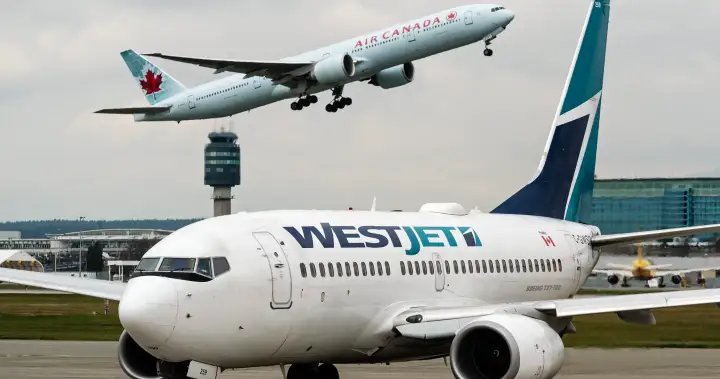
WestJet says it is cutting flight capacity as the war in Iran causes the price of aviation fuel to soar.

The Calgary-based airline said it has reduced capacity by about one per cent in April, three per cent in May and nearly six per cent in June. Travellers affected by the changes are being provided alternate flight options, it said.
“As fuel prices continue to rise, WestJet has adjusted some flying to align with demand and best manage associated fuel costs,” the airline said in a news release.
WestJet said it hasn’t eliminated any routes so far, but it is “evaluating its summer schedule” with an eye to possible cuts.

It said it is in regular communication with its fuel suppliers and continues to monitor the global jet fuel supply situation.
For now, the carrier has consolidated flights on some routes and shortened the travel period for seasonal service to several destinations.

Get weekly money news
Get expert insights, Q&A on markets, housing, inflation, and personal finance information delivered to you every Saturday.
Earlier this month, WestJet announced a temporary fuel surcharge of $60 on bookings made through WestJet Rewards companion vouchers.
WestJet did not say how long the temporary fuel surcharge will remain in place but told its customers it would be removed “once jet fuel prices return to normal levels.”
For Sunwing Vacations and Vacances WestJet Québec, it announced a fuel charge of $50 per person.

Air Canada announced last week it would suspend six routes, citing fuel costs that render them unprofitable.
The move included routes to New York City’s JFK airport from Toronto and Montreal between June 1 and Oct. 25.
Last week, Air Canada also announced higher baggage fees — to $45 from $35 for the first checked bag in its basic economy class on domestic, U.S. and sun destination flights.
Fuel often marks airlines’ highest cost. Air Canada spent more than $5.1 billion on it in 2024, amounting to 24 per cent of the carrier’s operating costs — its largest expense.

The U.S.-Israeli war on Iran launched in late February caused an effective shutdown of the Strait of Hormuz, prompting massive spikes in oil prices and even bigger jumps for jet fuel, which remains at double its pre-war price despite a shaky ceasefire.
About one-fifth of the world’s oil supply — 20 million barrels per day — travels through the waterway between Iran and the Arabian Peninsula on its way to the open seas and then to global customers.
Jet fuel, diesel and gasoline all derive from crude, making them sensitive to any swerve in its price.
In the month since the war began, energy and shipping experts have warned that an increase in energy costs would be passed on to consumers as major shortages were forecasted.
© 2026 The Canadian Press