dailynewsnblog
Credit:
Chuwi
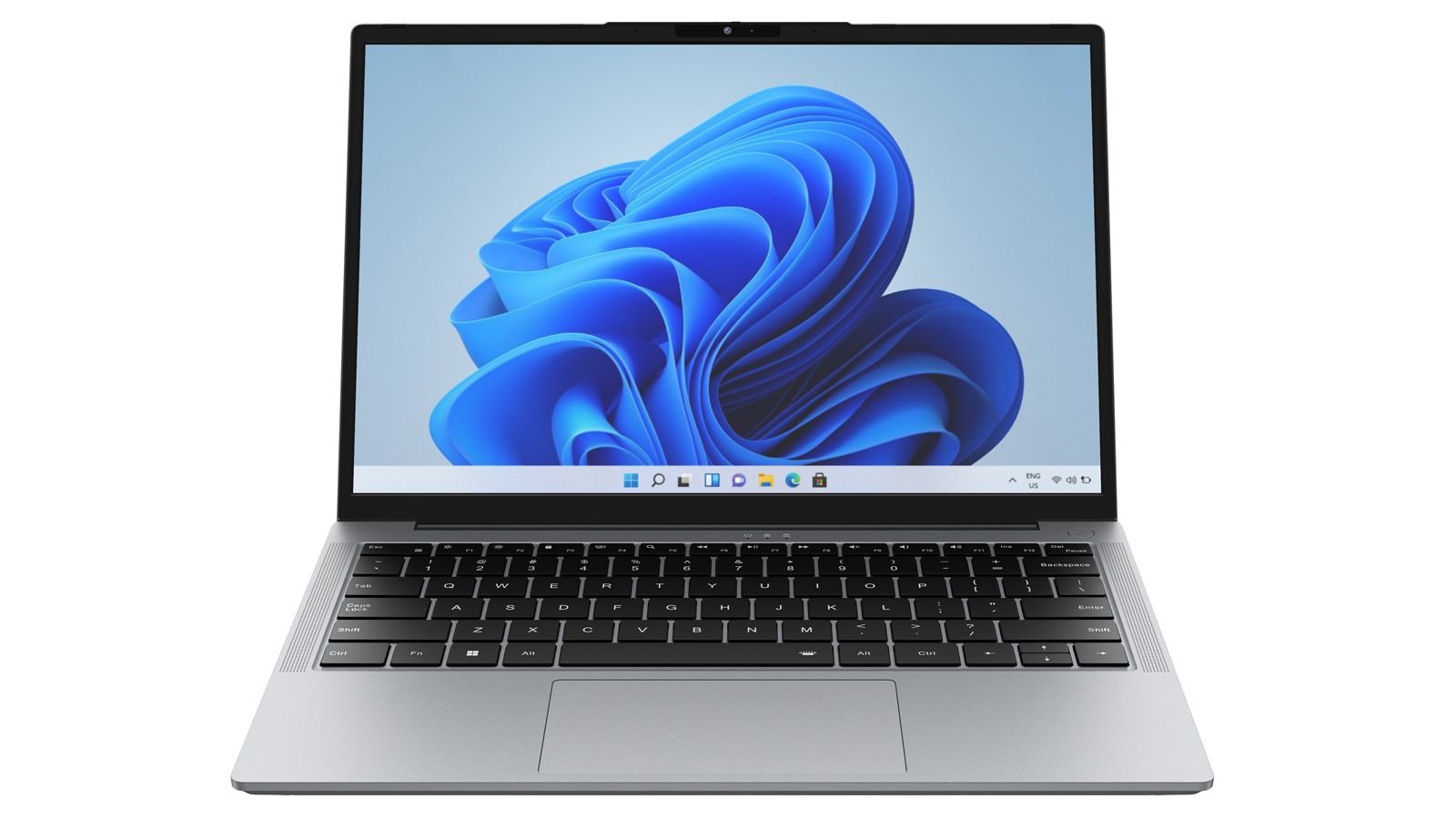
Chuwi’s $449 “Unibook,” a blessedly nondescript laptop that looks good on paper but may or may not work out in real life.
Credit:
Chuwi
Chinese electronics manufacturer Chuwi contacted Ars about one aggressively priced Wildcat Lake laptop, a device called the “UniBook” with a Core 3 304 processor, a 14-inch 1200p IPS display, a backlit keyboard, 8GB of RAM, 256GB of storage, and more ports than the MacBook Neo, for an advertised price of $449. The spec sheet tells us nothing about how this laptop will feel to use, how it will hold up over time, or its US availability (a handful of Chuwi devices are available through Amazon, and the company sells some through its online store). But something with roughly these specs at around this price is what we’d like to see in true purpose-built MacBook Neo competitors from the PC companies.
A little help from Intel?
Along with several of these Wildcat Lake systems, Intel’s Chinese arm recently announced something called “Project Firefly.” Firefly appears to be an Intel initiative to reduce costs and manufacturing complexity by providing PC makers with more reference designs. These wouldn’t take all the design decisions out of the manufacturers’ hands, but by standardizing on things like motherboard layout and thermal specifications they could potentially save companies money on development that could then be passed down to customers; the first laptop to take advantage of Project Firefly will be Lenovo’s Lecoo Air 14, but it’s unclear whether or when we’ll see these laptops in the US.
Intel has put its thumb on the scale of the PC industry before, occasionally offering savings or subsidies to companies that use its specs. Intel incentivized the development of MacBook Air-style thin-and-lights in the early 2010s with its Ultrabook program, and before that, it incentivized the adoption of Wi-Fi in consumer laptops with its Centrino branding.
One key difference here is that $500-and-below PC laptops have existed for decades; the issue is that these systems are usually saddled with undesirable compromises, or only dip into that price range when they’re on sale, or are just generally low-quality and unpleasant to use. And when these companies do make a good low-end or midrange laptop, it’s not a guarantee that that laptop’s successor will also be good in the same ways. Intel might be able to help with the pricing, but it remains to be seen if they can help with availability or consistency.