dailynewsnblog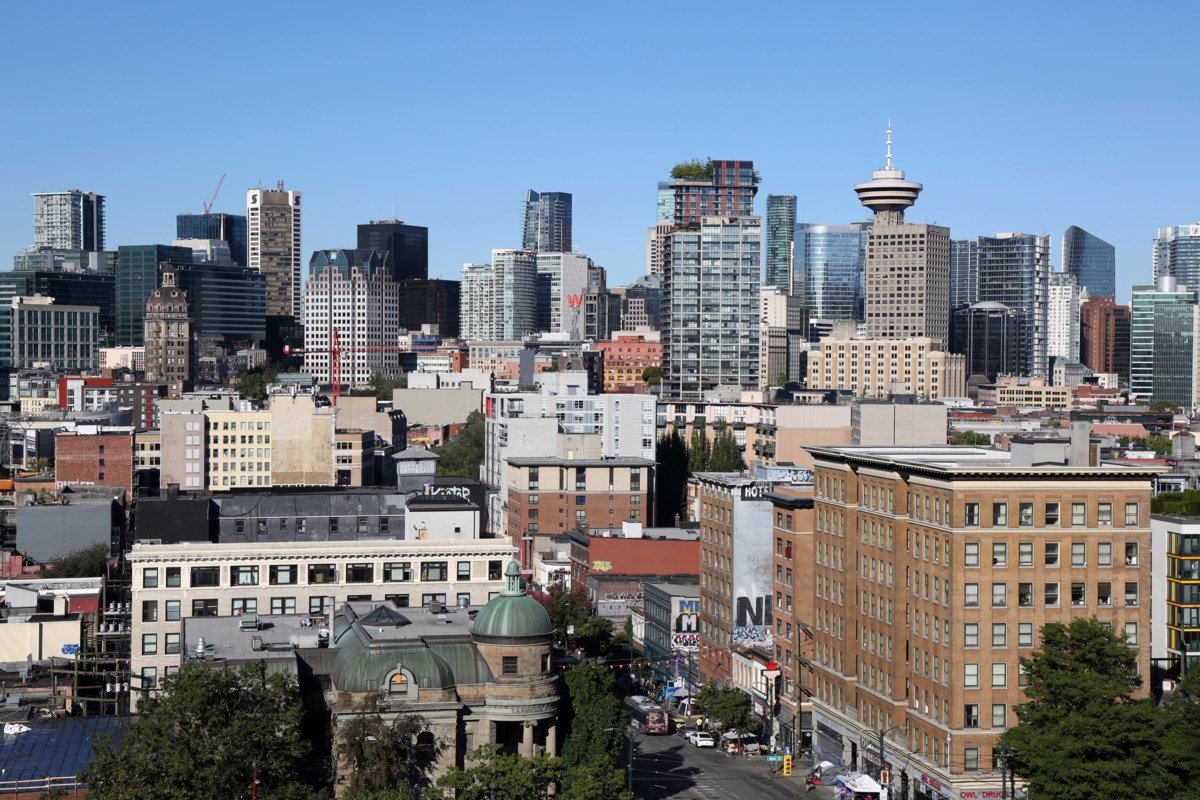
Seismic policy planner: ‘While current models show a one-in-five chance of a … strong earthquake in the next 50 years, we could have an earthquake at any moment.’
The City of Vancouver plans to follow the lead of earthquake-prone cities such as Seattle and develop an inventory of buildings and rate their seismic risk.
The move is part of a wide-ranging plan to reduce the number of buildings that would be damaged or collapse in an earthquake in Vancouver, which is located in the country’s most vulnerable area to likely experience a seismic event.
“Vancouver is at daily risk of a damaging, life-threatening earthquake,” said Micah Hilt, the city’s lead seismic policy planner, in a recent presentation to city council. “While current models show a one-in-five chance of a very strong earthquake in the next 50 years, we could have an earthquake at any moment.”
In 2024, Hilt co-authored a study that examined what a 7.2-magnitude earthquake could do to Vancouver. The findings were based on building types, not individual buildings—which would be the focus of an inventory.
“Risk awareness that drives risk reduction requires individual building-scale findings,” Hilt said. “To understand individual building risk, seismic screening is often used. This is where a building is observed on-site from the exterior by a design professional. A risk rating is then determined using those observations.”
Such information would then be used to inform policy and programs.
Hilt pointed out that Seattle’s public inventory of unreinforced masonry buildings has galvanized the community, with a “fix-the-bricks” campaign to push all levels of government to protect heritage buildings.
San Francisco and New Zealand, which have both experienced major earthquakes and ensuing damage, use inventories to support policy development and retrofit programs.
‘Voluntary upgrades’
Some of the recommendations Hilt put before council June 2 included:
- Establish a technical working group of interest holder and industry group representatives, community members and seismic engineering experts to guide staff in the development of actions into policies and programs.
- Develop a building seismic retrofit pilot program that can be used to demonstrate the viability and benefits of voluntary seismic upgrades while delivering direct risk reduction outcomes.
- Develop incentives to accelerate building upgrades by removing barriers and providing “meaningful financial tools” to increase voluntary upgrades. In San Francisco, regulatory relaxations that allowed for additional residential units in existing buildings aided the viability of mandated retrofits there.
- Partner with industry to identify opportunities to advance repairability and functional recovery within new building design.
- Identify and reduce the impacts of seismic risk and building upgrades on disproportionately impacted populations.
- Use at-risk building inventory findings and seismic risk assessment data to support and accelerate replacement and upgrades to single-room-occupancy buildings (SRO). Nearly all SROs were built 50 years prior to the introduction of seismic design into the Vancouver building bylaw, making them among the most critically at-risk buildings in in the city.
- Identify opportunities to reduce the impacts of seismic upgrades on renters and small businesses.
In public feedback collected in advance of the report, commercial and rental property owners expressed “significant concern” about publishing building-level risk information, citing potential impacts on leasing, branding, insurance, lending and the widening gap between higher and lower-grade buildings.
“Tenant and renter advocacy groups, by contrast, highlighted the importance of transparent risk information for renters and communities, while acknowledging the need for careful communication and safeguards,” the report said.
1,350 deaths
The report Hilt co-authored in 2024 with Dr. Tiegan E. Hobbs of Natural Resources Canada concluded that up to 1,350 people would die or suffer severe injuries and nearly 6,100 privately owned buildings would be heavily damaged.
An earthquake of that magnitude would result in the disruption and displacement of more than one-third of residents and workers for several months. The authors estimated direct financial losses at $17 billion.
The conclusions were based on Hilt and Hobbs using software that modelled a 7.2-magnitude earthquake centred in the Georgia Strait.
The authors learned that a set of five building types drive nearly 80 per cent of citywide risk in terms of severe injuries, fatalities and long-term disruption and displacement.
The highest concentration of risk was found in the West End, the Downtown Eastside (including Chinatown, Strathcona), downtown, Kitsilano, Fairview and Mount Pleasant.
“These six highest-risk neighbourhoods collectively contribute an average of 65 per cent of citywide seismic risk while containing the city and region’s two largest employment districts and over two-thirds of purpose-built market rental units in the city’s densest residential neighbourhoods,” the report said.
[email protected]
X/@Howellings
BIV’s free newsletters cover daily business, real estate, B.C. politics and more. Sign up here for B.C.’s most important business news delivered directly to your inbox.