dailynewsnblog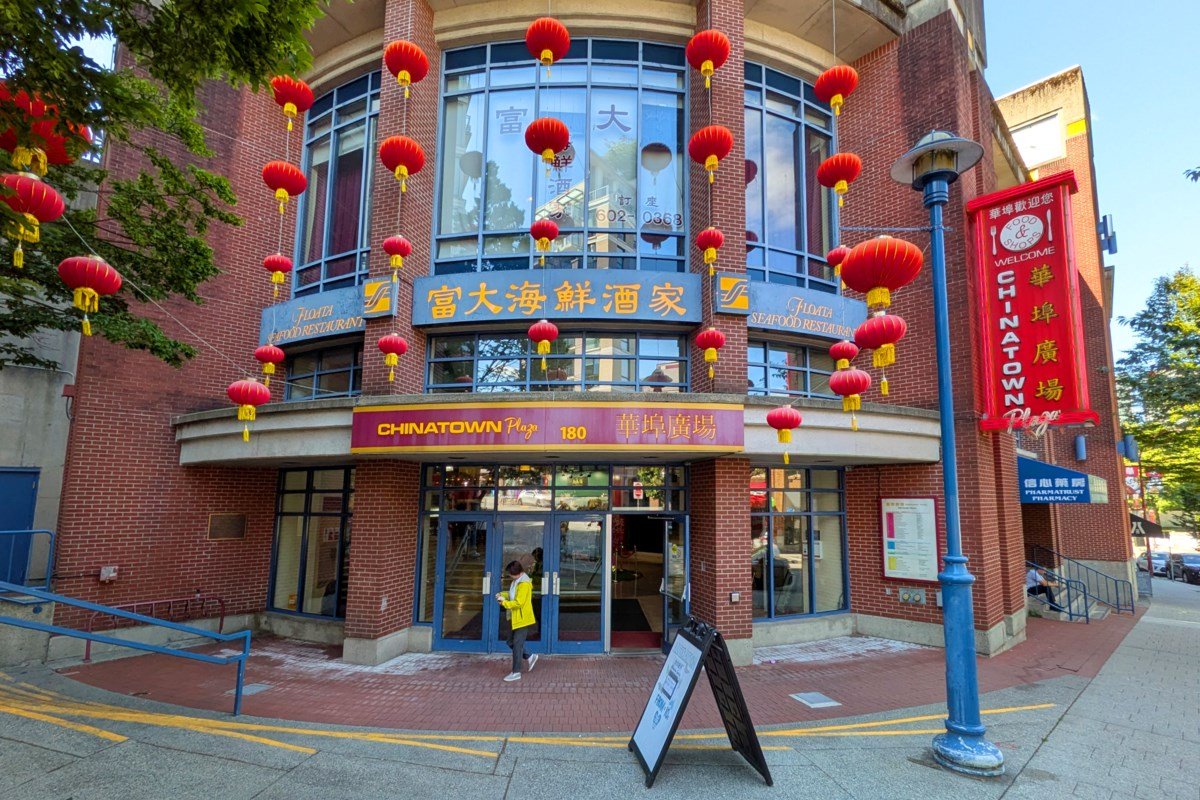
Popular Floata Seafood Restaurant operated at city-owned plaza for 30 years before closing October 2025
The City of Vancouver is seeking a restaurateur to operate a Chinese restaurant inside the Chinatown Plaza in hopes that it will act as a “catalyst” for renewed commercial activity in what used to be a thriving mall.
The popular Floata Seafood Restaurant, which was a mainstay of political parties from all levels of government to host fundraisers, closed its doors in October 2025. The Floata occupied an 18,000 square foot space on the third floor of the plaza on Keefer Street for 30 years.
The city has since posted a request for proposal (RFP) on its website seeking a new operator. A separate RFP is for a property management and merchandising services provider to boost activity in the plaza, where 13 of the 33 commercial units are vacant.
“Chinatown Plaza has experienced high vacancy rates and diminished foot traffic over the past two decades due to neighbourhood decline, competition from other Asian commercial areas, public safety challenges and an aging local community,” the RFP said.
“The situation deteriorated further during COVID in 2020 and has not recovered.”
In June 2021, Business in Vancouver took an in-depth look at the state of Chinatown, with business leaders, community members and city officials concluding the historic neighbourhood was facing challenging times.
At the time, Floata manager Brian Yu told BIV that business had dropped 50 per cent or more since May 2020. A total of 11 businesses had closed in the plaza since the World Health Organization declared the COVID-19 pandemic in March 2020.
“We have more staff than customers,” said Yu, sitting at one of the many empty tables on an afternoon where six people dined in the 800-seat dining hall.

‘Need for major renovations’
The city’s communications department said in an email this week that the Floata’s lease expired on Sept. 30, 2025. The lease was briefly extended on “an overhold basis but ended due to unresolved financial arrears, the need for major renovations and lack of response from the tenant when the city reached out to confirm willingness to meet tenant obligations under a new lease.”
The city said it also engaged with the tenant to explore lease renewal options but did not receive firm commitments. The tenant vacated the premises in October 2025.
The RFP said the closing of Floata presents “a rare opportunity” for the city to secure an operator capable of delivering high quality dining and banquet services, implement a merchandising strategy and provide integrated property management services to reposition and stimulate revitalization of the plaza and the local community.
“With appropriate investment and leadership, the restaurant premises can serve as a catalyst for renewed economic and community development in Chinatown,” the RFP said.
The city has owned the plaza since March 31, 2006.
The cost to lease a space in the plaza varies and depends on factors such as location—exterior or interior—square footage of the space and lease terms. The RFP says the vacant restaurant space would require a “minimum monthly gross rent of $70,000.”
The city also requests any interested restaurateur complete capital improvements to the restaurant space with a minimum investment of $2 million. The restaurant must serve high quality Chinese cuisine with full-service dim sum, lunch, dinner and offer large-format banquet services.
Night energy ‘really strong’
Jordan Eng, president of the Vancouver Chinatown Business Improvement Association, said he knows there are interested parties in opening a restaurant at the plaza, which also includes a seven-storey, 930-stall parkade.
“The closing date [June 23] is coming up pretty quick, so it should be interesting to see who makes it to the next stage in negotiating a deal,” Eng said. “The community wants to get it open as soon as possible. It’s already been more than six months [since Floata closed].”
Eng said despite the ongoing challenges in the community, Chinatown has seen more businesses open and people continue to dine and visit the area. He said city council’s “uplifting Chinatown action plan,” which includes cleaning, sanitation and graffiti removal has also helped.
Police on foot patrol has also increased.
“We’ve got top restaurants in the city, we’ve got Michelin star restaurants, we’ve got top bars,” he said. “The night energy is really strong. But there’s always more that can be done.”
BIV’s free newsletters cover daily business, real estate, B.C. politics and more. Sign up here for B.C.’s most important business news delivered directly to your inbox.
[email protected]
X/@Howellings