dailynewsnblog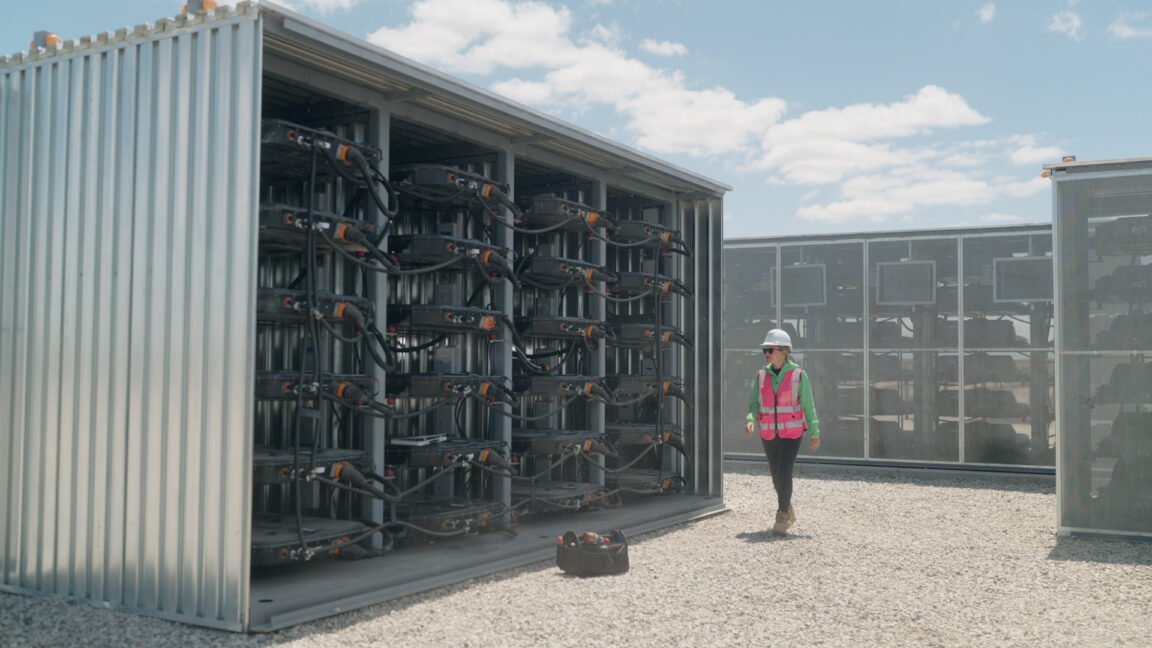
A 2025 analysis of over 22,700 electric vehicles across 21 models found that average battery capacity loss was about 2.3 percent per year, according to the telematics company Geotab. That translates to such batteries still having more than 81 percent of their original capacity after eight years.
Waymo’s current fleet of nearly 4,000 vehicles mainly consists of Jaguar I-Pace electric vehicles that have a 90 kWh lithium-ion battery. The company has also begun rolling out the Ojai robotaxi made by the Chinese automotive brand Zeekr with a 93 kWh battery.
“Put a little haircut on that in terms of degradation and the effective capacity that would be left in those batteries when they’re suitable for repurposing, and we’re still talking about pretty significant capacity per battery,” Hall said.
The growing Waymo robotaxi fleet could lead to “pretty large numbers in terms of megawatt hours of capacity that can be deployed pretty quickly” for stationary energy storage supporting power grids, he suggested.
The agreement gives Waymo discretion over when and how many used batteries will be turned over to B2U. But the companies confirmed that B2U has “already started receiving smaller initial quantities of batteries” from the Waymo fleet. Over time, the agreement could give B2U “hundreds of megawatt-hours” of additional storage capacity from Waymo’s thousands of electric vehicles, Lenz said.
Local grid synergy
The B2U grid storage solution could do more than simply extend the usefulness of lithium-ion batteries from Waymo’s fleet by several years. The new partnership is intended to support B2U projects in regions where Waymo’s autonomous robotaxis operate—meaning the used Waymo batteries could bolster the local power grids that Waymo vehicles rely upon for charging.
“What we think is really cool and unique about this opportunity is that these are the batteries that are helping serve our riders in these communities, and then they’re actually going to BTU to then be deployed in local grids that are near communities that we serve as well,” Lenz told Ars. “So there’s a nice circularity here for our commitment to clean technology and supporting renewable energy on the grids.”