dailynewsnblog
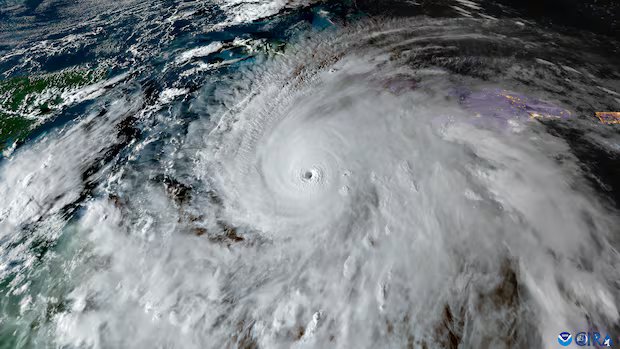
The US will see a below-normal hurricane season in 2026, federal government scientists said on Thursday, predicting eight to 14 named storms with winds at 39mph or more.
The season has a “55% chance of being below normal, 35% chance of near normal and a 10% chance of above normal,” said Neil Jacobs, National Oceanic and Atmospheric Administration (Noaa) administrator, at a press conference.
Of the eight to 14 named storms, one to three hurricanes are expected to become category 3 to 5, with winds at 111mph or more. Three to six storms will also develop into category 1 hurricanes, with winds at 74mph or more, the forecasters expect.
Forecasters this year are contending with a confounding mix of climatic factors, including warm ocean temperatures, which can fuel more intense storms, and a developing El Niño, which can suppress development in the Atlantic Ocean but churn up more powerful storms in the Pacific.
“There’s a 98% chance of El Niño conditions occurring later this season, and an 80% chance that this El Niño will be moderate to strong,” said Jacobs.
In the central and eastern Pacific Ocean, he said, forecasters predict a 70% chance of above normal activity, with 15 to 22 named storms, nine to 14 hurricanes, five to nine major hurricanes in the eastern Pacific and five to 13 tropical cyclones in the central Pacific.
The forecast came amid warnings from experts that the US was unprepared for hurricane season. The Trump administration has overseen staffing cuts which have forced the National Weather Service (NWS) to scale back satellites and balloon launches – key parts of the country’s data collection system.
Cuts have also left staff at the Noaa and the NWS “spread too thin”, John Morales, a meteorologist, said. This has degraded the country’s ability to forecast climate-fuelled extreme weather, he said.
“As a result, we head into the 2026 Atlantic and eastern Pacific hurricane seasons with a diminished lack of confidence in accurately forecasting tropical threats,” said Morales.
Noaa’s flagship weather model, the American Global Forecast System, has shown a decline in skill, pushing it back to 2019 levels of confidence, he added. “Whether that’s the result of missing balloon weather releases, or the loss of seasoned atmospheric-modelling scientists is yet unknown,” he said.
Trump officials have also presided over big cuts to emergency management services and are considering further shrinkage, which experts warn could further erode US capacity to handle hurricanes.
Predictions from private forecasting companies and scholars have indicated the US could see an average or slightly below-average level of hurricane activity. Colorado State University predicts about three-quarters of the typical storm activity in a season, with projected 13 named storms, six developing into hurricanes and three of those strengthening into category 3 or stronger storms. Meanwhile, Accuweather expects a near-or-below average season, with 11 to 16 named storms, up to seven of which could develop into hurricanes.
Research shows that as the climate crisis persists, the US could see more intense swings in hurricane activity, from quiet seasons to above-average ones, from year to year.
A “below-average” hurricane season could still pose serious dangers to Americans, said Ken Graham, director of the NWS.
“Don’t let those words change the way you prepare,” he said. “Preparedness really is absolutely everything.”