(Bloomberg) — The US and Iran remained far apart on a deal to end weeks of war and reopen the Strait of Hormuz, as a drone attack sparked a fire at a United Arab Emirates nuclear plant, underscoring the fragility of the ceasefire.
Most Read from Bloomberg
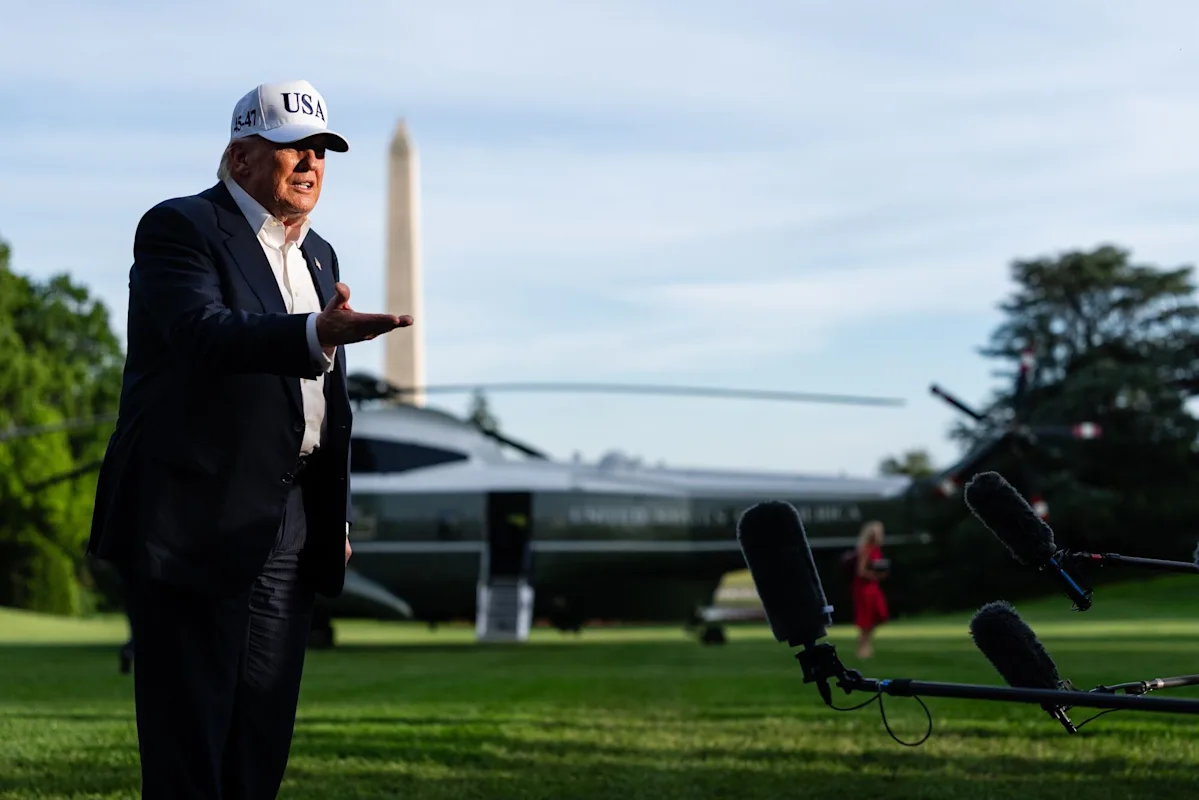
President Donald Trump signaled his patience is wearing thin, posting on social media Sunday that “For Iran, the Clock is Ticking, and they better get moving, FAST, or there won’t be anything left of them. TIME IS OF THE ESSENCE!”
Iran’s semi-official Fars news agency said the US had set five main conditions for a peace deal, including transferring uranium tied to Iran’s nuclear program to the US, providing no reparations to Tehran and unfreezing less than a quarter of Iran’s frozen assets. Fars cited no source, and the US hasn’t publicly commented on the reported terms.
Meanwhile, the semi-official Mehr news agency said Washington offered “no tangible concessions” while seeking demands it failed to secure during the war, a stance the agency said was leading to an impasse in negotiations.
Trump met Saturday with Vice President JD Vance, White House envoy Steve Witkoff, Secretary of State Marco Rubio and CIA Director John Ratcliffe to discuss the war, Axios reported. He is expected to meet again with his national security team on Tuesday.
“We want to make a deal,” Trump told Axios, adding he’s waiting for an updated Iranian proposal. “They are not where we want them to be. They will have to get there or they will be hit badly, and they don’t want that.”
Since the ceasefire began on April 8, Trump has repeatedly threatened to resume the bombing campaign that began on Feb. 28.
Weighing on the sentiment, Asian shares fell in early trading Monday and Brent crude rose 1.2% to around $110.60 a barrel, after adding almost 8% last week. Brent has jumped about 50% since the start of the war.
Drone Attack
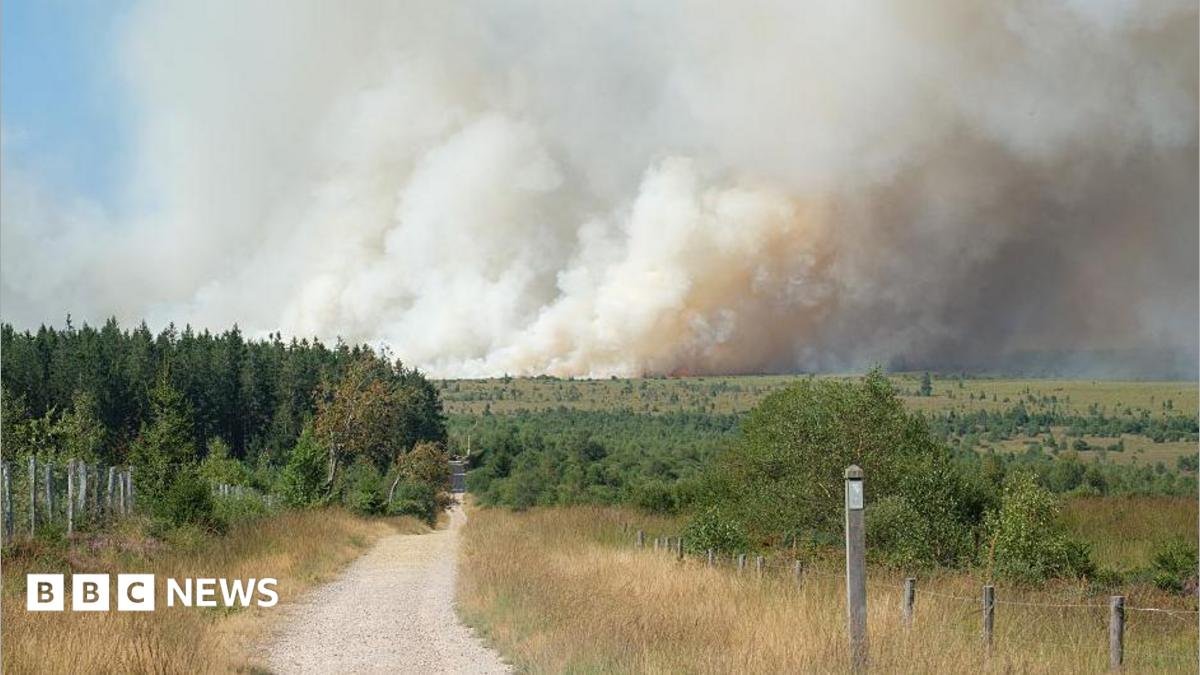
Sunday’s drone attack in the UAE sparked a fire in an electrical generator outside the inner perimeter of the Barakah power plant but had no impact on radiological safety, Abu Dhabi’s media office said. Authorities were working to extinguish the blaze, and no injuries were reported.
The drone that hit the power plant was one of three launched from west of the emirate, the UAE defense ministry said in a social media post, adding that the other two were intercepted. The UAE said it was investigating the source of the attack. Saudi Arabia, which borders the UAE to the west, condemned it.
Iranian threats to shipping in the Persian Gulf have brought the region’s energy exports to a near standstill, sending prices soaring and giving Tehran leverage in talks with the US.
The US-Israeli war on Iran has claimed thousands of lives, mainly in the Islamic Republic. Retaliatory attacks by Tehran targeted US allies across the Gulf, including the UAE, which has carried out intermittent strikes on Iran in response, Bloomberg has reported.
In Jerusalem, Israeli Prime Minister Benjamin Netanyahu told his cabinet he would speak with Trump later Sunday following the US president’s visit to China. Security Cabinet member Zev Elkin said Israel was prepared to resume strikes on Iran if Trump chose to do so.
“We have targets that we want to hit, of course,” Elkin told Kan radio. “The current situation, with the US blockade continuing, would also be good for Israel, because it’s wreaking major damage upon the Iranian economy on a daily basis.”
Iranian President Masoud Pezeshkian has said his country is committed to a diplomatic resolution to the conflict. Several energy shipments have managed to clear the Strait of Hormuz in recent weeks, and an Iranian official said authorities were drafting rules to allow passage for some vessels
The US and China, the world’s two largest economies, sought to emphasize points of agreement on the Middle East conflict when Trump met last week with China’s Xi Jinping, an ally of Iran.
On his way back from Asia, Trump told reporters he had discussed with the Chinese leader potentially lifting sanctions on Chinese oil companies that buy Iranian crude. The Treasury Department has escalated the penalties in recent weeks as the US tries to pressure Tehran on talks, while Beijing has ordered its companies to ignore the sanctions.
Trump said in an interview with Fox News that three Chinese tankers carrying Iranian oil through Hormuz during the week of his visit to Beijing did so because the US allowed it. Iranian state TV had previously said more than 30 ships were allowed passage through the strait since Wednesday night, citing an official from the Islamic Revolutionary Guard Corps’ navy.
Here’s more related to the war:
Russian President Vladimir Putin is due to visit China on Tuesday and Wednesday, where he is expected to discuss the Iran war with Xi.
Pakistan’s Interior Minister Mohsin Naqvi arrived in Tehran on Saturday and met his Iranian counterpart. The two discussed bilateral relations and the prospects for resuming US-Iran peace negotiations, for which Pakistan has been the main mediator, the semi-official Tasnim news agency reported.
Israel’s economy slumped in the first quarter of the year when the fallout of the war with Iran imposed security-related shutdowns on businesses for more than a month.
Iranian Parliament Speaker Mohammad Bagher Ghalibaf was named Iran’s special envoy for China affairs, according to Fars.
–With assistance from Dan Williams, Kevin Whitelaw, Anand Krishnamoorthy, Michael Gunn and Michael Heath.
(Updates with market moves in paragraph eight and Putin visit to China.)
Most Read from Bloomberg Businessweek
©2026 Bloomberg L.P.


 dailynewsnblog