dailynewsnblog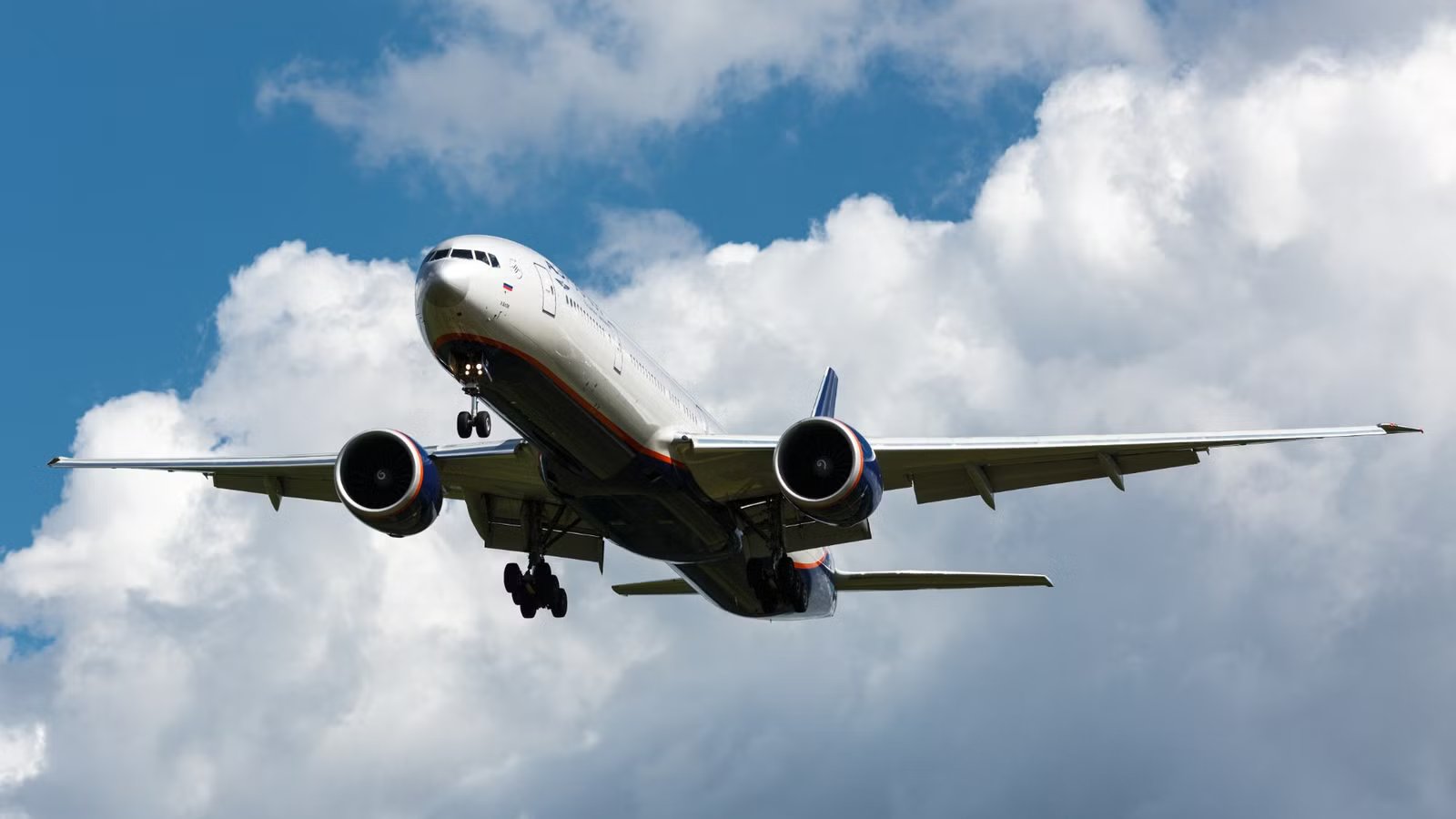
On August 27, a former  Aeroflot employee living in Florida was convicted on all counts after prosecutors said he helped illegally export US aircraft parts to Russia and the Russian flag carrier. The case relates to restrictions the US imposed on exports to Russia after the country’s further invasion of Ukraine in early 2022, including a temporary denial order preventing Aeroflot from receiving US-origin goods.
According to the US Department of Justice, the man and an alleged co-conspirator misled suppliers about where the aircraft parts were ultimately being sent. The US had previously arrested multiple people accused of exporting civilian aircraft parts and components to Russia in circumvention of US export laws.
Former Aeroflot Employee Convicted On 12 Counts

The former Aeroflot employee, Alexander Mamonov, 62, was convicted of 12 counts linked to the illegal export of nearly $1 million worth of US aircraft parts. The charges included conspiracy to violate the Export Control Reform Act (ECRA), illegal export of items subject to ECRA, conspiracy to commit smuggling, smuggling of goods, submitting false or misleading export information, and conspiracy to commit money laundering.
Mamonov was formally charged in April 2025, along with Russian national Ignat Vakorin, who is still wanted by US authorities. US Attorney Jason A. Reding Quiñones for the Southern District of Florida said,
“[The defendant] used false destinations and financial transactions to conceal what he was doing…We will continue to aggressively pursue those who use our district, our financial system, or American businesses to undermine US national security.”
US Sanctions On Russian Airlines Have Grown Since 2022

According to court documents and testimony cited by the US Department of Justice, Mamonov and Vakorin misled US suppliers about where the aircraft parts were going. They told suppliers the parts would be sent to destinations including the United Arab Emirates and China, but they were ultimately sent to Russia and Aeroflot. This was against US export restrictions introduced after Russia’s full-scale invasion of Ukraine in February 2022.
At the time, the Bureau of Industry and Security (BIS) imposed a license requirement on the export, reexport, or transfer of aircraft and aircraft parts to Russia, including items classified under ECCN 9A991 (which covers civil aircraft, certain gas-turbine engines, and specific aircraft parts and components not controlled elsewhere). The export controls also restricted companies from providing certain refueling, maintenance, repair, spare parts, and related services for aircraft covered by the rules without the required authorization.
This made it harder for Russian airlines to obtain the parts and support needed to operate aircraft covered by the restrictions. The US then took further action against Russian airlines. In April 2022, BIS issued Temporary Denial Orders against Aeroflot, UTair, and Azur Air, suspending their export privileges and preventing them from carrying out transactions involving items covered by the Export Administration Regulations (EAR).
This effectively cut off access to US-origin aircraft parts, software, technology, and related services that they needed to operate and maintain their fleets. Reuters reported that the US had identified more than 170 Boeing aircraft being operated by Russian airlines in violation of the restrictions, including around 40 Aeroflot Boeing 737 and 777 aircraft, 21 Boeing aircraft operated by Azur Air, and 17 operated by UTair.
US Authorities Have Pursued Similar Parts Schemes

Indeed, the sanctions have left Russian airlines facing growing difficulties when their aircraft require parts or maintenance, pushing some to look for illegal ways to keep their fleets operating. Smuggling parts through third countries has become one way of getting around the restrictions and maintaining access to components.
Mamonov’s case was not the first time US authorities had prosecuted people over such efforts. In February 2025, the US Department of Justice announced charges against three current and former employees of Flighttime Enterprises, an Ohio-based company and US subsidiary of a Russian aircraft parts supplier. They were accused of exporting more than $2 million worth of commercial aircraft parts and components to Russia while concealing their final destination and circumventing US export laws.