dailynewsnblog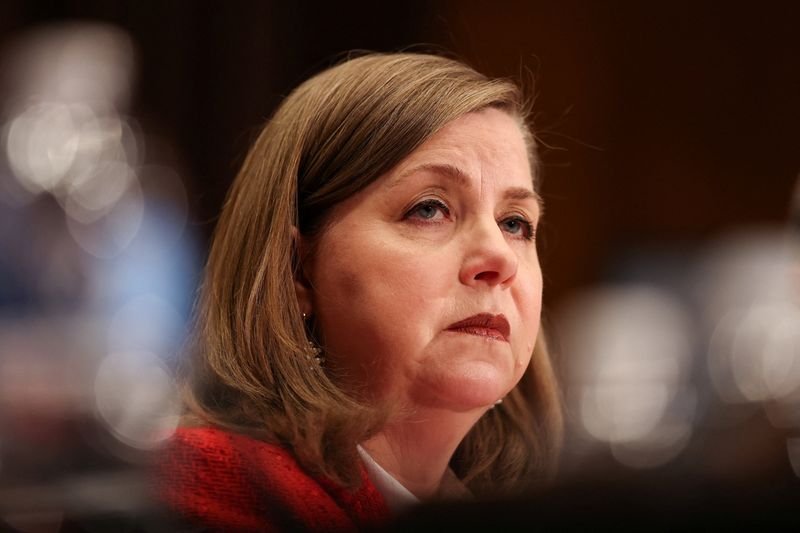
By Pete Schroeder
WASHINGTON, June 4 (Reuters) – The nation’s top bank regulators plan to tell Congress on Thursday that their efforts to trim bank rules and oversight will bolster economic activity and innovation without injecting undue risk into the financial system.
The regulatory chiefs of the Federal Reserve, Federal Deposit Insurance Corporation and Office of the Comptroller of the Currency are set to testify before the House Financial Services Committee, where they will update lawmakers on a comprehensive effort to reconsider and soften numerous bank rules put in place following the 2008 financial crisis.
“By tailoring requirements to actual risk, focusing supervision on what truly matters, and integrating innovation into the regulatory framework, the Federal Reserve is creating conditions for banks to thrive while maintaining the robust safeguards,” said Fed Vice Chair for Supervision Michelle Bowman in prepared remarks posted Wednesday.
Bowman and her fellow regulators have been busy re-examining tougher standards put in place in recent years, arguing that overly punitive oversight has hindered banks’ ability to support the economy. For example, Bowman said the Fed has found that examiners have reported numerous bank deficiencies that were procedural or documentation gaps, not actual financial risk.
“For over a year, we have been reforming supervision to focus on material financial risks rather than on process-oriented, check-the-box requirements,” said FDIC Chairman Travis Hill in his prepared remarks.
At the same time, regulators plan to tell lawmakers they want to encourage innovation in the financial sector, both by banks through utilization of blockchain technologies and artificial intelligence, as well as nonbanks.
“Our job is to facilitate, not stymie, responsible innovation,” said Comptroller Jonathan Gould in prepared testimony.
However, they also warned new technologies pose risks to banks. Bowman noted that new AI models have “dramatically accelerated” the identification of vulnerabilities in the banking system.
(Reporting by Pete Schroeder; Editing by Cynthia Osterman)