dailynewsnblog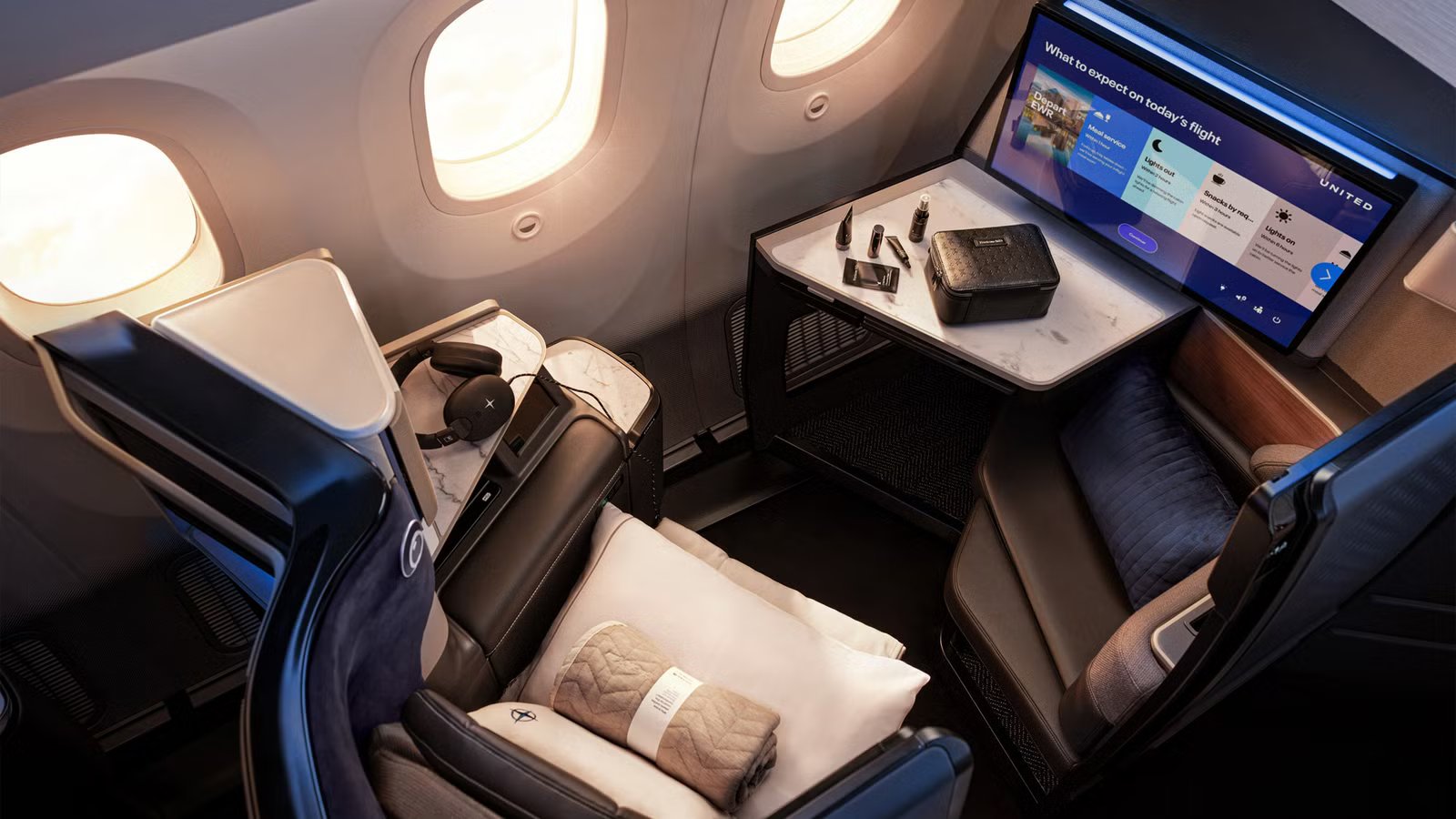
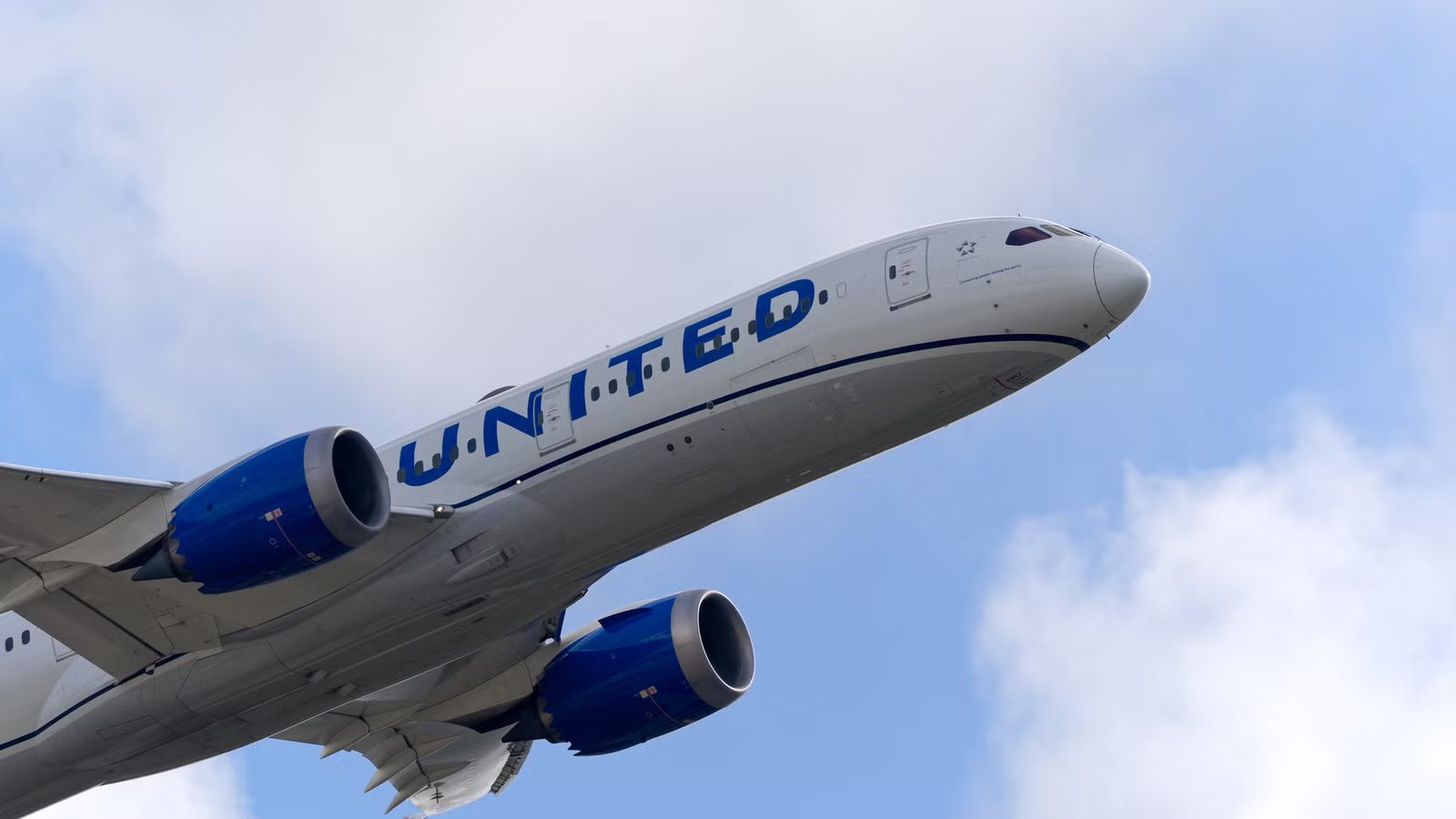
Walking through the boarding door of a modern widebody aircraft, passengers have grown accustomed to the familiar weight and hum of an aging inflight entertainment infrastructure.  United Airlines‘ new Boeing 787-9 aircraft look a lot different, marking the first time a widebody cabin has moved the media server into the cloud. This guide explores the transition from traditional, hardware-heavy entertainment systems to a connected, omnichannel experience that treats every seatback screen as the core part of the inflight experience.
The inflight entertainment (IFE) experience has been limited by the constraints of the aircraft; movies, games, and flight maps were stored on monolithic, heavy servers located deep within the electronic equipment bay. Updating this content was never straightforward, making it a slow and costly process that often left passengers with outdated media libraries. Now integrating Starlink’s high-speed, low-latency satellite connectivity, United is throwing out the entertainment stack from the airframe, changing how digital content is delivered, managed, and consumed while in the sky.
Making The Sky More Connected

Rather than relying on massive, highlylocalized servers that serve as the sole source of data, United’s new Polaris Studio suites on the 787-9 connect directly tosatellite networks that store everything the entertainment experience offers. It is really the first time an airline cabin has become a connected digital environment to this extent, with the aircraft functioning as a node in a larger cloud network rather than an isolated island of data.
One of the most obvious benefits is the significant improvement in speed, but it is also important to note that this is a fundamental change in how airlines manage their software and content delivery. With Panasonic’s Astrova platform, United can now stream, validate, and update studio-approved content directly from the cloud, without the need for manual data uploads during ground maintenance cycles. The seatback display can pull user profiles, show live app data, and display personalized entertainment options dynamically, which allows for a level of customization that older, static-content systems could never achieve.
Seatback hardware found on other airlines, including centralized server racks, cabling, and localized media storage, can add several hundred pounds to an aircraft’s total weight. Eliminating or drastically downscaling this infrastructure in favor of modular, cloud-connected components means United can reduce overall weight, which directly translates to lower fuel burn and reduced maintenance complexity for its widebody fleet.
Continuing Where You Left Off

Getting a cloud-native inflight entertainment environment off the ground takes a lot of planning and investment, mainly in the form of high-speed connectivity and flexible open-architecture software. United Airlines achieved this integration by pairing the Panasonic Astrova seatback platform with SpaceX’s low-latency Starlink satellite network. Bringing the two together allows the aircraft to maintain a continuous data pipeline with ground-based cloud repositories throughout all phases of flight.
Traditional widebody entertainment relies on slow data-loading cycles performed by technicians on the tarmac, whereas this modern setup functions exactly like an ecosystem of smart television apps. Travelers can authenticate their personal streaming profiles, such as Spotify accounts, directly on the seatback screen to resume their favorite media tracks exactly where they paused them on the ground. The system synchronizes user preferences dynamically over the satellite pipe, creating an omnichannel environment where the line between ground and air digital life disappears completely.
Streaming high-definition video to hundreds of passengers simultaneously over a satellite connection would naturally overwhelm standard bandwidth limits, so the platform relies heavily on edge-caching technology. The underlying system, developed in partnership with digital specialists like Axinom and Anuvu, stores high-demand media files in local solid-state storage buffers before departure. The low-latency satellite link is then utilized to manage live software validation, real-time media authorization, and instant application updates, keeping the user interface incredibly responsive.
Spotify Just Signed A Major Inflight Content Deal With This US Airline
This is the first time Spotify has offered audiobooks and video podcasts onboard an airline.
The Showroom For The Showpiece

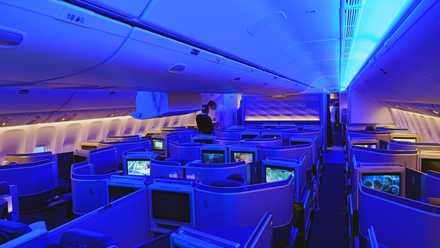
The Polaris Studio suites are where this technology is being showcased to the world, and these seats offer far more than just fancy screens. Debuting on the carrier’s elevated 787-9 aircraft, these premium positions are strategically located in the front row of each business class section to maximize available cabin space. United has worked well with the bulkhead’s unique spatial dimensions, creating a premium sub-cabin experience that makes the gap between standard business class and traditional international first class much narrower.
Every Polaris Studio suite provides 25% more space than a standard business pod, giving travelers ample room to stretch out or conduct business in complete privacy. The focal point of the suite is a massive 27-inch (68.6 cm) 4K OLED touchscreen, which is the largest entertainment display offered by any domestic carrier. This cinema-grade monitor is supported by high-fidelity three-dimensional spatial audio, wireless Bluetooth pairing, and up to 100 watts of direct-current USB-C power to charge large electronics throughout the journey.
This premium configuration targets the growing demographic of affluent leisure passengers willing to pay a premium for exceptional comfort and superior soft products. Passengers booking these front-row suites receive exclusive perks, including caviar service paired with high-end champagne and a tailored dining menu. The layout also includes an integrated companion ottoman equipped with an independent seatbelt, allowing two travelers to dine or converse face-to-face in their private suite at cruise altitude.
Built For The Long Journey

Connecting the seatback directly to cloud infrastructure has a multitude of operational benefits for United. With its ambitious route network, operating some of the longest flights in the world, the ability to remove heavy central computer cores, massive power supply units, and miles of heavy copper cables running through the floorboards is a massive help. It directly lowers fuel burn across long-haul networks, which has been particularly important in recent times with spikes in jet fuel prices.
The new system also completely transforms the sluggish logistics of in-flight media management. Moving to an app-driven cloud model allows United to deploy security fixes, interface updates, and fresh media catalogs across its global fleet simultaneously within minutes, maximizing commercial agility.
The hardware design importantly solves a persistent maintenance headache by reducing long-term troubleshooting expenses by up to 60%. The Panasonic Astrova system utilizes a highly modular configuration, meaning individual components like broken screen bezels, Bluetooth modules, or power bars can be swapped independently right at the gate. This modularity prevents airlines from having to replace entire seatback shells or ground an aircraft over a broken headphone jack, extending the overall lifecycle of the interior.

25% Larger: United Airlines Launches New Polaris Studios On Boeing 787s
Boeing should deliver the first 787-9s with the new interiors to United Airlines in 2025, with a planned service entry date of sometime in 2026.
Not Off To The Best Start

A cloud-native entertainment system looks flawless on a marketing brochure, but integrating a brand-new interior footprint with advanced digital architecture frequently uncovers severe hardware and airframe integration bugs. When a flagship aircraft repeatedly fails to maintain schedule reliability, the financial and reputational stakes for both the airline and the airframe manufacturer escalate rapidly.
This exact scenario unfolded in June 2026, when United was forced to pull its very first elevated 787-9, registered as N61101, from commercial service entirely due to persistent technical issues . The aircraft had been plagued by a string of mechanical and systems disruptions since its commercial debut, leading to multiple instances in which high-yield flights out of Singapore and London Heathrow were canceled. The issues proved serious enough that the airline had to operate four empty ferry flights back to San Francisco before finally sending the widebody to the  Boeing maintenance facility at Moses Lake, Washington, for a comprehensive, non-minor system teardown.
Adding to these operational hurdles, the carrier also encountered unexpected regulatory friction with the Federal Aviation Administration regarding the safety mechanics of the new cabin. During the initial launch of the Polaris Studio suites, federal regulators had not yet completed the rigorous safety certification process governing emergency egress for the sliding privacy doors. As a result, United had to fly its initial international rotations with every single suite door mechanically locked in the open position, demonstrating that even the most luxurious cabin upgrades remain entirely at the mercy of strict 90-second emergency evacuation mandates.
Details Need Ironing Out

The complex rollout of the cloud-connected cabin also highlights a widening technical rift between legacy entertainment hardware suppliers and the rapid emergence of low Earth orbit satellite networks. While United aggressively markets its future fleet-wide transition to Starlink, a massive portion of its active long-haul widebody fleet remains structurally tied to older satellite systems supplied by Panasonic Avionics. It naturally creates a highly fragmented passenger experience, directly exposing the technical limitations of older satellite networks when compared with modern, cloud-native expectations.
The infrastructure gap has become a major operational headache on dense transpacific routes, sparking widespread speculation within the aviation industry about a long-term separation between the airline and its traditional hardware vendor. Internal operational memos reveal that the older Panasonic satellite network regularly hits total bandwidth saturation during peak flying hours over the remote Pacific Ocean, causing internet speeds to drop to zero. Passengers paying premium fares have increasingly voiced intense criticism over these recurring multi-hour outages, creating a sharp contrast against the seamless smart-television experience promised by the cloud-native transition.
Building a truly synchronized digital environment is proving to be not the simplest of tasks. The current integration struggles prove that the transition to an app-driven, serverless cabin is a multi-year saga of regulatory approvals, hardware manufacturing delays, and orbital network capacity constraints. Until these complex supply chains and satellite pipelines achieve total alignment, the global aviation industry will continue to experience a bumpy flight path toward the cloud-wrapped skies of 2030.