dailynewsnblog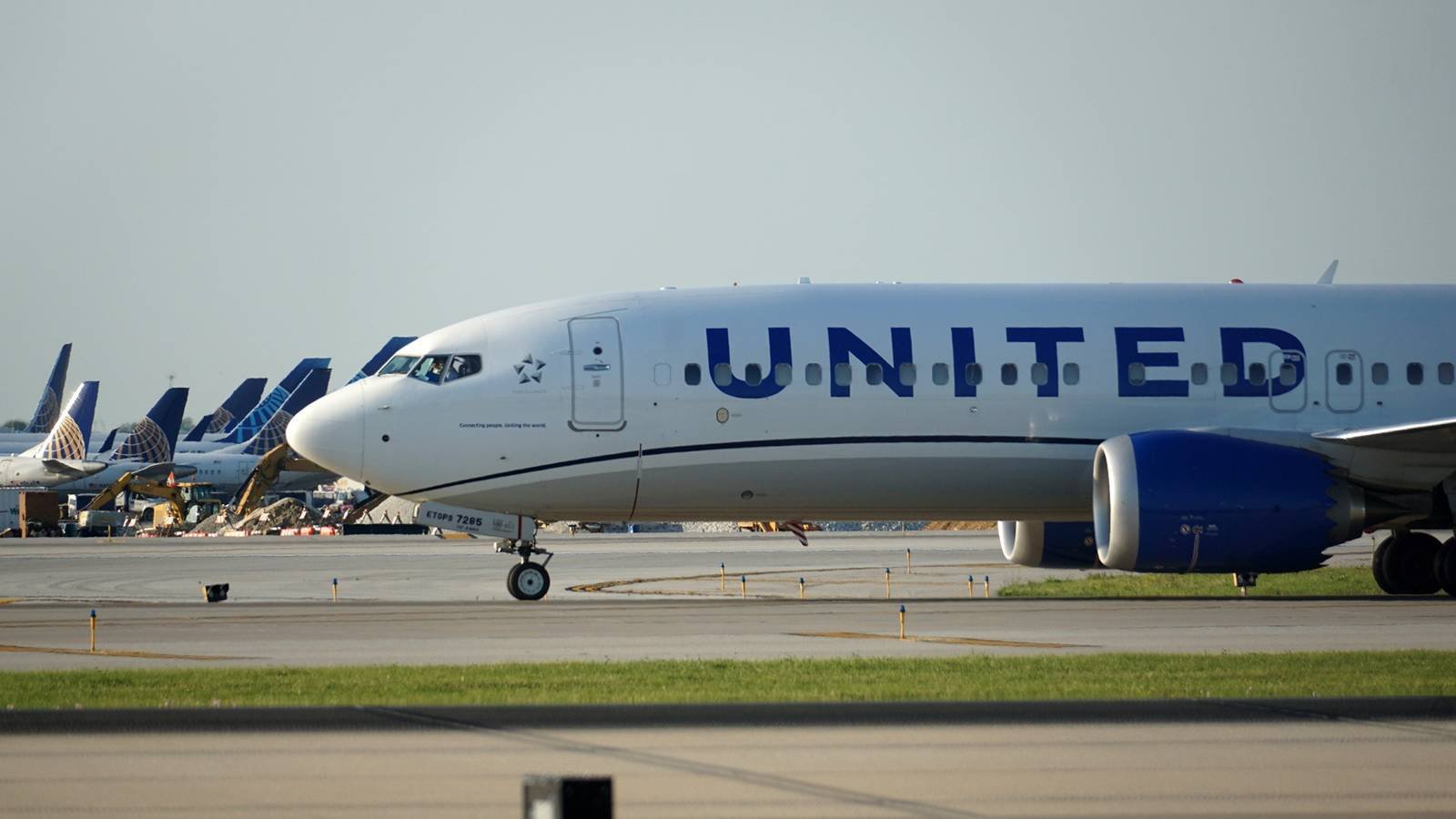
 United Airlines has shaved thousands of flights to and from
  Chicago O’Hare International Airport (ORD) this summer, in response to the Federal Aviation Administration’s introduced rule that will cut the number of flights from the windy city. This is in a bid to help airlines improve punctuality. These cuts add to other recent cuts already reported.
Recently, both United and  American Airlines have invested heavily in Chicago with growth in their current networks. In the latest data from Cirium, an online aviation analytics company, a total of 18,190 two-way flights have been cut from the United network between June and August.
18,190 Two-Way Flights Cut From United’s Chicago Network

Currently, all of these flight cuts are domestic, and those that will see the biggest difference are 11 cities that will see no United services from O’Hare between June and August. The majority of these services are regional, served by United Express.
Between all at ORD, in June and July, more than 7,000 two-way flights have been suspended, while August will see close to 4,000 two-way flights. Current data shows American Airlines has cut just three round-trip flights (at the time of writing). Total figures for all airlines below:
|
Month |
Number of Two-Way Flights |
|---|---|
|
June 2026 |
7,387 |
|
July |
7,112 |
|
August |
3,916 |
|
TOTAL |
18,415 |
United is axing services to Kalamazoo, Billings, Bloomington–Normal, Champaign–Urbana, Wausau / Mosinee, Erie, Lansing, La Crosse, Marquette, Rochester, and Bristol / Kingsport / Johnson City.

These cuts, in addition to service reductions in the next portion of this article, represent around 100 fewer daily departures from the United hub, a reduction from the airline’s original 780 daily service, which will now fly approximately 650 services a day across its global network. Specifically, the airline has preserved departures between peak times of 7:00 AM and 8:00 PM, as quoted by CBS News.
|
Airport IATA Code |
Airport Name |
City Served |
|---|---|---|
|
AZO |
Kalamazoo/Battle Creek International Airport |
Kalamazoo, Michigan |
|
BIL |
Billings Logan International Airport |
Billings, Montana |
|
BMI |
Central Illinois Regional Airport |
Bloomington–Normal, Illinois |
|
CMI |
Willard Airport |
Champaign–Urbana, Illinois |
|
CWA |
Central Wisconsin Airport |
Wausau / Mosinee, Wisconsin |
|
ERI |
Erie International Airport |
Erie, Pennsylvania |
|
LAN |
Capital Region International Airport |
Lansing, Michigan |
|
LSE |
La Crosse Regional Airport |
La Crosse, Wisconsin |
|
MQT |
Marquette Sawyer Regional Airport |
Marquette, Michigan |
|
RST |
Rochester International Airport |
Rochester, Minnesota |
|
TRI |
Tri-Cities Airport |
Bristol / Kingsport / Johnson City, Tennessee–Virginia |
Atleast 30% Service Reduction to These United Routes

While 11 cities will see a cut to United services from Chicago in full, another 20 routes will see a reduction of atleast 30% in capacity and services as the airline peels back its summer operations at O’Hare. These include Albuquerque, Scranton / Wilkes-Barre, Birmingham, Burlington, Duluth, Des Moines, Panama City Beach, Flint, Spokane, Green Bay, Grand Rapids, Greensboro, Huntsville, Lexington, Saginaw / Bay City / Midland, Madison, West Palm Beach, Pensacola, Providence, and Portland (ME).
Omar Idris, the vice president of United Airlines at O’Hare, noted that while the carrier will offer a reduced schedule compared to what was first forecast, this still represents an increase of 11% compared to last summer at the busy Illinois airport. The airline has also confirmed that these changes should not see any reduction in staffing, both on the ground and in the air.

The Federal Aviation Administration has restricted operations at O’Hare to a total of 2,708 flights per day between June 2 and October 24, versus the 3,080 scheduled flights that were expected to operate across the Northern Hemisphere summer season. These flight reductions were first forecast to begin from May 18, hwoever the FAA has pushed this out to June to allow airlines to adjust their operations accordingly. The cities facing more than 30% cuts are below:
|
Airport IATA Code |
Airport Name |
City Served |
|---|---|---|
|
ABQ |
Albuquerque International Sunport |
Albuquerque, New Mexico |
|
AVP |
Wilkes-Barre/Scranton International Airport |
Wilkes-Barre / Scranton, Pennsylvania |
|
BHM |
Birmingham–Shuttlesworth International Airport |
Birmingham, Alabama |
|
BTV |
Burlington International Airport |
Burlington, Vermont |
|
DLH |
Duluth International Airport |
Duluth, Minnesota |
|
DSM |
Des Moines International Airport |
Des Moines, Iowa |
|
ECP |
Northwest Florida Beaches International Airport |
Panama City Beach, Florida |
|
FNT |
Bishop International Airport |
Flint, Michigan |
|
GEG |
Spokane International Airport |
Spokane, Washington |
|
GRB |
Green Bay–Austin Straubel International Airport |
Green Bay, Wisconsin |
|
GRR |
Gerald R. Ford International Airport |
Grand Rapids, Michigan |
|
GSO |
Piedmont Triad International Airport |
Greensboro / Winston-Salem / High Point, North Carolina |
|
HSV |
Huntsville International Airport |
Huntsville, Alabama |
|
LEX |
Blue Grass Airport |
Lexington, Kentucky |
|
MBS |
MBS International Airport |
Saginaw / Midland / Bay City, Michigan |
|
MSN |
Dane County Regional Airport |
Madison, Wisconsin |
|
PBI |
Palm Beach International Airport |
West Palm Beach, Florida |
|
PNS |
Pensacola International Airport |
Pensacola, Florida |
|
PVD |
T. F. Green Airport |
Providence, Rhode Island |
|
PWM |
Portland International Jetport |
Portland, Maine |

FAA Set To Cap Summer Flights At Chicago O’Hare To Reduce Delays, Cuts 300 Flights
Chicago’s O’Hare International Airport is set to see a significant reduction in summer flights, with over 300 flights cut.
Looking To Improve On-Time Performance

Due to these capacity caps, this is expected to improve O’Hare’s on-time performance, which last year saw fewer than 60% of all arrival snad departues operate on time. FAA Administrator Bryan Bedford explains:
“We appreciate the airlines working together with us to reach a responsible level of operations that strengthens safety and delivers a more reliable travel experience for the American public.”
These caps are expected to streamline operations and ensure a more enjoyable and reliable schedule for travelers through one of the United States busiest airports.