dailynewsnblog
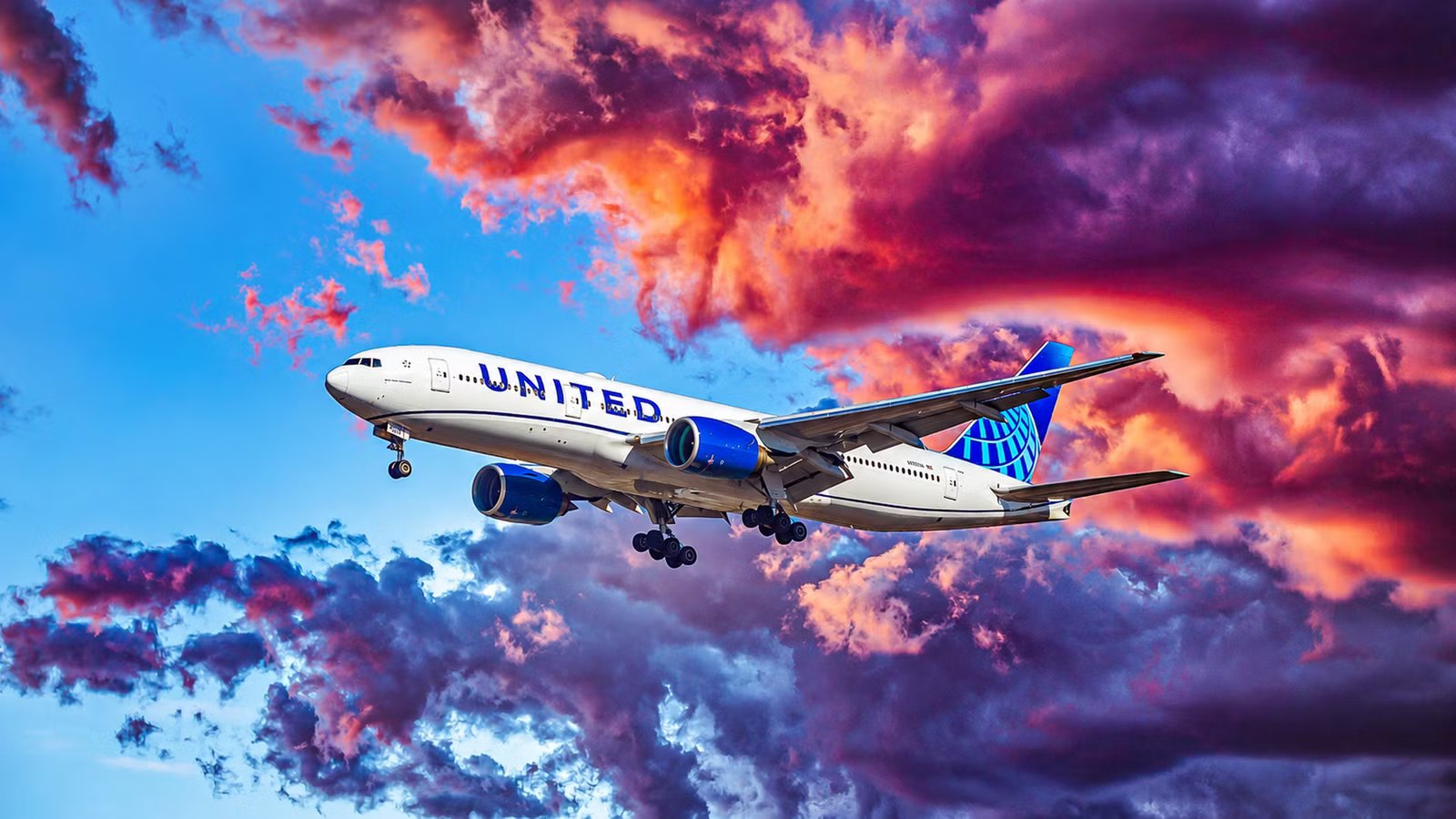
Four flight attendants were injured aboard a  United Airlines flight from Daniel K. Inouye International Airport (HNL) to
 Los Angeles International Airport (LAX) on Wednesday, after the Boeing 777-200 encountered severe turbulence during its descent. The Los Angeles Times reported that UA1157 descended more than 3,000 feet (914 meters) in about one minute, though this altitude change does not necessarily indicate an uncontrolled drop caused by turbulence. One flight attendant was hospitalized, while none of the 190 passengers were reported injured.
The incident follows several other significant turbulence encounters involving US airlines, including previous events on flights to and from Hawaii. Research also suggests that turbulence is becoming more prevalent in certain regions, potentially increasing the risk of injuries to passengers and crew. Flight attendants are particularly vulnerable, accounting for 85% of serious turbulence injuries aboard US commercial airlines between 2019 and 2024, according to FAA statistics.
What Happened Aboard United Flight 1157?

UA1157 departed HNL at approximately 1:00 PM local time, operating the 2,539-mile (4,086 km) service to LAX. The airframe involved is a 31-year-old 777-200 registered N769UA, according to Flightradar24. There were190 passengers and 10 crew members onboard when it encountered turbulence during descent, reportedly at around 27,000 feet. Flight-tracking information indicated an altitude reduction of approximately 3,675 feet over one minute. However, it should be noted that the aircraft was already descending, making it impossible to attribute the entire altitude change to turbulence without further investigation.
Passengers described a frightening experience, with sudden shaking, a falling sensation, and screams throughout the cabin. Marly Wadlington told ABC 7 that the turbulence was “sudden” and alarming.
“I was watching a movie, and all of a sudden we just dropped. And it felt like we dropped pretty far. It started shaking, everyone was yelling. We were all super scared.”
Other travelers also reported considerable alarm, saying they saw one flight attendant with blood on her head. Four flight attendants ultimately required medical attention, including one transported to the hospital. According to PEOPLE, United said its injured employees had been evaluated by medical personnel, while no passengers were reported hurt.
The precise cause remains unconfirmed. According to air traffic control recordings, one of the pilots suggested the aircraft may have encountered wake turbulence generated by another aircraft passing through the air. The Federal Aviation Administration (FAA) has confirmed that it will investigate the incident, but the event highlights the risks faced by cabin crew, who frequently remain standing while passengers are seated.
Are Flights To Hawaii Becoming More Turbulent?

This latest incident follows several severe turbulence encounters involving Hawaii services (see table below). In December 2022, Hawaiian Airlines flight 35, operating from Phoenix to Honolulu, encountered severe turbulence near Maui, injuring 24 people, including four seriously. The NTSB linked the event to convective weather. Another Hawaiian flight, traveling from Honolulu to Sydney in June 2023, encountered turbulence that required multiple passengers to receive medical treatment, highlighting the risks of long-distance Pacific flights.
Date | Flight | Route | Aircraft | Injuries / outcome |
|---|---|---|---|---|
October 21, 2026 | UA1157 | Honolulu – Los Angeles | Boeing 777-200 | 4 flight attendants injured; 1 hospitalized |
June 18, 2024 | UA1273 | San Francisco – Kahului | Boeing 777-200 | 3 injured, oxygen masks deployed |
June 29, 2023 | HA451 | Honolulu – Sydney | Airbus A330 | 7 received medical attention; 4 reportedly hospitalized |
December 18, 2022 | HA35 | Phoenix – Honolulu | Airbus A330-200 | 24 injured, including 4 seriously |
Research suggests turbulence is increasing in some regions. According to SFGATE, estimates suggest up to a 30% increase in moderate-or-greater turbulence affecting the Hawaii and West Coast region. This built on an earlier study by the University of Reading, which found that severe clear-air turbulence increased by 55% over the four decades up to 2020. Scientists link these changes to stronger wind shear driven by global warming.
Why Flight Attendants Are Most Vulnerable To Severe Turbulence

Flight attendants are disproportionately affected by turbulence injuries. FAA statistics show 71 crew members and 13 passengers sustained serious turbulence-related injuries aboard US commercial airlines between 2019 and 2024, meaning crew accounted for approximately 85% of cases. A 2026 study examining 136 turbulence-related accidents found flight attendants were injured in 126 cases or 92% of the time, highlighting the importance of cabin safety procedures.
Year | Passengers | Crew | Total |
|---|---|---|---|
2019 | 2 | 11 | 13 |
2020 | 5 | 5 | |
2021 | 1 | 5 | 6 |
2022 | 4 | 13 | 17 |
2023 | 3 | 17 | 20 |
2024 | 3 | 20 | 23 |
Total | 13 | 71 | 84 |
Unlike passengers, flight attendants regularly move through the cabin, secure equipment and assist travelers, leaving them vulnerable when turbulence strikes. As an example, another United 777-200 encountered turbulence during descent into  Newark Liberty International Airport (EWR) in February 2024, seriously injuring three flight attendants who were making final preparations for landing. The NTSB found that pilots and cabin crew were not informed of an earlier turbulence report, reinforcing the importance of effective weather communication.
Airlines are reducing risk through improved forecasting, real-time turbulence reports, and procedures that let crew secure themselves earlier. But while modern cabin safety practices offer protection, passengers should still keep their seatbelts fastened while seated.