dailynewsnblog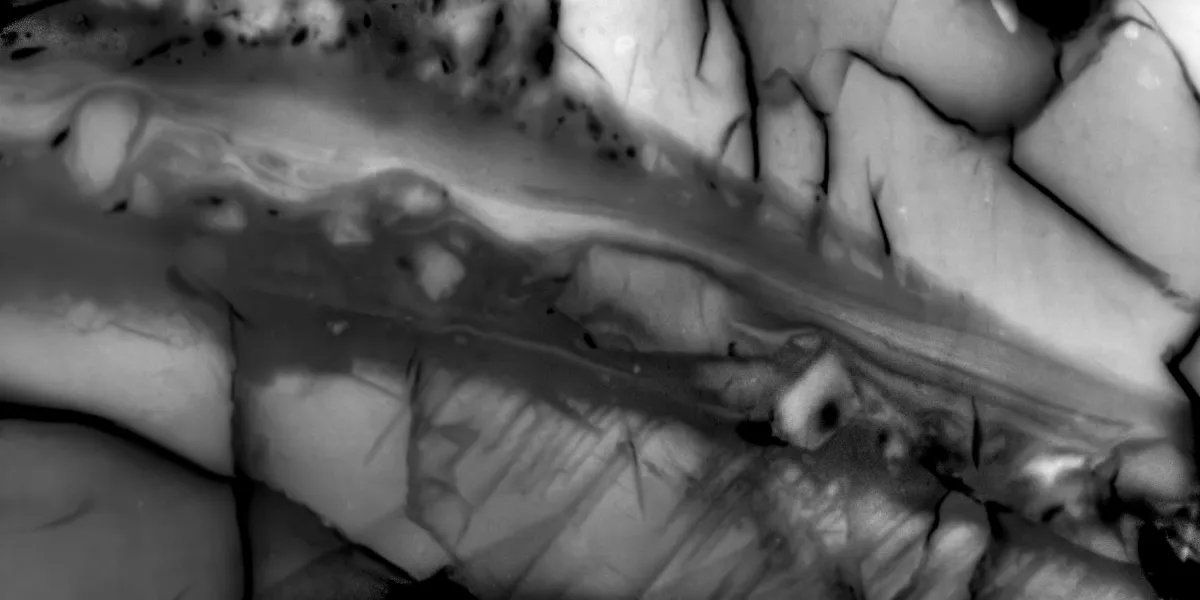
Earthquakes are driven by energy stored up in rocks over millennia—energy that, once released, we perceive mainly in the form of the ground’s shaking. But a quake also generates a flash of heat and fractures and damages underground rocks. And exactly how much energy goes into each of these three processes is exceedingly difficult to measure in the field.
Now, with the help of carefully controlled miniature “lab quakes,” MIT geophysicist Matěj Peč and colleagues have quantified this so-called energy budget. Only about 1% to 10% of a lab quake’s energy causes physical shaking, they found, while 1% to 30% goes into breaking up rock and creating new surfaces. The vast majority heats up the area around a quake’s epicenter, producing a temperature spike that can actually melt surrounding material.
The team also found that the fractions of quake energy producing heat, shaking, and rock fracturing can shift depending on the tectonic activity the region has experienced in the past. “The deformation history—essentially what the rock remembers—really influences how destructive an earthquake could be,” says postdoc Daniel Ortega-Arroyo, PhD ’25, lead author of a paper on the work. “That history affects a lot of the material properties in the rock, and it dictates to some degree how it is going to slip.”
The lab quakes—which involve subjecting specially prepared samples of powdered granite and magnetic particles to steadily increasing pressure in a custom-built apparatus—are a simplified analogue of what occurs during a natural earthquake. Down the road, if scientists have an idea of how much shaking a quake generated in the past, they might be able to estimate the degree to which the quake’s energy also affected rocks deep underground by melting or breaking them apart. This in turn could reveal how much more or less vulnerable that region is to future quakes.